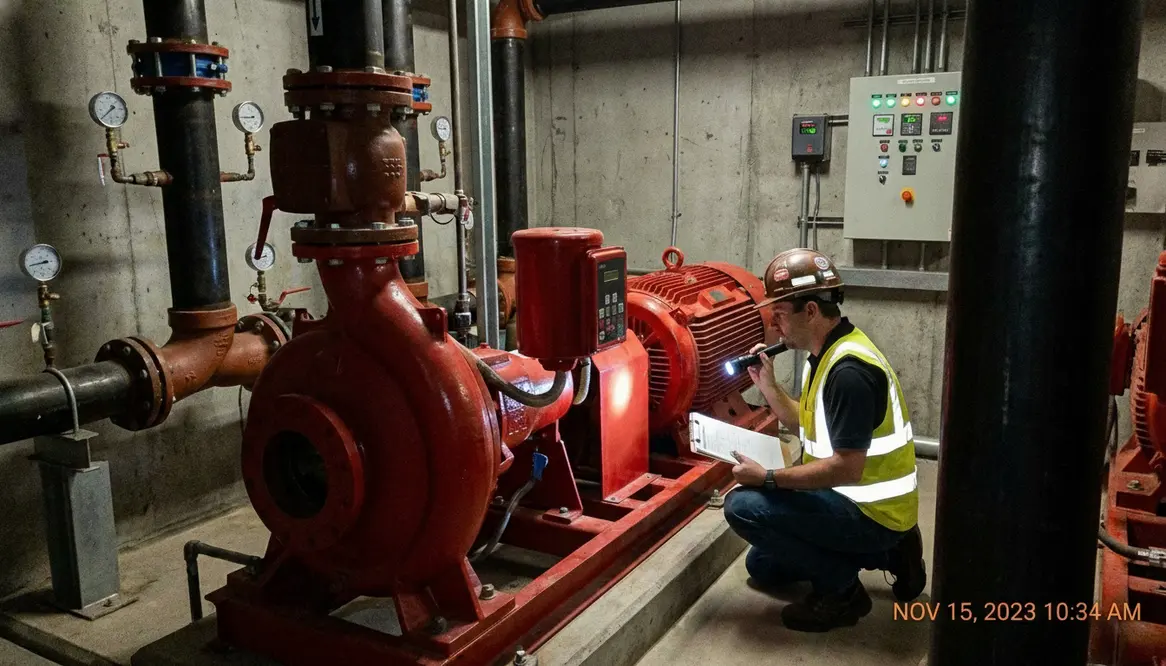
DIN Fire Pump Compliance for Commercial Buildings
DIN Fire Pump Compliance for Commercial Buildings is one of those topics that sits quietly in the background until the day it matters most. Then, suddenly, it matters a lot. I have seen how the right DIN commercial setup can turn a stressful fire safety review into a smooth pass, while a weak setup can create delays, penalties, and a whole lot of eyebrow raising from inspectors. In this article, I will walk through what compliance means, why it matters for commercial and industrial facilities, and how I approach it without turning the whole process into a fire safety soap opera.
What DIN commercial fire pump compliance means
When I talk about DIN commercial fire pump compliance, I mean making sure the pump system matches the right standard, performs as required, and supports fire protection systems in major buildings. In simple terms, the pump must deliver water at the right pressure and flow when the building needs it most. That sounds basic, but the details are where many teams trip up.
First, I check whether the pump package fits the building type, hazard level, and water demand. Then I look at the installation, controls, testing access, and power supply. After that, I verify that the system supports the full fire protection design. In short, compliance is not just about owning a pump. It is about proving that the pump will do its job under pressure. Literally. No drama, no hero music, just reliable water delivery.
Why commercial and industrial facilities need it
Commercial and industrial buildings face higher fire risk, more complex layouts, and heavier insurance and code pressure. So, I treat DIN fire pump compliance as a core safety issue, not a box to tick before lunch. A warehouse, plant, office tower, or mixed use property can have long pipe runs, high water demand, and critical assets that cannot afford downtime.
Because of that, compliance helps with life safety, asset protection, and business continuity. Also, it gives owners and facility teams a cleaner path during inspections and audits. When systems are right, people sleep better. And yes, I know that sounds like a line from a calm nature documentary, but it is true. A proper fire pump system helps reduce risk in a way that affects both people and operations.
How I check a DIN commercial fire pump system
I like to break the review into clear steps. That keeps the process sharp and avoids the “we thought someone else handled that” problem that shows up right before an inspection.
My main compliance checks
1. Pump capacity must match the fire protection demand for the building.
2. Power source must stay reliable, whether the system uses electric, diesel, or another approved setup.
3. Controls and alarms must signal faults fast, so teams can act before a small issue turns into a big one.
4. Installation layout must allow safe access for testing, service, and inspection.
5. Water supply must remain dependable under peak demand.
6. Maintenance records must show testing, service, and repairs with clear dates and notes.
Next, I confirm that the pump room and related equipment stay protected from damage, heat, and access problems. Then I review documentation, because paperwork may not be glamorous, but it has saved more projects than a heroic montage ever will.
Common issues I see during inspections
In many commercial buildings, the same problems show up again and again. First, the pump does not match the current building use. A facility may expand, change storage patterns, or add load, yet the fire pump system never gets updated. Second, testing gets skipped or done poorly. Third, staff lose track of service records, which makes audits harder than they need to be.
Another common issue is poor coordination between the fire pump and the wider sprinkler or standpipe system. If one part of the system works against the other, the whole setup suffers. I also see access problems. If a technician has to play “find the valve” like a very boring treasure hunt, the site needs work. Good compliance should support fast response, not create obstacles.
How I keep DIN commercial systems audit ready
I keep the process simple, steady, and documented. That usually works better than panic, which, as we all know, is a terrible project manager.
Daily and weekly
Check visible leaks, control status, power alerts, and room conditions.
Monthly and quarterly
Run tests, review logs, confirm alarms, and inspect key components.
In addition, I recommend keeping a clear maintenance calendar, assigning responsibility to named staff, and using outside experts for deeper checks when needed. For commercial and industrial properties, this matters even more because a missed issue can spread across multiple systems and floors. I also suggest reviewing the system after any building change, since new storage, equipment, or tenant use can affect the fire load. For helpful guidance on fire pump standards and system expectations, I often point readers to https://firepumps.org/ as a useful starting place.
FAQ
Keep your DIN commercial fire pump ready
I always tell owners and facility teams that fire pump compliance works best when they treat it as an ongoing habit, not a one time project. If you manage a commercial or industrial building, now is the time to review your system, tighten your records, and correct weak points before an inspector finds them first. If you want a stronger path forward, I can help you assess your DIN commercial setup, identify gaps, and move your fire protection plan from “hopefully fine” to confidently compliant.