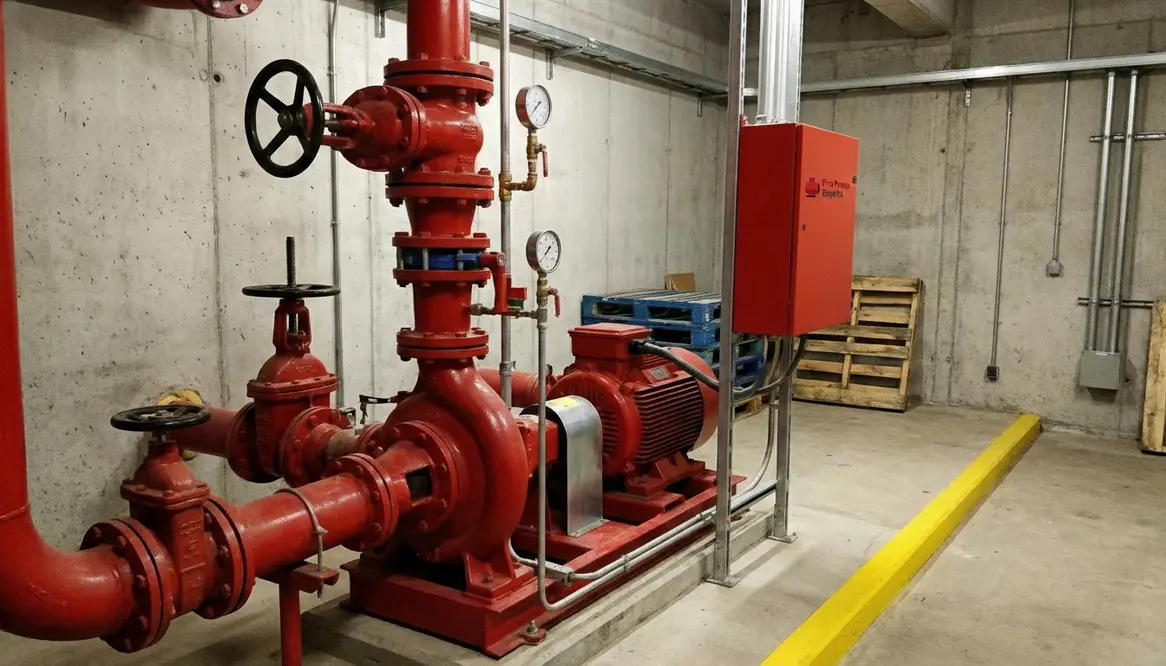
DIN Industrial Fire Pump Requirements Guide
DIN Fire Pump Requirements for Industrial Sites
When I look at fire safety in a commercial or industrial site, I do not see a box to check. I see a system that has to work when the heat is real, the pressure is high, and the clock has no patience. That is where DIN industrial fire pump requirements matter. They help me choose a setup that can support large properties, busy plant areas, and critical buildings without drama. And yes, fire protection should be calm, even if the situation is not. Think of it like the Batman of building safety: quiet, reliable, and ready when the lights go out.
In this guide, I will walk through the main DIN based fire pump rules for industrial sites, what they mean in plain language, and how I check them in real projects. If you manage a factory, warehouse, multi use commercial building, or a major property, this is the stuff that keeps the system from turning into an expensive paperweight.
What DIN fire pump standards mean for industrial sites
DIN fire pump standards set the baseline for design, performance, and installation. I use them to make sure the pump can deliver the right water flow and pressure under real fire conditions. That matters because industrial sites often have wide floor plans, long pipe runs, and higher risk zones. A weak pump may look fine on paper, but on site it can fail faster than a movie sequel nobody asked for.
The core idea is simple. I need a fire pump system that supports the sprinkler network and any other fire water demand without losing pressure. In practice, that means I look at the building size, hazard level, water supply, and required duration. DIN industrial systems also expect reliable controls, proper testing access, and clear maintenance plans. So, the pump is not just a machine. It is part of a full protection chain.
Key requirements I check first in a DIN industrial fire pump setup
Before I approve a design, I check the basics that drive the whole system.
Flow and pressure
The pump must meet the site demand at the needed pressure. If the flow drops, the system loses fight power fast.
Water source
I confirm that the tank, reservoir, or supply line can feed the pump long enough for the required fire event.
Backup power
For many industrial sites, I need a dependable power source so the system keeps running during an outage. Fires do not wait for the utility company to wake up.
Control panel and alarms
I verify that the pump starts as needed and sends clear signals if something goes wrong.
Room layout
I check access, ventilation, drainage, and service space. A tight pump room makes maintenance harder, and nobody wants to play hide and seek with a critical safety unit.
These checks help me avoid weak points before they become costly failures. Also, they make the system easier to test and maintain, which saves time later.
How I match DIN industrial fire pumps to site risk
Industrial sites are not all built the same. Some carry light storage loads. Others handle chemicals, heavy machines, or high value stock. So, I start by matching the pump design to the actual risk level.
If the site has a large sprinkler network, I look at total water demand and pressure loss across the pipe system. If the property has taller structures, I also factor in lift and elevation. Meanwhile, if the building has special fire hazards, I may need added capacity or a more robust setup.
Quick comparison: what I verify and why it matters
What I verify
Water flow
Pressure level
Power backup
Testing access
Why it matters
It keeps sprinkler heads supplied during a fire
It helps water reach the farthest points
It supports operation during outages
It makes inspections and service easier
This kind of comparison keeps the process clear. Moreover, it helps building owners see that pump selection is not guesswork. It is a technical match between demand and performance.
Installation and testing rules that protect performance
Even a strong pump can fail if the installation is sloppy. So, I pay close attention to pipe alignment, valve placement, suction conditions, and wiring. I also check that the pump sits in a clean, dry, accessible area. A good installation should let the system breathe and run without strain.
Testing matters just as much. I expect regular start tests, flow checks, and inspection of alarms and controls. These tests show whether the pump can still deliver under pressure. In addition, I want records that prove the system has been maintained over time. No one wants to discover a problem during a fire drill or, worse, during the real thing. That would be the fire safety version of opening the fridge and finding no milk when you already poured the cereal.
For owners who need more guidance, I also recommend reviewing a trusted source such as commercial fire pump systems for industrial facilities. That kind of resource helps connect technical standards with real world site needs.
DIN industrial fire pump maintenance that keeps systems ready
I treat maintenance as part of the design, not as an afterthought. A fire pump sits idle most of the time, which sounds peaceful, but it also means hidden issues can build up quietly. That is why I look for a clear maintenance schedule with checks for seals, bearings, valves, controls, and power supply.
I also want the site team to know who handles alarms, how often the unit gets tested, and what signs point to trouble. Strange noise, low pressure, leaks, and delayed starts should never get ignored. Small issues often turn into bigger repairs, and industrial sites rarely enjoy surprise expenses. In business, surprises should come in the form of cake, not pump failure.
FAQ
Conclusion
If I want a fire pump system that truly supports an industrial site, I start with DIN industrial requirements and build from there. I check flow, pressure, water supply, power, and maintenance as one complete picture. Then I make sure the design fits the real risk on site. If you manage a commercial or industrial property, now is the time to review your setup, tighten weak points, and confirm your system can perform when it counts.