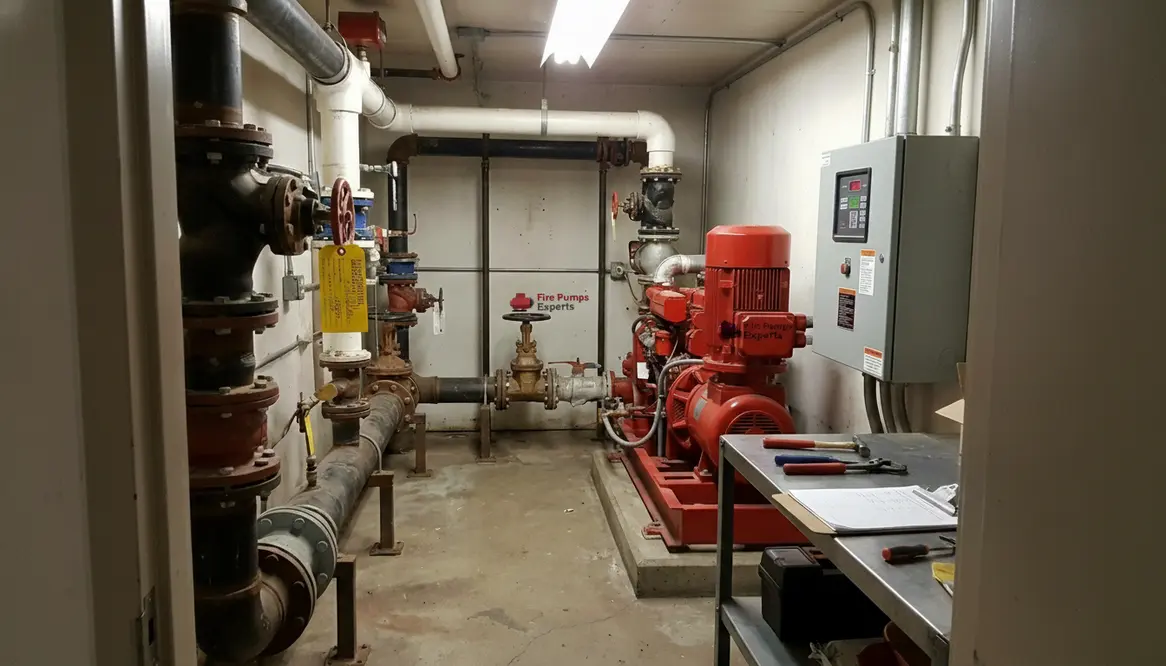
Top VdS Fire Pump Design Mistakes to Avoid
When I look at a fire pump design, I think of it like the engine room of a ship. If it works, nobody claps. If it fails, everyone notices fast. And in VdS fire pump design, the small mistakes tend to show up at the worst possible time. For commercial and industrial facilities, that means risk, downtime, and a very bad day that no insurance team wants to explain over coffee. In this article, I will walk through the design errors I see most often, why they matter, and how I would avoid them before they turn into expensive lessons.
Before anything else, I treat the pump room as critical infrastructure, not a leftover corner of the basement. The more intentional the layout, the easier it becomes to spot weak choices early. That is where a strong technical framework, like VdS design, pulls its weight by turning vague ideas into clear criteria the whole project team can follow from concept through commissioning.
What I check first in VdS fire pump design
Before I get into the common mistakes, I always start with the basics: demand, supply, and site layout. A fire pump is not a magical box that fixes weak planning. It must match the building’s real risk, the water source, and the sprinkler or suppression system it supports. If those pieces do not line up, the system may look fine on paper and still fail in practice. That is where a proper VdS fire pump design approach helps, because it pushes the project toward tested performance instead of wishful thinking. And yes, wishful thinking is great for movie endings, not for fire protection.
Core checks before anything else
- Realistic fire demand based on current and future use
- Water supply capacity, reliability, and quality
- Slope, elevation, and distance between source and pump
- Sprinkler and suppression system compatibility
- Room location, access, and risk exposure
In large facilities, I also pay close attention to the flow path, pressure loss, and access for maintenance. If the pump room feels like a storage closet dressed up as a mechanical space, I already know trouble is near.
Design mistakes that cause weak pump performance
Here is the simple truth: most pump problems begin long before startup. I see three mistakes again and again. First, teams undersize the pump because they trust old assumptions instead of current load data. Second, they ignore friction loss in long pipe runs, so the pump cannot deliver the pressure the system needs. Third, they forget about water supply limits, which is like ordering a truck to pull a trailer uphill with half the fuel gone.
These mistakes hurt more in industrial buildings, where demand can change across zones, shifts, and storage areas. Therefore, I always check the full worst case scenario, not just the neat version in the drawing package. A pump must support the system when things go wrong, not only when the spreadsheet feels optimistic.
Common performance issues I avoid
- Choosing pump size before confirming real demand
- Ignoring pipe loss over long distances
- Using a weak or unstable water source
- Overlooking future building expansion
Once I see those risks, I slow the project down and fix the numbers. That pause saves far more time than a rushed install ever could. It is also the stage where a disciplined VdS design mindset pays off, because it gives the team permission to challenge early assumptions instead of trying to rescue them later with expensive hardware or desperate field changes.
VdS design errors in layout and access
A clean layout matters just as much as pump size. I have seen excellent equipment become a problem because the room had poor access, bad ventilation, or tight clearance around critical parts. In VdS fire pump design, the room should support the pump, not fight it. If maintenance staff cannot reach valves, controls, or test connections, then regular checks turn into wrestling matches. Nobody needs that kind of cardio at 2 a.m.
Ventilation is another detail people treat like background music, important only when it stops. Yet pump rooms generate heat, and heat can hurt motor performance and shorten equipment life. I also make sure the floor drains, electrical feeds, and emergency access all make sense together. In major properties, a bad layout often costs more than the equipment itself, because every service visit takes longer and every repair becomes a small drama.
| Strong design choice | Poor design choice |
| Clear access for inspection | Tight room with blocked service points |
| Proper ventilation and cooling | Heat trapped around motor and controller |
| Easy test connection access | Test setup hidden behind other plant |
How I keep controls, power, and testing reliable
Controls and power supply deserve serious attention, because a fire pump is only as good as its ability to start when needed. I never treat the controller as an afterthought. It needs correct wiring, clear alarms, and stable backup power where required. If the controller feels like the cast member nobody invited but everyone depends on, that is because it is. Think of it as the Batman of the system, quiet until the city needs help.
I also design for testing from the start. If regular testing is awkward, people do it less often, and that leads to blind spots. So I make sure the test line, gauges, and inspection points support routine checks without making staff jump through hoops. This matters a lot in commercial and industrial sites, where uptime and safety must work together, not compete like two actors fighting for the last line in a blockbuster.
Reliable control and test strategy
- Controller positioned with clear line of sight and access
- Documented power sources and transfer arrangements
- Dedicated test connections sized for realistic flow
- Visible gauges and indicators near operator positions
- Routine tests written into site procedures from day one
For a helpful technical reference, I often point teams to the VdS fire pump design guidance for commercial and industrial facilities, because a good reference can keep a project grounded in practical decisions.
Why maintenance planning must shape the design
Here is the part many teams miss: the best design includes the future maintenance plan. I want clear service access, sensible spare part strategy, and enough room to replace worn items without tearing apart half the plant. If the design ignores maintenance, the facility ends up paying for it later, usually in overtime and frustration. And yes, that bill arrives with confidence.
I also think ahead about training. Staff should know how to inspect the system, read alarms, and spot changes in pressure or vibration. A strong VdS fire pump design supports the people who will run it. That is especially important in large buildings, where a quick response can protect production, storage, or critical operations from major loss.
Designing with maintenance and people in mind
- Arrange components so routine tasks do not require dismantling the room
- Include space to swap major parts without cutting steel or concrete
- Standardize valves, gauges, and fittings where possible
- Align the design with the site’s maintenance skill level and staffing
- Use clear labeling and simple, repeatable inspection routes
FAQ on VdS fire pump design mistakes
Final thoughts and next step
If I could leave you with one clear idea, it is this: strong VdS fire pump design comes from discipline, not guesswork. When I avoid sizing errors, poor layout, weak controls, and bad maintenance planning, I build a system that can do its job when it matters most. The same mindset I use in VdS design for pumps also improves how the rest of the protection system is planned, installed, and maintained over its life.
If your facility needs a better design review or a fresh look at a current pump setup, now is the time to act. I would rather fix a drawing today than explain a failure tomorrow, and a careful VdS fire pump design review is one of the most cost‑effective ways to keep that conversation from ever happening.