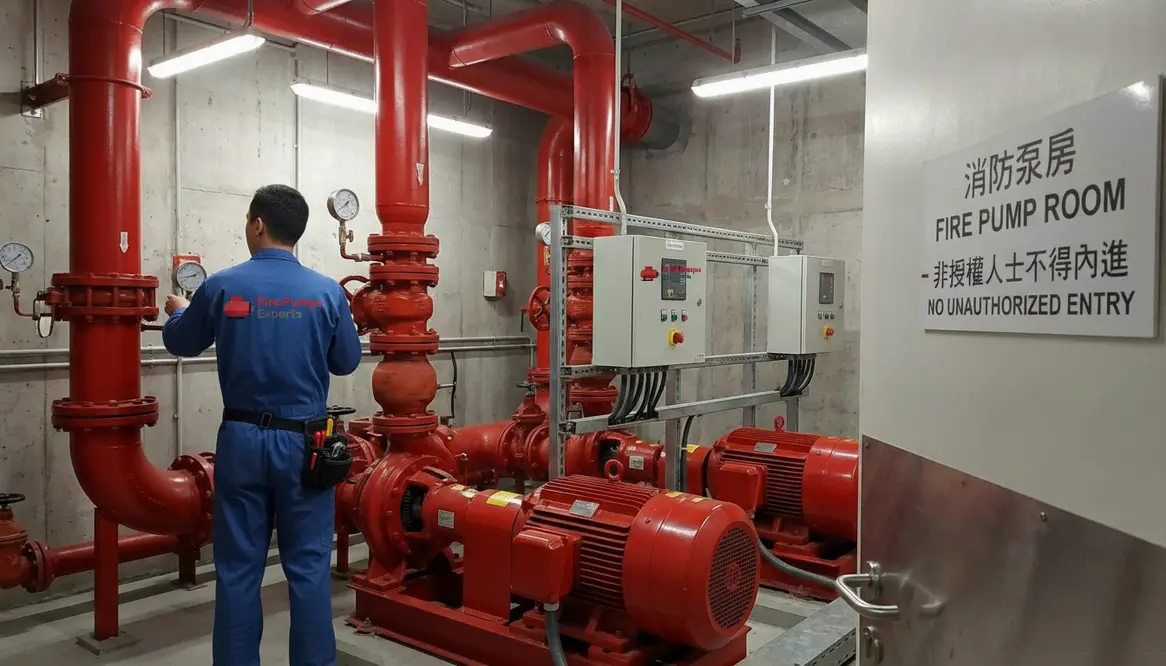
Hong Kong Fire Pump Room Requirements Guide
When I walk into a commercial tower, an industrial plant, or a major property in Hong Kong room planning, I do not look first at the marble, the glass, or the fancy lobby lights. I look for the systems that stay quiet until the day they matter most. The fire pump room is one of those systems. It sits there like the backup singer in a classic band, rarely noticed, yet absolutely essential when the lead act goes up in smoke. In a city built on height, density, and speed, I know the fire pump room must work with zero drama and full discipline.
In this article, I will break down the main requirements for a fire pump room in Hong Kong, with a focus on commercial and industrial facilities and major property buildings. I will keep it practical, direct, and useful, because nobody wants a fire safety setup that behaves like a confused side character in a Hollywood sequel.
Hong Kong Fire Pump Room Requirements Overview
A fire pump room supplies water pressure to the fire protection system. In simple terms, it helps sprinklers, hydrants, and hose reels do their job when normal pressure is not enough. I treat this room as a core part of life safety design, not as an afterthought. If the building is large, tall, or complex, then the pump room becomes even more important.
What a Fire Pump Room Must Do
For Hong Kong room compliance, I always focus on reliability, access, and protection. The room must support continuous operation during an emergency. It should also allow easy inspection, testing, and repair. If staff cannot reach it fast or maintain it well, then the system loses value. That is the plain truth, and no one needs a superhero cape to see it.
The pump room usually holds fire pumps, jockey pumps, controllers, valves, and related accessories. I always check that the setup matches the building demand and the fire system design. The pump must deliver the right flow and pressure, and the backup arrangement must support the main duty pump if needed.
Power, Control, and Early Warnings
Power supply matters just as much. A fire pump room should have a dependable power source, and the system should support emergency operation under failure conditions. In many major properties, I see the value of clear separation between normal power and emergency supply. That way, the system keeps working when the rest of the building has a bad day.
Also, I pay close attention to alarms, controllers, and monitoring signals. These items help staff spot trouble early. Since fire safety is not a “wait and see” situation, every signal must act like an early warning, not a vague suggestion.
Room Layout and Access for Hong Kong Room Compliance
The pump room must sit in a suitable location with safe access for authorized personnel. I look for clear entry, enough space around the equipment, and a layout that supports service work. The room should not double as a storage closet for random boxes, old chairs, or that one broken fan no one wants to claim. Fire pump rooms deserve better.
Equipment needs
- Enough working space around pumps, controllers, valves, and panels
- Clear paths for inspection and repair
- Proper floor drainage and clean conditions
Safety needs
- Restricted access for authorized staff only
- Fire resistant room construction where required
- Good lighting and safe ventilation
I also make sure the room supports quick response during an emergency. Therefore, doors, signs, and routes to the pump room should be easy to find. If a fire service team needs to search like they are in a maze from an action movie, the design has already failed a simple test.
Maintenance Rules I Always Check
A fire pump room is only as strong as its upkeep. So, I always look at maintenance as a living process, not a box to tick once a year while everyone pretends to be very busy. Regular testing helps prove that the pumps start, run, and stop the way they should.
Core maintenance checks
- Weekly or routine visual checks
- Scheduled pump run tests
- Controller and alarm checks
- Valve position verification
- Log records for all inspections and repairs
Just as important, I make sure the room stays dry, tidy, and free from unnecessary items. Water leaks, blocked access, and poor housekeeping can turn a strong system into a problem fast. That is not design flair. That is just bad maintenance with a dramatic soundtrack.
How I Approach Compliance in Commercial and Industrial Buildings
In commercial and industrial facilities, I treat the fire pump room as part of the wider safety network. The room must fit the building’s size, fire load, and operational risk. For a large property, I review how the pump room connects with the sprinkler network, hydrant system, and fire command setup. If the building has high occupancy or complex operations, then the pump room design must match that reality.
I also recommend using trusted technical guidance when planning or reviewing the system. For deeper insight, I often point teams to a fire pump room compliance resource for commercial buildings that supports practical planning for major properties. It helps bridge the gap between design intent and real-world performance.
In any serious Hong Kong room review, I expect the design, operation, and maintenance teams to talk to each other. When they do, the pump room stops being a forgotten corner and becomes a reliable partner in every fire scenario the building may face.
Why Hong Kong Room Planning Cannot Ignore Fire Pumps
When a design team talks about a Hong Kong room layout for major properties, the conversation usually starts with usable floor space, rental value, and impressive finishes. I quietly add the fire pump room to that list. It does not bring in rent, but it decides how well the building survives a serious fire. Treating it as leftover space is a fast way to create long-term risk.
Quick Reference Summary
Design and access
- Dedicated, secure space with clear entry
- Sufficient working clearance around all equipment
- Fire-resistant construction and safe ventilation where required
- Clear wayfinding so responders never have to hunt for the room
Operation and power
- Pumps sized for the building’s fire protection demand
- Reliable primary power with emergency power where required
- Robust controls, alarms, and monitoring
- Routine testing to prove performance, not just assume it
Conclusion
If I want a commercial or industrial building in Hong Kong to stay ready, I start with the fire pump room. It must be accessible, protected, powered, and maintained with care. I never treat it like a side note, because it is one of the core systems that protects people and property. If you are reviewing a major property, I encourage you to assess your pump room now, fix the weak spots early, and make sure your fire safety plan can perform when it counts.