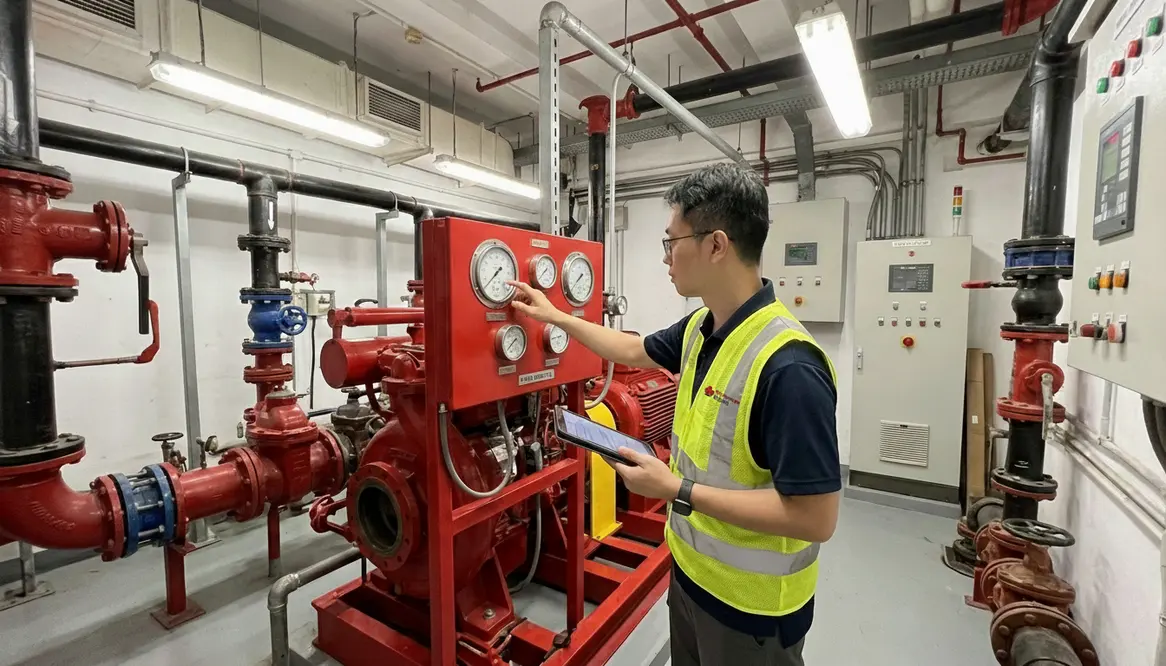
Hong Kong Fire Pump Inspection Checklist Guide
Hong Kong Fire Pump Inspection Checklist: A Clear Guide for Commercial and Industrial Buildings
When I talk about a Hong Kong inspection for fire pumps, I am not talking about paperwork theater. I am talking about the kind of check that helps keep a commercial tower, factory floor, or major property building ready when the pressure rises and nobody has time for drama. A fire pump is one of those quiet heroes. It sits there, calm as a monk, until the day it has to perform like a lead actor in a disaster film. So, in this guide, I will walk through the full checklist I use for a proper fire pump inspection, and I will keep it practical, direct, and useful for real buildings.
This checklist is built for busy commercial and industrial sites that cannot afford confusion when alarms sound. It is not a theory class. It is the working playbook I expect teams to use in plant rooms, pump rooms, and basements where the air smells like real equipment, not marketing.
The focus is on keeping things simple, repeatable, and honest. If something would not hold up during a real emergency, it does not pass the checklist. That is the standard every major building deserves.
Why a Fire Pump Inspection Matters in Major Buildings
I always start with the big picture. Fire pumps support the sprinkler and hydrant system, which means they help move water where it is needed fast. In a large building, weak pump performance can turn a small issue into a very expensive mess. That is why regular checks matter. First, they help confirm the system will start on demand. Next, they show whether the pump can deliver enough pressure and flow. Finally, they help spot wear before the system fails and ruins everyone’s day, which is already hard enough without a fire emergency cameo.
For commercial and industrial facilities, I look beyond the pump itself. I also review the surrounding setup, access, labels, and control parts. In other words, the system needs to work as a whole, not just look good in a corner of the plant room like a suit with no tie.
How Hong Kong inspection routines fit into reliability
When I carry out a Hong Kong inspection for a high-rise or industrial complex, I expect the fire pump system to behave like part of a larger safety network. That means the pump, controllers, valves, sensors, and power supply all have to play nicely together. A clean report with a weak pump is useless. A powerful pump with bad controls is just as bad. Reliability comes from looking at the entire chain, not just the shiniest link.
Fire Pump Inspection Checklist for Daily and Weekly Checks
For routine monitoring, I keep the checklist simple but focused. These checks help catch early trouble before it grows teeth.
- Check pump room access and make sure the area stays clear
- Inspect the pump controller for power, alarms, and fault lights
- Confirm suction and discharge valves stay fully open
- Look for leaks, rust, vibration, or odd noise around the pump and pipes
- Verify pressure readings on gauges and compare them with normal values
- Check fuel level for diesel pumps and confirm battery charge for electric start units
- Make sure the pump has no unusual heat, smell, or visible damage
These checks do not take forever, and they should never be treated like optional reading material. I want someone on site to spot a small change early. After all, fire systems do not care how busy the schedule is.
Turning routine checks into real protection
If a daily or weekly round becomes a lazy box-ticking exercise, the whole point of the Hong Kong inspection culture disappears. I want the person walking that route to notice the hiss of a small leak, the smell of hot insulation, or the silence of a dead alarm. That level of attention is what turns a simple checklist into a real safety net.
What I Check During Monthly Testing
Monthly testing gives me a better look at real performance. This is where I move from visual review to actual operation. I test the pump start function and watch how it responds under load. Then I check whether the controller starts the pump the right way and whether alarms work as expected. I also listen carefully. A pump often tells its own story through sound, and sometimes that story sounds like trouble wearing heavy boots.
Here is the monthly inspection focus I follow:
| Area | What I Look For |
| Start up | Fast, smooth pump start with no delay |
| Pressure | Stable pressure rise and proper discharge level |
| Controls | Working switches, alarms, and indicator lights |
| Engine or motor | No strange noise, smoke, heat, or vibration |
I also check records. Good logs matter because they show patterns. If pressure drops every month, I do not shrug and move on. I investigate. That is how a proper Hong Kong inspection avoids guesswork and stays useful.
Listening to what the pump is trying to say
Sometimes the gauges look fine while the sound of the pump hints at trouble. A slight change in pitch, a new rattle, or a slow spin-up can point to problems long before a failure. During monthly testing, I treat those signals as early warnings and not as background noise.
How I Review the Pump Room and System Parts
A fire pump does not work alone, so I inspect the full pump room with care. First, I confirm the room stays dry, clean, and easy to reach. Then I check ventilation, lighting, drainage, and protection from damage. A pump room packed with clutter is like trying to film Mission Impossible in a broom closet. Not ideal.
I also look at:
- Jockey pump condition and automatic pressure support
- Controller wiring and label condition
- Pipe support and signs of corrosion
- Pressure gauges and relief valves
- Backup power supply where required
- Water tank level and supply readiness
Access routes and real-world usability
When I inspect major property buildings, I pay close attention to access routes too. If staff cannot reach the equipment quickly, then the system loses value even if it looks fine on paper. A tidy, labeled, and well-lit pump room is not decoration. It is part of the life safety plan.
Fire Pump Inspection in Hong Kong for Compliance and Records
Compliance is not just about ticking a box. It proves the building team keeps the life safety system in working order. That is why I make sure every inspection has proper records, test results, and clear notes on defects. If I find a fault, I want the fix documented, signed off, and followed through.
For those who manage industrial sites or large estates, I strongly suggest linking your inspection process with a trusted fire pump inspection service for commercial buildings. A good service helps keep reports clean, repeat checks organized, and system issues from hiding in the shadows like a bad sequel nobody asked for.
Also, I never treat one inspection as the end of the story. I compare results over time. That way, I can see wear trends, pressure changes, and control problems before they become full blown emergencies. This approach makes the whole process smarter and more reliable.
Using Hong Kong inspection data to stay ahead of failures
When inspection records stretch over months and years, patterns appear. Maybe one pump needs more frequent seal replacement, or one controller keeps throwing nuisance alarms. Instead of waiting for a dramatic failure, I use that data to plan targeted repairs, upgrades, or replacements long before the system lets anyone down.
FAQ: Quick Answers for Featured Snippets
These are the questions I hear most often when teams set up a structured Hong Kong inspection plan for fire pumps in commercial and industrial buildings.
Conclusion
Here is my final word: do not wait for a fire to discover that your pump has stage fright. Keep your inspection routine steady, keep your records clean, and keep your system ready for the real test. If you manage a commercial tower, factory, or major property building, I invite you to act now. Review your fire pump process, tighten weak spots, and bring in the right help before a small issue grows teeth.