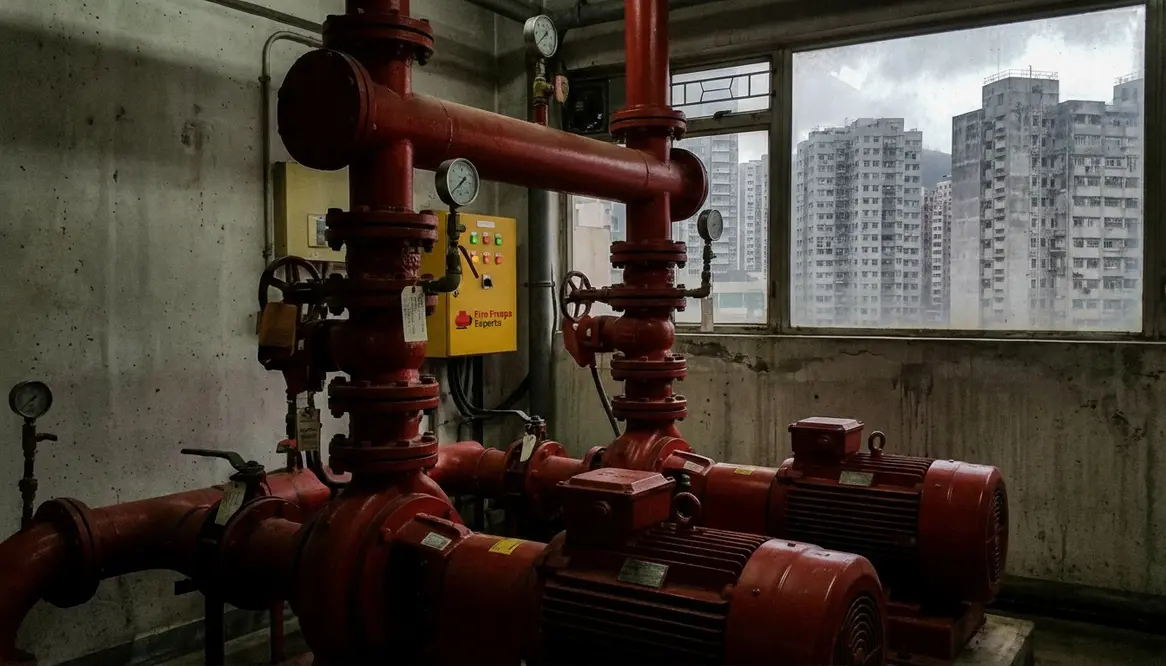
Hong Kong Industrial Fire Pump Requirements Guide
When I look at fire safety in a Hong Kong industrial building, I see more than pipes and machines. I see the heartbeat of a facility that must keep people safe and operations alive when trouble hits. Fire pumps sit right at the center of that plan. They deliver steady water pressure to sprinklers, hydrants, and hose reels, and they do it when gravity and hope both run out. In a place where heavy equipment, stored goods, and high energy systems share the same space, that matters a great deal. So, let me walk you through what the requirements mean, how they work, and why owners should treat them like the serious business they are.
What fire pumps do in a Hong Kong industrial building
I like to think of a fire pump as the building’s last strong cup of coffee. It wakes up the water system when normal pressure cannot do the job. In an industrial site, that pressure loss can happen because the building is tall, the pipe network is long, or several outlets need water at once. A proper pump system helps keep water flow stable during a fire, which gives firefighters and sprinklers a better chance to control the blaze early.
For a commercial or industrial property in Hong Kong, this is not a nice extra. It is part of a larger fire protection plan. The pump must match the risk level of the building, the size of the water system, and the layout of the site. If the building has warehouses, production lines, or large storage zones, the demand grows fast. And fire does not care about your schedule, your profit margin, or the fact that the loading bay is already full.
Hong Kong industrial fire pump rules I watch first
When I review a site, I start with the main point: the pump must support the approved fire service installation. In Hong Kong, that usually means the system must meet the needs of hydrants, hose reels, sprinklers, or any mix required for the building use. The design should follow the local authority rules and the approved drawings for the property.
The pump set usually needs the right type of power source, dependable automatic start, and enough capacity to maintain pressure during fire flow. Many facilities use a main pump, a standby pump, and a jockey pump. The jockey pump keeps pressure steady under small drops, so the main pumps do not cycle on like a nervous intern on his first day. That setup helps the system stay ready and reliable.
Key design points for commercial and industrial sites
I always focus on a few core design points because they shape the whole system.
- 1. Pump capacity The pump must supply the required water flow at the needed pressure. If it falls short, the system can fail when it matters most.
- 2. Water source The tank or water supply must hold enough water for the fire protection demand. A pump without enough water is just an expensive paperweight with ambition.
- 3. Power supply The building should have a reliable power source, and many sites also need backup power or a second pump arrangement.
- 4. Location The pump room should stay accessible, protected from flooding, and easy to inspect. If staff cannot reach it, the system loses value fast.
- 5. Controls and alarms The pump should start automatically when pressure drops. In addition, alarms should tell the team when something goes wrong.
Main pump vs standby pump at a glance
Main pump
Handles the primary fire demand
Runs during major fire flow
Usually the first line of defense
Standby pump
Steps in if the main pump fails
Protects against single point failure
Adds extra safety and reliability
Inspection and testing that keep the system honest
Rules matter, but testing matters even more. A pump that only looks good on paper can still fail under pressure. That is why I check routine inspection and test records with care. The system should run through weekly or monthly checks, depending on the site plan and local requirements. During those checks, staff should confirm pressure, start function, valves, power supply, and overall condition.
In addition, the pump should go through a full flow test at set intervals. That test shows whether the pump can still deliver the needed water volume and pressure. Over time, wear, blockage, corrosion, and electrical faults can weaken performance. Therefore, regular testing is not just good practice. It is the line between readiness and regret.
How I stay ready for compliance
Compliance works best when I treat it like a living process, not a one time task. For a Hong Kong industrial facility, I keep records of design approval, installation details, test logs, service dates, and repair notes. I also make sure trained staff understand the pump room, the controls, and the emergency response steps. That kind of discipline keeps surprises low, and in fire safety, low surprise is beautiful music.
I also recommend checking guidance from trusted fire protection sources and approved local standards. For example, a resource like https://firepumps.org can help owners understand how pump systems support large buildings and business sites. Still, local approval always comes first, because every property must meet the actual conditions of its own site.
Frequently asked questions on Hong Kong industrial fire pumps
Conclusion
If I want a Hong Kong industrial building to stay safe, I do not treat the fire pump like a side note. I treat it like essential infrastructure. So, I review the design, confirm the water supply, test the controls, and keep every record in order. If you manage a commercial or industrial property, now is the time to check your pump system and close any gaps before they become costly. Start with a proper review today, and keep your building ready for the moment it must perform.