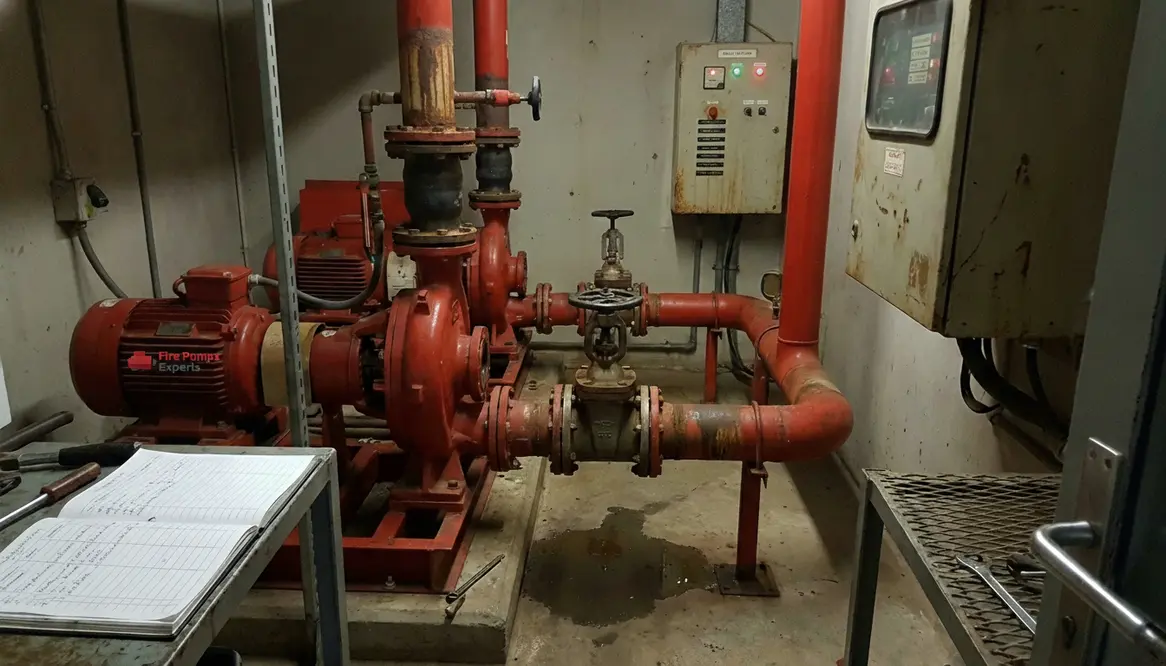
South Africa Fire Pump Deficiencies to Watch
South Africa fire pump deficiencies to watch for matter more than most people think. In a commercial or industrial building, a weak fire pump can turn a small fault into a very expensive headline. I have seen how South Africa deficiencies in fire pump systems often hide in plain sight, and they usually show up at the worst possible time, like an actor forgetting their lines on opening night. So, if you manage a major property, factory, warehouse, or large business site, this guide will help you spot trouble early and keep your system ready when it counts.
What fire pump deficiencies usually look like in commercial buildings
Fire pumps do not fail in one grand moment very often. Instead, they wear down in small ways. I usually look for poor pressure, strange sounds, leaks, short cycling, weak controller response, and signs of old maintenance. These are common South Africa fire pump deficiencies in large properties, and they often point to deeper system issues.
First, pressure loss is a major clue. If the pump cannot hold the right pressure, the system may not support sprinklers or hose reels during an emergency. Next, vibration tells its own story. A pump that shakes too much may have alignment problems, worn parts, or blockages. And yes, a fire pump should not sound like it is auditioning for a heavy metal band.
Also, rust and water stains deserve attention. They often show slow leaks, failed seals, or damaged pipe joints. Over time, those small leaks can reduce performance and raise repair costs.
How I check for South Africa deficiencies in the pump room
When I inspect a pump room, I start with the basics and then move deeper. I want to see the full picture, not just the shiny parts. That means checking the pump, driver, controller, suction line, discharge line, valves, gauges, and power supply. After that, I review the logbooks because the past often tells me what the equipment will do next.
Here is a simple view of where problems often hide:
Common issue
Pump body
Controller
Suction line
Discharge line
Power supply
What I watch for
Leaks, rust, heat marks, and noise
Fault lights, delayed starts, weak display, and alarms
Air entry, blockages, and valve trouble
Pressure drops, loose fittings, and backflow risk
Tripping, low voltage, and poor backup support
Because fire pumps serve critical buildings, I never treat a small fault as small. A loose wire or worn seal may look harmless today, but it can grow into a full system failure later. That is why steady checks matter, especially in commercial and industrial sites where uptime and safety both count.
Why performance tests reveal the real problems
Visual checks help, but performance tests tell the truth. I always want to know how the system behaves under pressure. A pump that looks fine can still fail the test, and that is where many South Africa deficiencies become clear.
During a flow test, I watch how quickly the pump starts, how well it holds pressure, and whether the output matches the design need. If the pressure climbs too slowly, the impeller may be worn, the suction supply may be weak, or the motor may be under strain. If the pump loses prime, I know I need to look at air leaks, valve problems, or suction setup.
Frequency also matters. If a pump starts and stops too often, the system may have pressure issues or a faulty controller. That kind of pattern can wear out parts fast. It is a bit like a car in stop and go traffic all day. Nobody wins.
For major properties, I also compare test results with past records. A slow drop in performance often gives the first warning before a real breakdown arrives.
Which maintenance gaps create the biggest risk
In my experience, the biggest risks come from missed care, not just broken parts. Many South Africa fire pump deficiencies begin when a team skips checks, delays repairs, or relies too long on old settings. A fire pump system needs regular attention, not hope and good intentions.
The biggest maintenance gaps include:
- Ignoring small leaks until corrosion spreads
- Not testing the controller and alarm response often enough
- Failing to clean strainers and suction lines
- Leaving worn batteries or weak backup power in place
- Not updating records after repairs or test runs
- Using untrained staff for critical checks
When those gaps stay open, the whole system becomes less reliable. In a large commercial site, that risk can affect not just safety, but also insurance and business continuity. And since nobody wants a fire safety surprise with legal paperwork attached, it makes sense to stay ahead of it.
Why expert reviews help protect large properties
I always recommend expert support for fire pump systems in major properties. A trained specialist can spot the kind of South Africa deficiencies that often hide behind normal noise, old paint, or a controller that still lights up but barely functions. That deeper review helps protect both people and property.
For commercial and industrial facilities, the right service should focus on compliance, system health, and real performance. If you want a useful resource, I suggest reviewing commercial fire pump inspection guidance for major properties. It fits the needs of large buildings where fire protection must stay dependable every day.
In the end, I see fire pump care as a simple deal: inspect early, test often, repair fast, and keep good records. That approach saves money, reduces stress, and helps the system do its job when every second matters.
FAQ
Keep your fire pump ready before trouble starts
If you manage a commercial or industrial property, I urge you to act before a fault turns into a crisis. Review your fire pump system, check for hidden South Africa deficiencies, and bring in a specialist if anything looks off. A strong inspection today can prevent a costly failure tomorrow. So, do not wait for a warning siren to become your wake up call. Protect the building, protect the people, and keep the system ready.