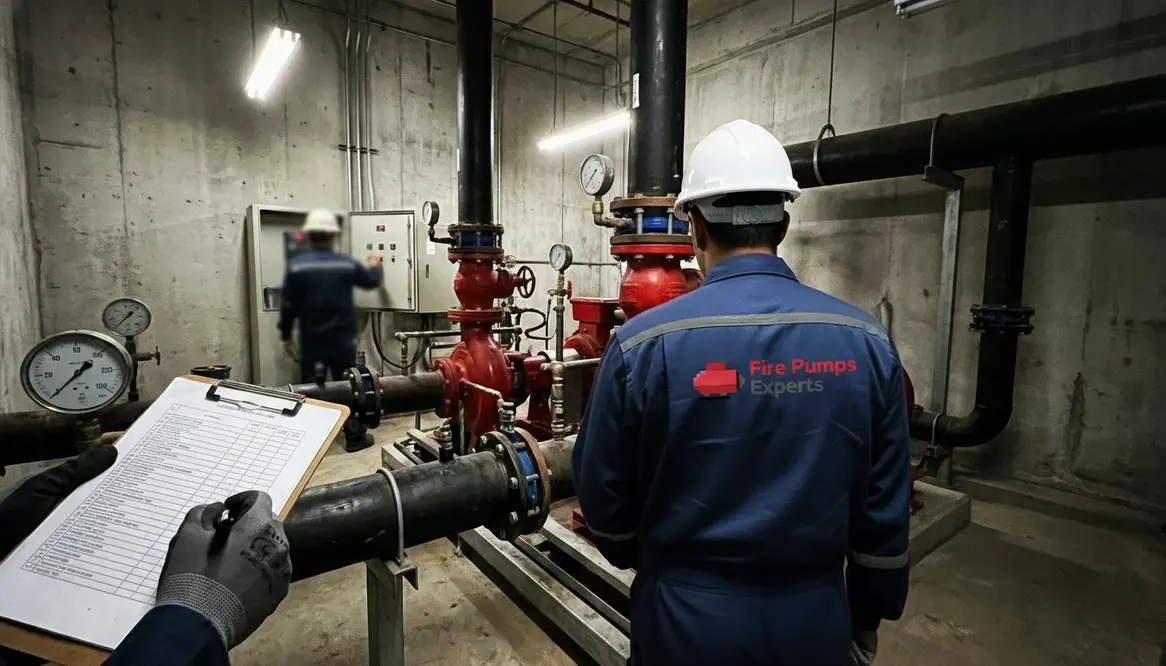
European Fire Pump Standards Compared EN 12845
European Fire Pump Standards Compared: What I Look At Before I Trust a System
When I compare European standards for fire pumps, I do not look at badges and buzzwords. I look at how well the system protects commercial and industrial facilities when the pressure is on, literally. In Europe, the main names I keep in view are EN 12845, EN 12259, and the related pump rules used in sprinkler and fire water systems. Each one shapes how a pump should perform, how it gets tested, and how it supports a building when things go sideways. And yes, when a pump fails, that is one drama nobody wants on site. Not even in a Netflix finale.
In this article, I compare the main European fire pump rules in plain language so I can help you see which standard fits which job, and why that matters for large properties, warehouses, factories, logistics hubs, and high value buildings.
European standards in plain terms
Here is the short version. EN 12845 guides automatic sprinkler systems, so it often becomes the main reference for fire pump sets in commercial and industrial buildings. It focuses on water supply, pump reliability, backup power, and system performance under real fire risk. Meanwhile, EN 12259 covers sprinkler components, which means it helps define how parts of the system work together. I also see related rules tied to pump testing, installation, and maintenance, because a great pump without proper checks is like a sports car with no fuel.
Most importantly, these standards do not exist to make life harder. They exist to make systems predictable. That matters because in a major property, the fire pump is not a side character. It is the one person in the room who better show up on time.
EN 12845 compared with other European fire pump rules
When I compare European fire pump standards, I start with the purpose of the system. EN 12845 leads the pack for sprinkler protected sites because it gives clear rules for pump capacity, water storage, backup supply, and pump room setup. It works well for facilities that need steady protection across large floor areas and heavy fire loads.
Other European rules and national codes can add extra detail. For example, some countries ask for specific performance tests, preferred diesel and electric pump arrangements, or stricter inspection cycles. So, while EN 12845 gives the base frame, local rules often sharpen the pencil. That is why I never treat one standard as the whole story. The building use, insurer demands, and local authority all shape the final design.
How the standards affect fire pump design
Supply, strength, and survival
I like to think of pump design as a three part game: supply, strength, and survival. First, the water supply must hold enough volume for the hazard. Second, the pump must deliver the right flow and pressure. Third, the system must keep running even if one part fails. That usually means a main pump plus a backup pump, often with a jockey pump to manage small pressure drops.
Details that decide reliability
These rules also affect pipe sizing, suction layout, fuel choice for diesel sets, ventilation, noise control, and access for service teams. In a warehouse or plant, those details matter more than people think. If the room is cramped, poorly vented, or hard to reach, then maintenance gets messy fast. And messy maintenance is where trouble likes to hide.
European standards checklist for commercial and industrial sites
| Design area | What I check |
| Water supply | Enough volume, steady feed, clear refill plan |
| Pump sizing | Flow and pressure match the hazard class |
| Backup support | Duty and reserve setup, plus power resilience |
| Pump room | Access, ventilation, drainage, and safe working space |
| Testing | Routine checks, documented runs, and fault tracking |
What I look for when I compare pumps
I compare pumps by more than the nameplate. I look at performance curves, test records, compliance papers, and how the supplier supports long term service. A pump can look impressive in a brochure, but real life is less forgiving. The unit must start cleanly, hold pressure, and keep its shape under demand. That is the difference between “looks good” and “does the job.”
I also weigh how well the system matches the building risk. A manufacturing site with combustible storage needs a different setup than a mixed use office tower. So, even when two projects both follow European standards, their pump choices may look very different. That is normal. Standards guide the path, but the building decides the shoes.
How I use European fire pump standards to choose the right setup
From risk profile to pump room
Here is the decision flow I use. First, I define the building type and fire risk. Then I check which standard applies most directly, with European standards like EN 12845 leading for sprinkler based protection. After that, I review local rules, insurer requests, and service access. Finally, I confirm the pump set can be inspected, tested, and maintained without drama. Because a fire pump that nobody can service is a future headache wearing a hard hat.
Translating rules into real buildings
If you want a deeper technical path, I recommend reviewing a trusted resource like European fire pump solutions for commercial and industrial facilities. It helps connect standards with real world building needs, which is where the useful stuff lives.
FAQ
Conclusion
When I compare European fire pump standards, I always come back to one truth: the right system protects people, property, and business continuity at the same time. If you manage a commercial or industrial site, do not leave this to guesswork. Review the standard, check the site risk, and make sure every part of the pump set fits the job. If you need a clear next step, explore your options, talk to a specialist, and build the system before the emergency writes the script.