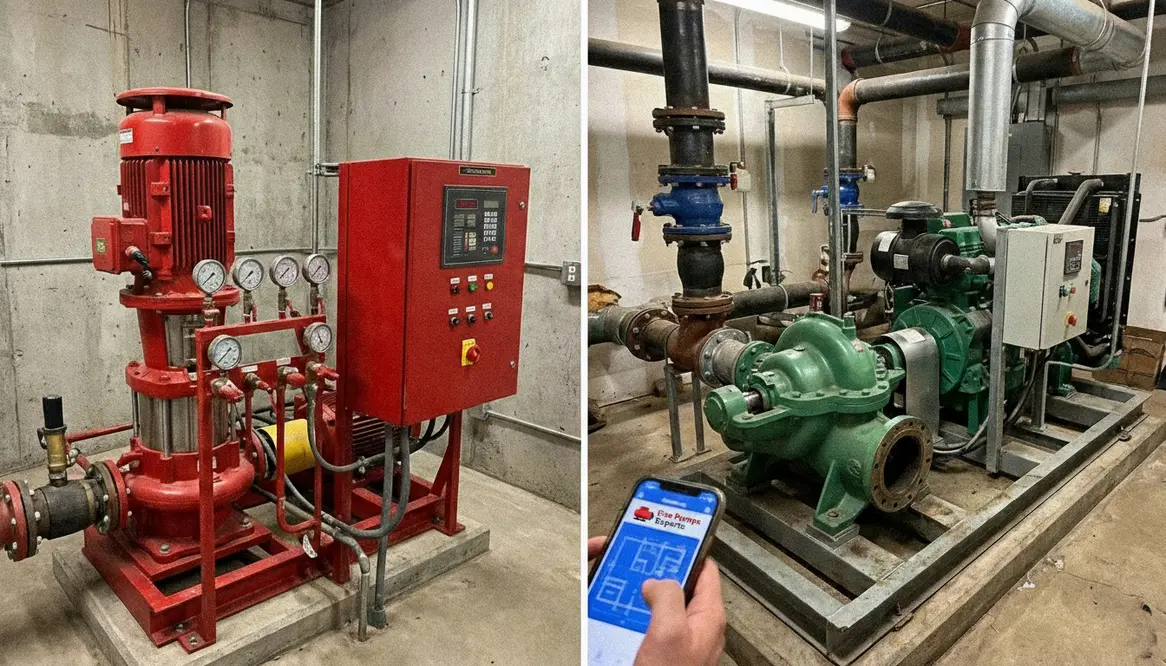
Fire Pump Code Differences in Global Markets
When I compare fire pump code rules across global markets, I see one simple truth: the goal stays the same, but the path changes a lot. Every country wants strong fire protection for commercial and industrial facilities, yet the rules for testing, listing, power supply, and installation can feel like different scripts for the same movie. And yes, sometimes it feels like the movie got three sequels nobody asked for. Still, if you manage a plant, warehouse, tower, or major property building, you need the code map before you buy, install, or inspect anything.
That is why I keep this topic practical. I want to show how fire pump code rules shift from region to region, what those shifts mean for real projects, and how I would plan for them without losing sleep. The details matter, because one missed requirement can turn a smooth approval into a long, expensive meeting with people who use words like “noncompliant” with great joy.
In global portfolios, I see one pattern repeat: teams assume a familiar standard will carry them everywhere, then discover too late that “almost compliant” and “approved” are not cousins. Treating each market like its own script keeps the story moving and the budget under control.
So, consider this a practical walkthrough of how the same fire pump code ideas are translated, stretched, or remixed around the world, and how to build a project plan that survives those rewrites.
What fire pump code means in the United States
In the U.S., I usually start with NFPA 20, which sets the baseline for fire pump selection, installation, and performance. Then I look at local building codes, fire department rules, and insurance demands. So, the code picture is rarely just one rulebook. It is more like a stack of rulebooks sitting on your desk, quietly judging you.
For commercial and industrial sites, the U.S. system often focuses on pump reliability, power source backup, controller standards, suction conditions, and acceptance testing. In many projects, I also see pressure on documentation. Authorities want proof that the pump can perform under real conditions, not just in a neat brochure.
Key U.S. focus areas before submittal
- Clear reference to NFPA 20 edition and any local amendments
- Defined power strategy for normal and emergency operation
- Evidence of listing/approval for major components
- Acceptance-test plan that matches the authority’s expectations
- Accurate pump curves and system calculations tied to the hazard
How European rules shape fire pump systems
In Europe, I often see a different rhythm. EN standards and local national rules can guide design, but the exact mix depends on the country. As a result, a fire pump set approved in one market may need changes before it fits another. That means I never assume a “yes” in Germany will equal a “yes” in France, Spain, or the UK. The continent loves variety. Very chic. Very inconvenient.
European projects for major properties often put strong weight on system integration, equipment quality, and compliance with local approval bodies. In addition, some markets pay close attention to pump room layout, sound control, and maintenance access. So, when I plan a system, I think beyond pump size. I think about how the whole room works under pressure, during tests, and years later when a technician needs room to do the job without doing yoga.
Typical European code themes
- Alignment with EN standards plus a national overlay of rules
- Stronger expectations around room acoustics and building impact
- Preference for highly coordinated mechanical and electrical layouts
- Emphasis on long-term service accessibility and safe movement paths
Fire pump code in Asia and the Middle East
Across Asia and the Middle East, I find wide variation. Some markets lean heavily on international standards, while others blend those standards with national civil defense rules or local authority demands. That can create a sharp difference in the approval path, even when the fire pump itself looks similar on paper.
For large commercial towers, industrial plants, and logistics centers, I often see a strong focus on redundancy, seismic or environmental risk, diesel backup performance, and fast water delivery. In hotter regions, ambient conditions also matter more than people expect. Heat can affect fuel systems, batteries, controls, and equipment life. So, I treat climate as part of the code conversation, not as background noise.
Regional approval drivers to watch
- Civil defense or fire brigade design manuals that override generic rules
- Specific requirements for diesel tanks, ventilation, and exhaust handling
- Seismic bracing and anchoring criteria in high-risk zones
- Ambient temperature ratings for controllers, cables, and batteries
Fire pump code comparison for commercial facilities
I like to compare global requirements in simple terms:
United States
Strong focus on NFPA based design, local authority review, and acceptance testing.
Europe
Mixed EN and national rules, with attention to room layout and local approval pathways.
Asia
Broad use of international standards, but local rules often shape final approval.
Middle East
Civil defense review can be strict, with heavy attention to backup power and reliability.
This is why I always tell clients to think about their market early. If a company builds a distribution hub in one country and a manufacturing site in another, the same pump package may not pass both reviews. So, the smartest move is to match the design to the market before procurement starts. That saves time, money, and a few gray hairs that never grow back.
What I check before a project starts
When I review a commercial or industrial fire pump project, I focus on a few things right away:
- Which standard the authority accepts
- Whether the pump needs electric or diesel backup, or both
- How much flow and pressure the system must deliver
- What the local test and commissioning rules require
- How much space the pump room needs for safe access and service
Turning checks into a repeatable workflow
These checks may sound basic, but they stop most surprises early. And in this field, surprises are rarely the fun kind. Nobody wants a last minute redesign because the local code officer wants a different test setup than the one used three borders away.
Documenting these items in a simple market checklist means each new facility in your portfolio starts from a known fire pump code baseline instead of improvisation. The modest setup effort pays off every time a new approval cycle begins.
How I handle code differences without slowing the project
I always start with the target market, then I verify the local fire protection standard, then I match the equipment spec to the approval path. After that, I build the submittal package with enough detail to answer common questions before they get asked. That approach keeps the project moving and reduces back and forth.
I also recommend working with a supplier that understands commercial and industrial facilities, not just general property types. The needs of a data center, refinery, warehouse, or high rise are very different, even when people call them all “big buildings.” That is like saying every Marvel hero solves problems the same way. Clearly, no.
Practical ways to design for multiple markets
- Start with the strictest likely fire pump code in your portfolio, then check where others differ.
- Standardize documentation formats so local reviewers can find data quickly.
- Use component options (motors, controllers, diesel sets) that carry widely recognized approvals.
- Capture lessons learned from each city or country and roll them into the next project’s checklist.
If you want a reference hub for fundamentals, you can always start with resources like https://firepumps.org and then map what you see there against the specific rules your local authority applies.
FAQ
Conclusion
If you manage a commercial or industrial facility, I would treat global fire pump code differences as a design step, not a late stage problem. The right plan saves time, protects assets, and keeps approval simple enough to breathe through. If you are comparing markets, planning a project, or updating a major property system, connect with a team that knows the local rules and the big picture. The right guidance turns a tough code maze into a clear path forward.