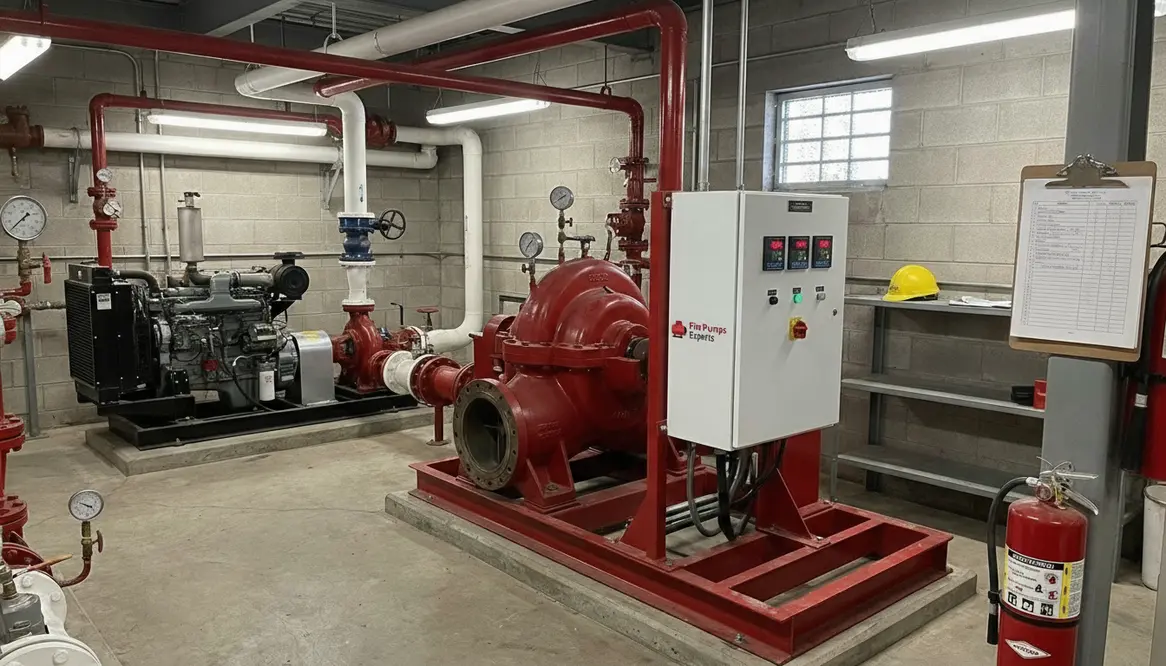
Fire Pump Code Requirements for Industrial Sites
How to keep industrial fire pumps legal, reliable, and ready for the worst workday your facility ever has.
Fire Pump Code Requirements for Industrial Facilities Worldwide
When I look at fire pump industrial worldwide standards, I see one thing very clearly: safety rules may change by country, but the goal stays the same. I want water to reach the fire fast, under pressure, and without drama. That is the whole game. In industrial plants, warehouses, and major property buildings, a fire pump can mean the difference between a small incident and a very expensive disaster. Nobody wants their facility to turn into the villain in a disaster movie.
Because codes vary across regions, I always check the local rules first, then compare them with global standards such as NFPA 20, EN based systems, and local fire authority demands. That way, I avoid the classic mistake of installing a system that looks fine on paper but fails the real world test. And trust me, fire inspectors do not enjoy surprises.
At a glance: what most codes care about
Across industrial facilities, four themes repeat in nearly every standard for fire pump industrial worldwide projects: water supply, pump performance, power source, and reliability.
- Water supply that matches the hazard, not the hope
- Pump capacity and pressure that stay steady under demand
- Power setups that keep running when the grid does not
- Monitoring, alarms, and testing that catch problems early
What fire pump codes usually require
Across most regions, codes focus on four things: water supply, pump performance, power source, and reliability. First, I need enough water flow and pressure for the building hazard. Second, I need the pump to start fast and hold the right pressure when demand rises. Third, I need a trusted power setup, which may include electric, diesel, or both. Finally, I need the system to work even when the main utility fails, because fires rarely wait for a convenient moment.
Most codes also require:
- Proper pump sizing based on the fire load and hazard class
- Dedicated pump rooms with safe access and ventilation
- Automatic start on pressure drop
- Weekly or monthly testing
- Clear alarm and monitoring signals
In practice, these rules protect uptime as much as they protect life and property. A plant manager may see an extra inspection, but a better way to see it is as insurance with a pulse.
How I compare global standards for industrial sites
Here I use a simple dual column view to make the main differences easier to follow. This way, when I work on any fire pump industrial worldwide project, I can keep the regional quirks straight without losing the big picture.
North America and many export projects
In the United States and in many projects that follow U.S. practice, NFPA 20 guides fire pump design and installation. I look for minimum pump room size, proper suction conditions, listed equipment, and strong power backup. Local building and fire codes also matter, so I never stop at one document. I treat the code set like a team, not a solo act. Even Batman needed the rest of the crew.
Europe, Middle East, and Asia Pacific
In many other regions, I often see EN standards, local civil defense rules, and national fire codes used together. These systems may ask for different test methods, room layouts, or pump types. However, the core idea stays steady. The pump must deliver enough water, start without delay, and stay ready for duty. Industrial facilities with high risk zones, tall buildings, or large storage areas usually face tighter review, so I plan for that from day one.
Why equipment choice matters in fire pump industrial worldwide projects
Not every pump fits every site. I always match the pump type to the hazard, water source, and power profile. Electric pumps work well where power stays stable and backup power is strong. Diesel pumps offer more independence during outages. Jockey pumps help hold pressure and reduce false starts, which keeps the main pump from jumping into action like it has had too much coffee.
Environmental and reliability pitfalls
For industrial facilities, I also watch for corrosion, vibration, suction loss, and extreme heat. These issues sound small until they are not. A pump room near a hot process area or a dusty warehouse can age fast if I do not plan for protection. So, I think beyond the pump itself and look at the full environment around it.
Over time, the projects that perform best are the ones where equipment, layout, and code intent all line up. That is when a fire pump industrial worldwide installation stops being a compliance headache and starts being a quiet, reliable asset in the background.
What inspectors check before approval
Inspectors usually want proof, not promises. Therefore, I prepare documents, test records, and layout drawings before the site visit. I also make sure the pump has clear labels, the valves are accessible, and the control panel works as intended. If the system includes backup power, I confirm that it starts and carries the load properly.
Common inspection checks
- Correct pump capacity and pressure
- Approved controller and power source
- Proper pipe sizing and valve setup
- Clear signs, lighting, and room access
- Test results for flow and start performance
Staying one step ahead
Many facilities forget one simple truth: the best time to find a problem is before the inspector does. That little lesson has saved more schedules than a dozen meetings ever could.
Where to find the right guidance for major facilities
When I need help aligning a project with code, I look for a source that focuses on commercial and industrial buildings only. For that reason, I pay attention to resources like expert fire pump guidance for commercial and industrial facilities from firepumps.org. That kind of focus matters because a hospital, tower, plant, or warehouse needs a very different approach from a small residential setup. Industrial fire protection is a serious business, and the details can get messy fast if the advice is too broad.
So, I always cross check local authority rules, equipment listings, and installation details before I lock in the final design. A smart design today can save a very costly headache tomorrow. On complex jobs, especially any large fire pump industrial worldwide installation, that cross check is not optional; it is the quiet, unglamorous work that keeps people safe.
FAQ
Conclusion
Fire pump code compliance is not just a box to tick. It is the backbone of reliable fire protection for industrial facilities and major property buildings. If you want a system that meets code and performs under pressure, I recommend starting with the right standards, the right equipment, and the right guidance. Then, review every detail before installation begins. For a smarter project, use expert support and plan with care so your fire pump industrial worldwide solution works exactly as hard as the worst day demands.