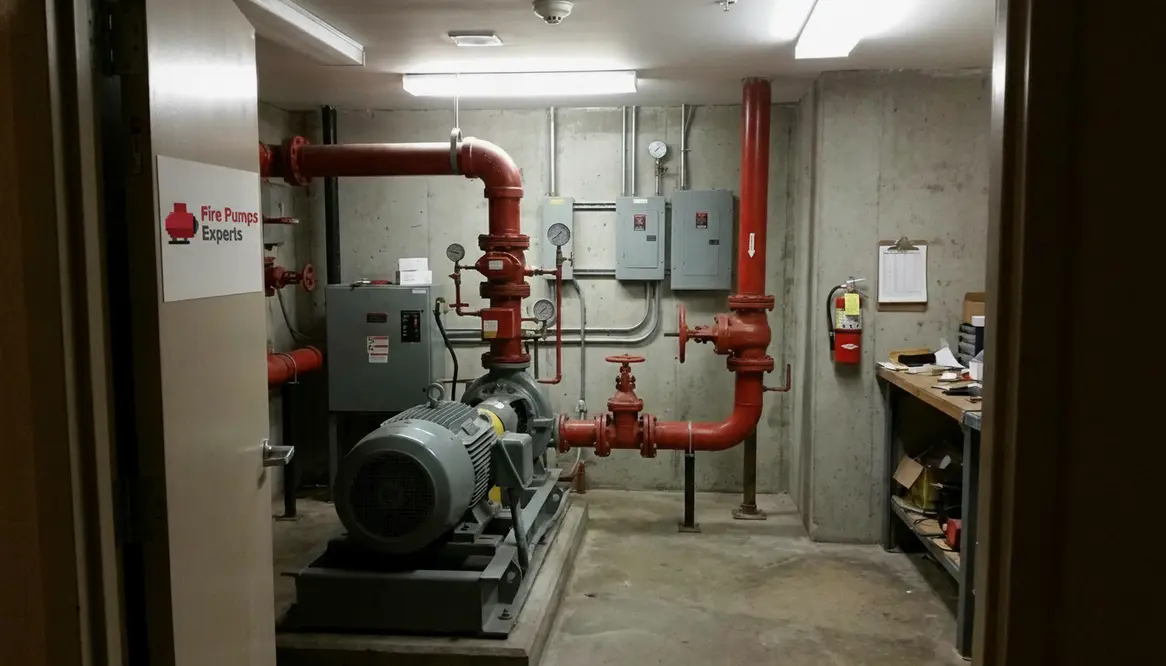
Fire Pump Code Requirements for Hotels Worldwide
Why the quiet machine in the basement may be the most important “guest” in your building.
When I look at fire pump hotels worldwide, I see more than a technical box to tick. I see the backbone of a hotel fire protection system, the quiet machine that stands ready when water pressure drops and seconds start to matter. In a major hotel, guests sleep, staff work, and life moves on as if nothing can go wrong. Then a fire alarm sounds. That is when code compliance stops being paperwork and starts being survival. And yes, boring as code books may seem, they do have a habit of becoming the star of the show at the worst possible moment.
Why hotel fire pumps matter
A fire pump is not about shiny equipment. It is about the moment when sprinklers need more pressure than the city or onsite tank can provide. In that moment, your fire pump becomes the one piece of gear you really want on your side.
Understand the Core Code Rules for Hotel Fire Pumps
Across most regions, hotel fire pump rules follow the same basic idea: if the building’s water supply cannot deliver enough pressure and flow for sprinklers, standpipes, or hydrants, a fire pump must fill the gap. I always start with the local authority, because the code in Paris, Dubai, Singapore, or Toronto may differ in the details, even if the safety goal stays the same.
In general, I check four things first.
- The hotel size and height
- The water demand from the fire system
- The available supply pressure
- The required pump capacity and backup power
For large hotels and resort towers, fire pumps often become mandatory because gravity alone cannot do the job. In many cases, codes also require a test header, suction arrangement, controller supervision, and a reliable power source. In other words, the pump must not just exist. It must be ready, proven, and hard to ignore. Batman had backup gear. Your hotel should too.
Quick code reality check
- Do not assume city water pressure is “good enough.”
- Do not assume the tallest guest room floor gets full sprinkler pressure.
- Do not assume backup power magically appears during outages.
What Hotels Worldwide Must Include in a Compliant Fire Pump Setup
Now, let me make this practical. A compliant fire pump setup usually includes the pump itself, the controller, suction and discharge piping, pressure gauges, relief arrangements where needed, and a power supply that can keep the system alive during an outage. Many hotel systems also need a jockey pump to hold pressure and reduce unnecessary starts. That small helper does the thankless work. Honestly, it deserves a raise.
Core components at a glance
| System part | Why it matters |
|---|---|
| Pump unit | Delivers required flow and pressure |
| Controller | Starts and monitors pump operation |
| Power source | Keeps the pump available in emergencies |
| Jockey pump | Maintains pressure and reduces wear |
| Valves and gauges | Help with testing and inspection |
Just as important, I make sure the pump room meets access, ventilation, drainage, and temperature rules. A pump room that floods, overheats, or becomes a storage closet for old banquet chairs is not a compliance win. It is a future headache with a bad attitude.
How International Standards Shape Hotel Pump Design
Although local codes lead the way, international standards often shape the design and approval process. Many hotels follow NFPA 20 for fire pump installation, along with NFPA 25 for inspection, testing, and maintenance. In some markets, EN, BS, or other local standards apply, so I never assume one code fits every country.
International hotel brands also tend to push for a consistent safety level across properties. That means I often see the same design logic used in different regions, with local code changes layered on top. This approach helps owners manage risk, training, and maintenance more easily. It also keeps engineers from reinventing the wheel every time they cross a border. And frankly, no one needs a fire pump version of a sequel nobody asked for.
Key design checks
- Pump sizing and curve versus demand
- Duty and standby arrangements
- Electric versus diesel options
- Water source type and stability
- Controller and monitoring approach
Water supply sanity checks
When a hotel uses a tank, I check usable volume and refill speed. If the site uses a municipal supply, I check flow tests and pressure data. A code compliant design only works when the numbers match reality, not wishful thinking.
Across fire pump hotels worldwide, these standards create a baseline of performance, even while local rules adjust the fine print.
Fire Pump Hotels Worldwide: Common Compliance Mistakes I See
I see the same mistakes over and over, and they usually cost time, money, or both. First, teams often size the pump too late, after the architectural plan is locked. Then the pump room becomes too small, access gets tight, and the piping layout turns into a game of architectural Tetris. Fun for no one.
Second, some projects skip proper testing. A hotel may pass inspection on paper, but if the pump cannot deliver the right flow under real conditions, the system fails when it counts. Third, maintenance gets ignored after opening day. That is a risky move, because codes usually require routine inspection, weekly or monthly checks, and annual performance testing.
I also see poor coordination between fire protection, electrical, mechanical, and civil teams. For hotels, that mistake can affect guest areas, basement layouts, and emergency access. So I always push for early design reviews and clear responsibility. In fire safety, “I thought someone else handled it” is not a strategy. It is a plot twist.
Top mistakes with fire pump hotels worldwide
- Squeezing the pump room into leftover space instead of planning it as critical infrastructure
- Ignoring early hydraulic calculations and hoping the pump can “fix it later”
- Passing paper-only inspections without live flow testing
- Letting maintenance slide once the grand opening photos are taken
- Assuming the generator will always start and carry the full fire load
How I Keep a Hotel Fire Pump Ready for Inspection
I keep the process simple, but I never make it shallow. First, I confirm the latest local code and the applicable international standard. Next, I review the hydraulic calculations and compare them with the actual water supply. Then I inspect the pump room, controller, power backup, valves, and alarms. After that, I schedule acceptance testing and record everything.
For ongoing care, I use a maintenance plan that fits the hotel’s size and risk level. A luxury tower in a major city needs tighter control than a small property, but both need disciplined checks. I also make sure the hotel team knows who to call, what to log, and how to spot warning signs. A good system should not depend on luck, and luck is not a certified fire protection method.
Simple inspection roadmap
- Confirm local and international code basis.
- Check hydraulic calculations against real water data.
- Inspect room layout, access, drainage, and ventilation.
- Verify controller setup, alarms, and power backup.
- Run acceptance and periodic performance tests.
- Document results and feed them into a living maintenance plan.
If you are comparing different fire pump hotels worldwide, the sites that age well almost always have this kind of disciplined routine baked into daily operations.
FAQ: Fire Pump Code Requirements for Hotels Worldwide
Conclusion
If you manage, design, or own a major hotel property, I recommend treating fire pump compliance as a core asset, not a side task. Strong planning protects guests, staff, and the business itself. So, review your code basis, check your system design, and keep your maintenance sharp. If you need expert support for commercial and industrial properties, now is the time to act before a small issue becomes a very expensive lesson.
Across fire pump hotels worldwide, the properties that stay safe and compliant share the same habits: they respect the codes, respect the data, and respect the pump humming away in the background. That quiet machine will never check in at the front desk, but it might be the reason everyone checks out safely.