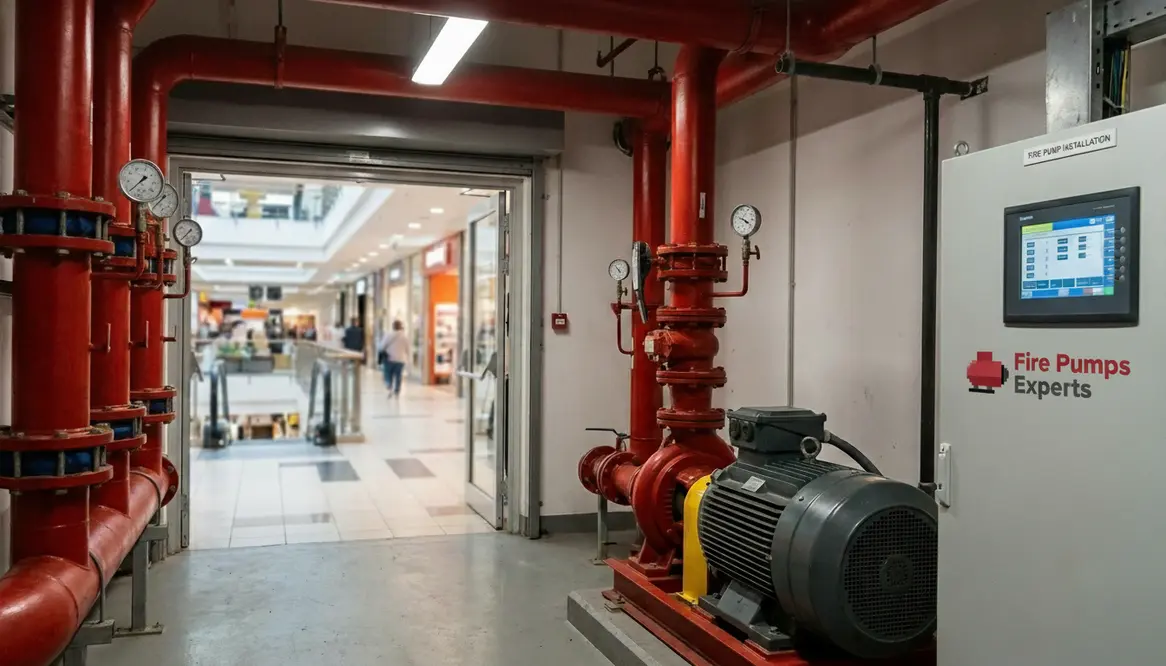
Fire Pump Code Requirements for Shopping Centres
Understanding fire pump code rules for busy retail hubs turns a complex safety topic into a clear, practical checklist that actually protects people, property, and business continuity.
Fire Pump Code Requirements for Shopping Centres Worldwide can feel like a maze at first, but I like to keep it simple: if water is the first line of defense, the fire pump is the muscle behind it. In large malls and retail complexes, that muscle must meet strict rules, because a small delay can turn into a very bad day very fast. I work from one clear idea here: the fire pump shopping centres worldwide must protect people, tenants, stock, and the building itself, all while fitting local code needs. That sounds serious, because it is. Still, with the right setup, the process becomes a lot less mysterious than a late season plot twist.
Quick snapshot
- Protect lives, tenants, and stock
- Match local and international codes
- Keep pressure and flow reliable under real fire conditions
- Design for testing, maintenance, and long-term resilience
Why shopping centres need fire pump code compliance
Shopping centres pack a lot into one place. You have wide corridors, busy food courts, storage rooms, underground parking, cinemas, and back of house zones all under one roof. Because of that, I treat fire pump design as a life safety core, not a box ticking task.
Most codes want reliable water pressure and flow for sprinklers, standpipes, or both. However, the exact demand changes by country and by the size and risk level of the property. For example, a multi level mall with dense retail space may need stronger supply pressure than a smaller center with lighter hazard loads. Also, local fire authorities may ask for extra checks where the site has large atriums or long pipe runs. In other words, the building layout can change the rulebook faster than a superhero sequel changes villains.
Key risks in large retail buildings
- Long travel distances for shoppers and staff
- Complex tenant fit-outs with mixed hazard levels
- Underground or multi-storey parking decks
- Food courts and kitchens adding heat and grease risks
- Large atriums where smoke behavior is harder to predict
How codes help control those risks
- Defined water demand for sprinklers and standpipes
- Minimum pressure at remote hose valves and heads
- Redundancy in power and water supplies where needed
- Clear rules for fire pump rooms and access routes
- Mandatory inspection, testing, and maintenance
What fire pump codes usually require
When I review fire pump shopping centres worldwide projects, I look for the same core items again and again. The details differ by region, yet the logic stays steady.
Common code points you will see repeatedly
- Adequate pump capacity based on sprinkler and standpipe demand
- Reliable water supply from tank, city main, or both
- Backup power or a second power source where required
- Pump room access that stays clear and secure
- Alarm signals, pressure switches, and monitoring
- Regular testing, inspection, and maintenance records
In many regions, standards such as NFPA 20, local civil defense rules, or national building codes guide the design. However, I never assume one standard fits all. A mall in the Middle East may face different authority checks than one in Southeast Asia or Europe. So, I always confirm the local code first, then match the pump system to the site risk. That step saves time, money, and a lot of awkward phone calls later.
How I check code demands for shopping centres worldwide
I start with the building use and the fire protection strategy. Then I compare the pump system against the site layout and the local code path. After that, I test whether the system can hold flow during peak demand. This matters because a pump that looks fine on paper can fail in a real pressure test if the pipe network is too long or the water source is weak.
Design checks and why they matter
Design point
Pump size
Water source
Power backup
Room access
Monitoring
Why it matters
Keeps sprinkler and hose demand covered
Prevents pressure drop during fire flow
Keeps the pump alive when the grid fails
Allows fast service and safe inspections
Flags faults before they become failures
Next, I check the fire pump room itself. Codes often require enough space for service, ventilation, drainage, and safe access. I also watch for flood risk, because a pump room that sits in a weak spot is basically a drum set in a rainstorm. It will not end well.
Regional code patterns I see most often
Across the world, the rules often follow a similar idea, even if the wording changes. North American projects often lean on NFPA based design. In parts of Asia and the Gulf, authorities may combine international standards with strong local civil defense review. In Europe, harmonized and national rules work together, so I always check both. Meanwhile, many large commercial hubs in Africa and Latin America use a mix of imported standards and local enforcement practices.
Patterns across regions
- North America: heavy reliance on NFPA 20 and related standards
- Gulf and parts of Asia: blend of international codes and strong civil defense review
- Europe: harmonized rules plus detailed national regulations
- Africa and Latin America: imported standards adapted to local practice
Why this matters for your project
That mix matters. For fire pump shopping centres worldwide, the smartest move is not guessing. The smartest move is confirming the authority having jurisdiction, the sprinkler design basis, and the pump acceptance test method before final approval. Otherwise, the project can stall right when the team thinks it is nearly done. And yes, that is the kind of surprise nobody wants before opening day.
Inspection, testing, and records I never skip
Codes do not stop at installation. They keep going through the life of the building. I always expect routine testing, weekly checks where required, and formal inspection logs. Pumps need to run. Valves need to stay set. Controllers need to show healthy signals. Also, diesel driven systems need fuel care, battery checks, and cooling attention. A lazy maintenance plan is not a plan. It is a wish in a hard hat.
Just as important, I keep records that show every test, fault, repair, and recheck. When an auditor or fire marshal asks for proof, good records speak louder than a thousand confident nods.
Lifecycle checklist for fire pump compliance
- Weekly or monthly test runs, as required by local rules
- Annual full flow tests to prove real performance
- Regular controller, alarm, and signal checks
- Fuel, battery, and cooling system care for diesel pumps
- Detailed logs of every test, repair, and reset
Where to look for guidance
For deeper technical guidance on fire pump shopping centres worldwide, specialist resources such as https://firepumps.org and local fire authority publications can be useful starting points, provided they are aligned with the authority having jurisdiction and current national standards.
FAQs for shopping centre fire pump code compliance
Final thoughts and next step
I see code compliance as part science, part discipline, and part calm judgment under pressure. If you manage a mall, retail complex, or major commercial property, I can help you review the system, compare it with local rules, and close the gaps before they cost you time or safety. So, if you need fire pump guidance for a shopping centre project, start with a proper code review and keep the system ready, tested, and built for the real world. When fire pump shopping centres worldwide projects are planned with that mindset, the result is a safer building, smoother approvals, and far fewer surprises when it matters most.