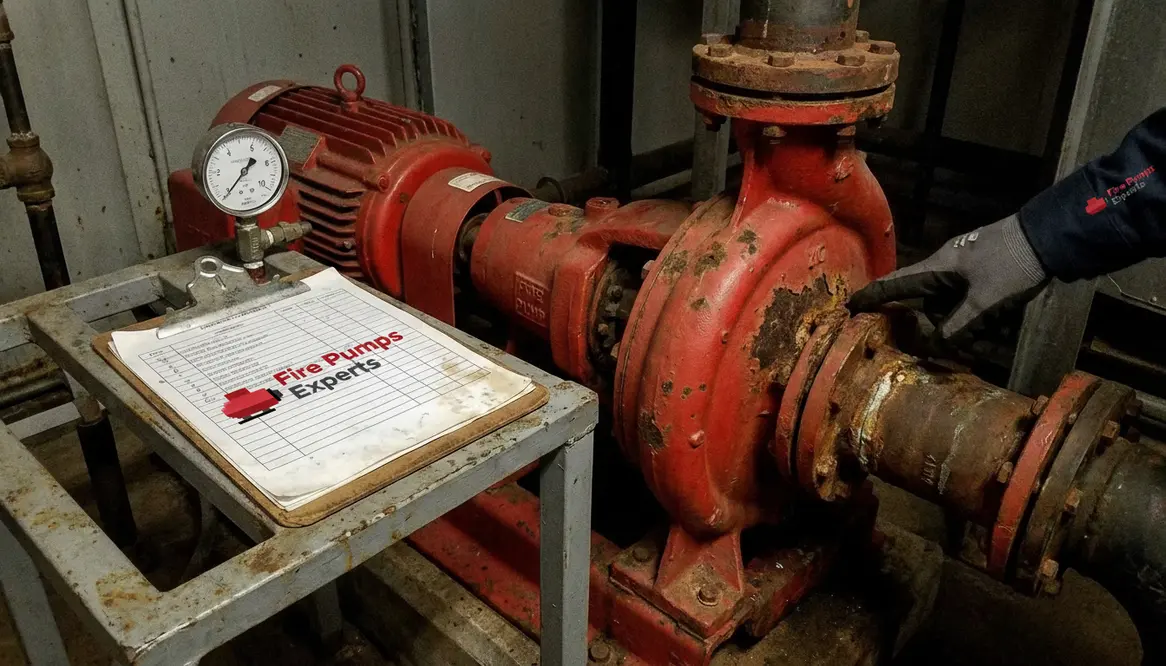
Fire Pump Replacement Guide: When Should You Replace a Fire Pump?
When I talk about fire pump replacement, I am not talking about a shiny upgrade for the sake of it. I am talking about protecting commercial and industrial facilities, where a failed pump can turn a routine day into a very bad headline. A fire pump is one of those quiet heroes that sits in the background, doing its job until the moment it has to save the whole show. And like any hero, it ages. So the real question is simple: when should I replace it, and when should I keep it running a bit longer?
In this guide, I will walk through the signs, the timing, and the practical checks I use to judge whether a pump still has life left in it. I will keep it plain, useful, and a little human too. After all, fire safety should be serious, but it does not need to sound like a robot wrote it after three bad coffees.
How I Know a Fire Pump Is Reaching the End
First, I look at performance. If the pump no longer holds pressure, struggles during testing, or takes longer to start, that is not a small issue. It is the system waving a red flag. In commercial and industrial buildings, even a slight drop in pressure can affect the whole fire protection setup.
Next, I check the age and service history. A well kept pump may last for years, but nothing lasts forever. If the unit has a long record of repairs, repeated seal issues, motor trouble, or bearing wear, I start thinking about a planned fire pump replacement instead of another patch job. You can only keep putting duct tape on a serious system for so long before the duct tape starts asking for hazard pay.
Also, I look at how often the pump has failed compliance checks or maintenance tests. If it keeps missing the mark, the problem is likely bigger than one worn part. At that point, replacement can be smarter than chasing one fix after another.
What Problems Point to Fire Pump Replacement?
Some issues are more than maintenance noise. They tell me the system is slipping into unreliable territory. Here are the signs I watch most closely.
Common warning signs
- Pump casing corrosion or major rust
- Frequent overheating during operation
- Unusual vibration or loud noise
- Loss of pressure during flow testing
- Electrical faults in the controller or motor
- Parts that are obsolete or hard to source
Corrosion matters a lot in older buildings and tough industrial sites. Once the pump body or key internal parts start to deteriorate, the risk rises fast. Likewise, if the controller fails or the motor keeps tripping, I do not just blame the weather and hope for the best. I treat it as a system reliability issue.
And yes, parts availability matters. If I need a rare component that has become the mechanical equivalent of a lost sequel, that is a strong sign to plan ahead. Waiting until something breaks on the worst possible day is not a strategy. It is a suspense movie with bad lighting.
When Should I Replace a Fire Pump Instead of Repairing It?
I usually lean toward replacement when the repair cost climbs too close to the cost of a new unit, especially if the pump has already had several major repairs. In that case, I am not just fixing a machine. I am paying to delay the same problem.
Another major reason is compliance. For commercial and industrial properties, the fire pump must support a dependable fire protection system and meet the right standards. If the pump no longer supports required performance, I treat replacement as a risk control decision, not just a budget line. That shift in thinking matters.
For a good reference on testing and maintenance expectations, I also look at AS 2419 fire pump testing and maintenance compliance in Australia, which helps explain how regular checks support safe operation and when system performance should raise concern. You can review it here: AS 2419 fire pump testing and maintenance compliance in Australia.
Quick Checks for Facility Managers
Before I call for a full replacement plan, I run through a short list. This helps me separate a small fault from a deeper failure.
Question
Has the pump failed multiple tests in a row?
Has the system needed repeated repairs in the last 12 to 24 months?
Are parts no longer easy to buy?
Does the pump still meet pressure and flow needs for the site?
What I look for
Repeated failure usually means the core issue remains.
Frequent repairs often point to deeper wear.
Obsolete parts make future downtime more likely.
If demand has changed, the pump may no longer suit the site.
If the answer to several of those is yes, I start planning fire pump replacement with a proper timeline. That timeline matters because major facilities cannot afford surprise shutdowns. A planned changeover lets me protect operations, schedule work, and avoid the kind of last minute panic nobody wants before lunch.
How I Plan a Fire Pump Replacement Without Chaos
I always start with a site review. Then I confirm the building’s fire risk needs, the pump size, the controller setup, and the flow and pressure targets. After that, I map out the replacement so the building stays protected during the work. That step is critical for large properties, warehouses, plant sites, hospitals, high rises, and other major assets where uptime matters.
Then I coordinate testing, installation, and commissioning. I also make sure the new pump fits the site’s system design, because the biggest mistake is swapping equipment without checking the full picture. A fire pump is part of a wider network, not a solo act.
That is why I treat every fire pump replacement as both an engineering project and a risk decision. The better the planning, the less dramatic the outcome when something eventually goes wrong in the real world.
FAQ
Final Thoughts and Next Step
If I see repeated faults, poor test results, corrosion, or parts trouble, I do not wait for a dramatic exit scene. I start planning fire pump replacement before the system fails when it matters most. For commercial and industrial facilities, that choice protects people, property, and business continuity.
If your pump has begun acting tired, now is the time to review it, assess the risk, and take the next step with confidence. A smart fire pump replacement today can prevent a costly emergency tomorrow and keep the quiet hero in your plant room ready for the one day it truly has to perform.