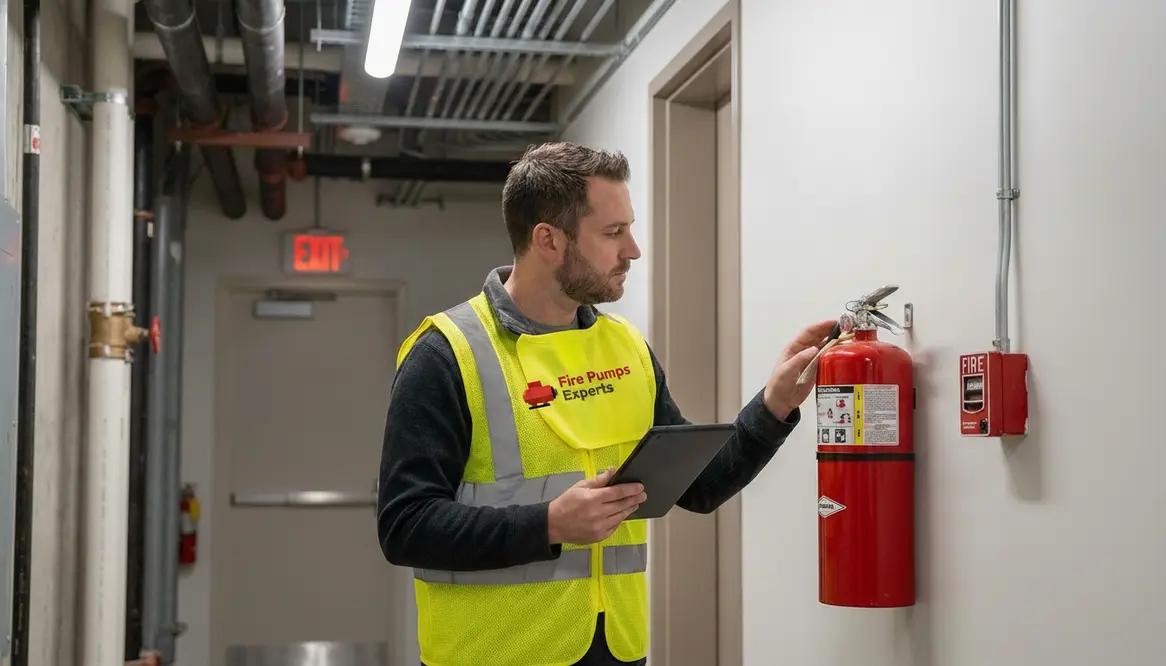
Facility Manager Fire Protection Responsibilities
A focused, practical look at the real work behind keeping commercial and industrial properties ready for the day the alarm is not a test.
Facility Manager Guide to Fire Protection Responsibilities
When I talk about facility manager fire responsibilities, I am talking about the quiet work that keeps a building open, people safe, and business moving. It is not glamorous. It is not the kind of task that gets applause at lunch. However, it is the kind of work that matters when smoke shows up and everybody suddenly remembers where the exits are. In commercial and industrial buildings, and in major property sites, I have learned that fire protection is not one job. It is a system of checks, records, drills, and fast action. And yes, it is far better than waiting for chaos to write the script.
Know the building, know the risk
I start with the building itself. Every site has a different fire profile, so I never assume one plan fits all. A warehouse, a plant floor, and a high rise office tower do not play by the same rules. As a result, I review the layout, the occupancy load, the stored materials, and the daily use of each space. I also look at hot work areas, electrical rooms, loading docks, and mechanical rooms because those spots love trouble like a bad sequel loves a reboot.
My fire protection checklist for commercial sites
First, I confirm that fire protection systems are in place and ready. Then I make sure inspections happen on time. I keep records clean and easy to find, because a missing log can create a bigger headache than a Friday alarm test. I also train staff on alarms, evacuation routes, and the right way to report hazards. In other words, I do not just manage equipment. I manage readiness.
What I inspect and document every month
I use a steady routine, and I never let it drift. The work stays simple only when I stay disciplined. Consistent checks are a core part of my facility manager fire responsibilities and keep small issues from becoming big scenes.
Dual column view — Left column
- Fire alarms and control panels
- Sprinkler heads and risers
- Fire extinguishers and access points
- Exit signs and emergency lighting
Dual column view — Right column
- Fire pump status and test results
- Smoke control equipment
- Clear paths to exits and panels
- Service records and repair notes
After that, I check for blocked exits, missing tags, damaged units, and expired service dates. Moreover, I verify that contractors follow site rules and local code requirements. This part may feel routine, but routine is what prevents a small fault from becoming a headline.
How I manage fire drills and staff training
I treat training like a live system, not a one time slide show that everyone forgets before coffee cools. I schedule drills, explain escape routes, and make sure people know where to gather after evacuation. Also, I train supervisors to account for teams fast. In large facilities, delay spreads confusion, and confusion spreads faster than bad gossip in a break room.
Because people act under stress the way they practice, I keep the guidance clear and simple. I show staff how to report hazards, when to use extinguishers, and when to leave the area. I also reinforce that no one should fight a fire if the situation grows fast or blocks the exit. That is where common sense beats movie logic every time. These habits are built into my everyday facility manager fire responsibilities so they never feel like a box-checking exercise.
Facility manager fire responsibilities during maintenance and vendor work
Maintenance days need close attention. I coordinate with outside vendors, verify permits, and confirm that service work does not interrupt fire protection coverage. If a sprinkler zone or alarm device must go offline, I make sure there is a short, controlled plan in place. I also notify the right people before work starts and after it ends.
For commercial and industrial properties, I pay special attention to fire pumps, water supply, suppression systems, and alarm panels. These systems do not enjoy guesswork. So I demand clear test reports, quick repairs, and proof that problems got fixed. If a service company says, “It should be fine,” I smile, then I ask for the record. Trust is good. Documentation is better.
Facility manager fire responsibilities when a problem hits
When I spot a problem, I move quickly. First, I judge the risk. Then I isolate the issue if I can do so safely. Next, I call the right maintenance partner, security lead, or emergency contact. Meanwhile, I keep the building team informed so nobody acts like a startled extra in an action scene.
I also protect business continuity. That means I plan for downtime, temporary coverage, and safe workarounds when a fire system needs repair. In major properties, this step matters because one missing component can affect large areas, tenant operations, or production schedules. A calm response saves time, money, and a great deal of drama. This is when solid facility manager fire responsibilities show their real value, long after the inspection sticker is printed.
FAQ for quick answers
Conclusion
If I want a safer site, I stay ahead of the fire risk instead of chasing it after the alarm sounds. That means steady inspections, solid records, trained staff, and quick action when something slips. I take facility fire duties seriously because commercial and industrial buildings deserve more than hope and a clipboard. If you manage a major property, now is the time to review your systems, tighten your process, and make fire readiness part of your daily rhythm. Your building will thank you in its own quiet way, and your facility manager fire responsibilities will feel less like a burden and more like a practiced skill you are glad you have.