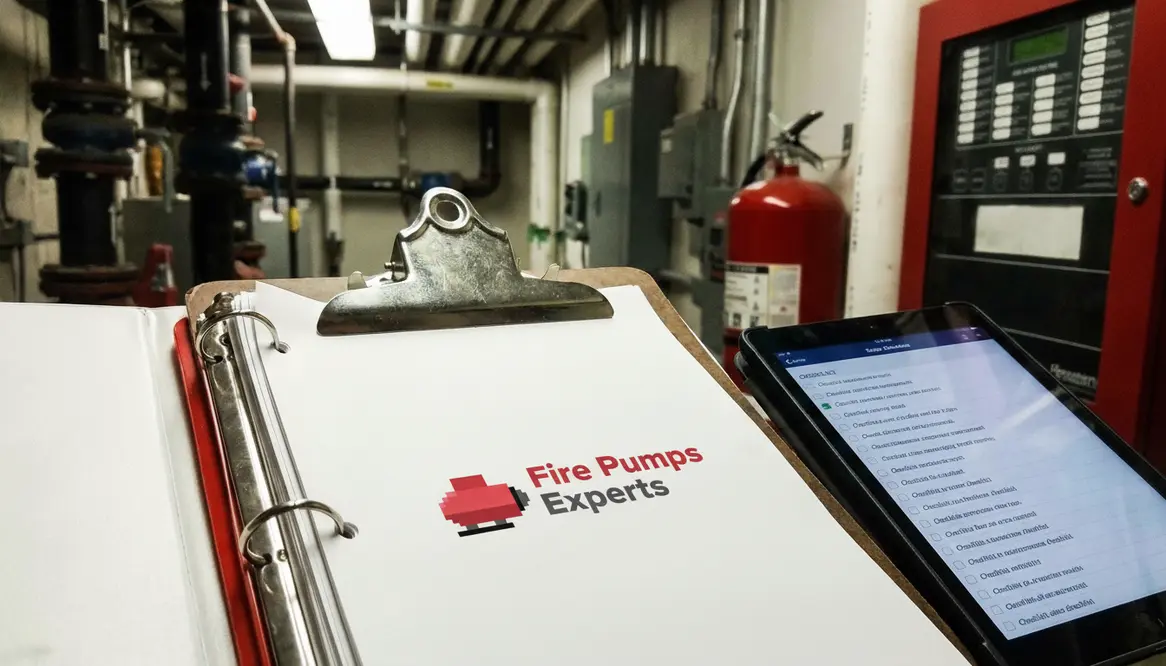
Fire Protection Maintenance Records Guide
Fire Protection Maintenance Record Keeping Guide
When I talk about fire maintenance records, I am talking about the paper trail that can save a building, protect a business, and keep a fire protection system ready when it matters most. In commercial and industrial facilities, and in major property buildings, these records do more than collect dust in a binder. They prove inspections happened, repairs got done, and equipment stayed ready for real use. And yes, I know paperwork is not the thrilling part of safety. It will never be the superhero cape. Still, when the alarms ring, a clean record file can feel like a standing ovation.
Why fire maintenance records matter in large facilities
I treat record keeping as part of the fire protection system itself. If I manage a warehouse, plant, hospital tower, or high rise, I need proof that sprinklers, pumps, alarms, extinguishers, and suppression systems got the care they need. That proof helps me spot repeat failures, track service history, and respond fast during audits or insurance checks. It also helps me avoid the classic office drama of, “Who last touched this unit?” because nobody wants that mystery on a Tuesday.
Good records also support code compliance. In big facilities, missed inspections can lead to shut downs, fines, or costly gaps in protection. Therefore, I keep every service note in one place, and I make it easy to find. A record that lives only in one technician’s head is not a record. That is folklore, and folklore does not pass an inspection.
What I include in fire maintenance records
I keep each entry simple, clear, and complete. The goal is not to write a novel. The goal is to show what happened, when it happened, and what was fixed.
Record details I always include
- Equipment identity: system name, location, and asset tag
- Date and time: when the inspection, test, or repair took place
- Service type: inspection, test, repair, replacement, or cleanup
- Findings: what worked, what failed, and what needs follow up
- Technician details: name, company, and credentials
- Next step: due date for the next visit or repair action
Why the details matter
In addition, I attach photos, reports, and parts lists when they help explain the work. That way, nobody has to play detective later. Clear details also make trend tracking easier. If one valve keeps failing, I want to see that pattern before it turns into a headline nobody wants. Strong fire maintenance records give me that early warning.
How I organize records for easy audits
Organization matters because busy facilities move fast. I sort records by site, system type, and date. Then I use a standard naming pattern so every file looks the same. That small habit saves time when an auditor, insurance rep, or plant manager needs answers right away.
I also separate active issues from closed items. This keeps urgent repairs visible and stops important tasks from hiding under old paperwork. Furthermore, I review records on a set schedule, not only after something goes wrong. That routine keeps the file current and keeps surprises off my plate. Surprise is great for birthday parties, not for fire pump testing.
Fire maintenance records workflow for commercial properties
For larger buildings, I follow a simple workflow that keeps records useful from the first inspection to the final sign off. I use it because chaos loves a weak system, and I do not give chaos a seat at the table. This is where consistent fire maintenance records stop being paperwork and start being protection.
- Step one: I log each service visit the same day it happens.
- Step two: I note any defects and assign a repair deadline.
- Step three: I confirm the repair and attach the follow up report.
- Step four: I store the record in a shared system with controlled access.
- Step five: I review older entries to spot repeat trouble and plan preventive work.
This workflow helps me protect multiple buildings, multiple floors, and multiple teams without losing control of the details. It also supports handoffs between facility staff, vendors, and safety managers. Nobody has to guess what happened last quarter, because the answer sits right there in black and white, backed by organized fire maintenance records.
Common mistakes that weaken record keeping
Habits that create gaps
- Waiting too long to file updates, so details get fuzzy and gaps appear
- Keeping records in different places, turning a simple search into a treasure hunt
- Skipping follow up notes after repairs, which makes the system look complete when it is not
The missing story in the file
Some teams save only the final report and ignore the field notes. That can hide useful clues. For example, a small pressure drop today may point to a bigger system issue next month. So I keep the full story, not just the polished ending. Batman may prefer the dark, but a good maintenance file should never hide in one.
How I build a reliable record keeping routine
I build reliability with a repeatable process. I assign ownership, set review dates, and use one template across every site. Then I train staff so they know what to record and where to store it. Consistency matters because a good system loses value when everyone makes their own version of it. That is how simple things turn messy.
For commercial and industrial facilities, I also recommend linking record reviews with seasonal checks, vendor visits, and emergency planning. This keeps maintenance from becoming a side quest. Instead, it becomes part of the main mission, which is to keep people safe and operations running. Well-managed fire maintenance records are the quiet backbone of that mission.
If you want sample templates and system outlines, resources at https://firepumps.org can help you map out inspection and testing expectations that pair well with your own fire maintenance records.
Frequently asked questions
Conclusion
If I want a fire protection program that holds up under pressure, I keep my records sharp, current, and easy to find. Strong documentation protects commercial and industrial facilities, reduces risk, and makes inspections far less painful. So I treat every service note like part of the system, not an afterthought. If your building needs a better record keeping routine, now is the time to tighten it up, clean it up, and keep it ready for the next audit.