Fire Protection Compliance Mistakes in Businesses
How small oversights around fire safety snowball into real risk for people, property, and operations.
Fire protection compliance mistakes businesses make
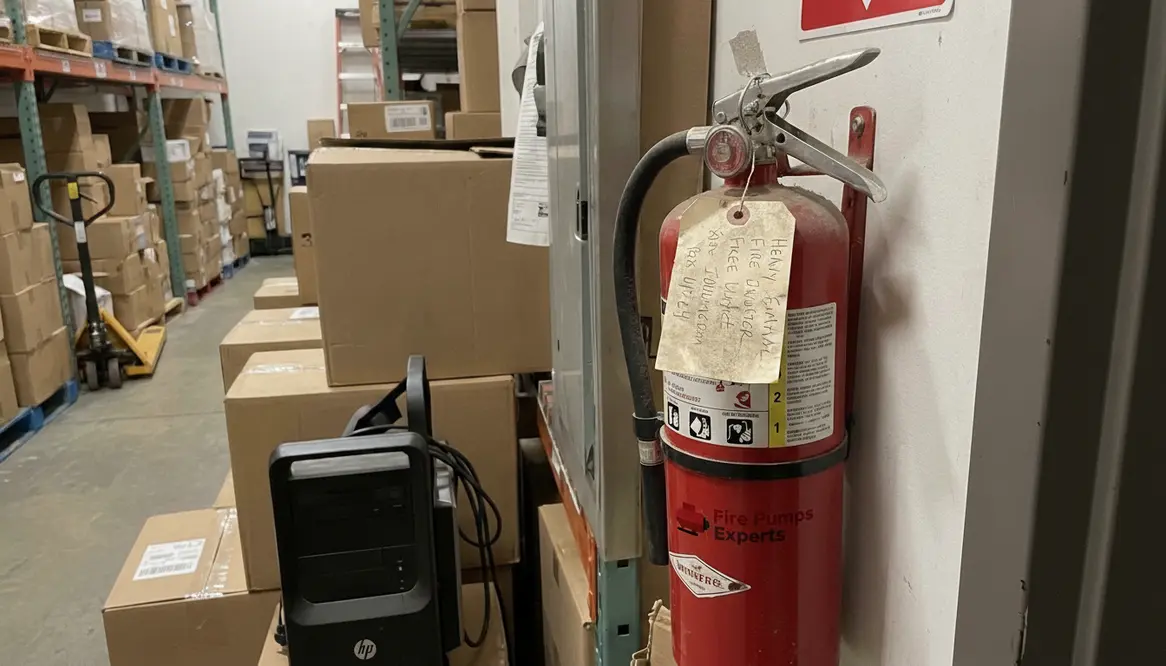
I have seen smart businesses stumble over fire protection compliance mistakes that felt small at first and turned costly fast. A missing inspection, a blocked extinguisher, or a skipped alarm test can turn into a major headache. And yes, the fire code does not care how busy your quarter was or how many meetings ate your week. In commercial and industrial facilities, compliance is not a box to tick. It is a living system that protects people, assets, and operations.
So, I want to walk through the most common slip ups I see in major properties, and I want to do it in plain language. No fluff. No smoke and mirrors. Just the real issues that cause trouble, plus what I would fix first if I were walking your site today.
Why these mistakes matter more than they look
Fire protection compliance mistakes rarely start with a fire. They start with shortcuts: a document that never got filed, a test that got pushed to “next month,” a pallet parked in front of a valve “just for today.” Over time, those small cracks line up. When something finally does happen, everyone acts shocked, even though the warning signs were quietly stacking up in plain sight.
The cost is not just fines or citations. It is downtime, insurance trouble, damaged inventory, lost trust, and in the worst cases, injuries. That is why treating compliance like a living process, not a dusty binder, separates resilient operations from the ones that hope for luck.
Why fire code rules fail in large facilities
In big buildings, fire safety breaks down when people treat it like a one time project. However, compliance needs steady attention. A warehouse, plant, office tower, or mixed use property changes over time. Equipment moves. Storage grows. Tenants change. Then suddenly, the fire plan on paper no longer matches the building in front of you. That is where many businesses slip.
One common problem is poor record keeping. If I cannot show inspection dates, repair logs, test results, and training proof, I have a problem even if the system works fine. Inspectors want evidence. Also, insurance teams want proof. In short, missing records can make a clean system look messy.
Another issue is weak ownership. When everyone thinks someone else handles fire safety, nobody really does. Therefore, I always want one clear person or team in charge. They should track deadlines, follow up on repairs, and keep the site ready for review. That simple step saves a lot of pain later.
Fire protection compliance mistakes in inspections and testing
This is where many sites get caught. They schedule tests, but they do not follow through on the right parts, at the right time, with the right people. Then the system starts looking fine from a distance, but the details tell a different story.
Here is a simple view of where failures happen:
Common lapse
Skipped alarm testing
Late sprinkler checks
Ignored extinguisher tags
Poor access around equipment
What goes wrong
The system may not alert people fast enough during a real event
Leaks, corrosion, or blocked heads go unnoticed
Units may be empty, damaged, or overdue for service
Staff cannot reach controls when seconds matter
After all, a fire system is like a superhero team. If one member stays home, the whole mission gets harder. I also see businesses forget to test after building changes. If walls move, storage changes, or electrical work happens, the fire system may need review. So, I always tell clients to treat every facility change as a compliance checkpoint.
Training gaps and the human factor
Technology helps, but people still make the biggest difference. If staff do not know what to do, the best system in the world can still fail under pressure. That is why training matters so much in commercial and industrial properties.
Employees need to know how to report hazards, clear blocked exits, handle alarms, and respond to drills. They also need to know who checks what. For example, maintenance teams should understand shutdown procedures, while managers should know escalation steps. Otherwise, confusion shows up at the worst possible time, which is not exactly the kind of surprise anyone wants before lunch.
Training must also stay current. New hires need it. Seasonal workers need it. And refreshers matter for everyone else. Furthermore, I find that short, regular sessions work better than one long lecture that feels like a college final. Keep it practical, site based, and easy to repeat.
Where systems fail inside major properties
Large facilities face special risks because they have more moving parts. That means more chances for error, especially when space gets used in ways the original plan did not expect.
Important areas to watch
- Storage that blocks sprinkler coverage
- Mechanical rooms with poor access
- Old fire doors that do not close fully
- Broken emergency lights in long corridors
- Backed up service logs after contractor work
Also, if a business adds new equipment, racks, partitions, or process lines, the fire plan may need a fresh look. Compliance is not a “set it and forget it” playlist. It is more like a long running series that keeps adding plot twists. And in this show, the villain is usually neglect.
If you want a deeper look at commercial system upkeep, I recommend reviewing commercial fire pump service for major properties as part of a larger protection plan. It helps connect equipment care with building wide readiness.
How I keep compliance simple and steady
I like to break the work into small, repeatable habits. First, I review the building layout and current use. Then I match that against inspection schedules, service records, and staff roles. Next, I look for changes that may affect fire safety. Finally, I make sure the site has proof ready for audits or visits.
That approach works because it stays practical. It does not rely on memory, and it does not wait for a problem to appear. Moreover, it helps businesses avoid the most expensive kind of lesson, which is the kind learned during an emergency. It also cuts down on the most preventable fire protection compliance mistakes by turning “once in a while” tasks into a normal rhythm of operations.
FAQ
Conclusion
Fire safety compliance works best when I treat it like an active part of operations, not a side task. Therefore, if your commercial or industrial property has grown, changed, or simply gone too long without a full review, now is the time to act. I would start with records, tests, training, and equipment access. Then I would bring in the right support to close the gaps before they turn into costly trouble. When you treat fire protection compliance mistakes as signals to improve instead of paperwork problems to ignore, you protect people, protect assets, and give your business room to grow without holding its breath.