Fire Pump Compliance Checklist PDF Guide for Inspections
A practical, field-tested way to keep fire pumps honest, inspectors happy, and downtime from getting ideas.
Fire Pump Compliance Checklist PDF Guide
When I look at a commercial or industrial property, I do not just see walls and wiring. I see risk, pressure, and a system that has to work when the heat is on, literally. That is why I rely on our fire pump compliance checklist to keep inspections sharp, records clean, and fire protection systems ready for action. In a building where seconds matter, a weak pump can turn a bad day into a very expensive one. So, let us walk through what I check, why it matters, and how a solid PDF guide can keep your facility in line without making compliance feel like a trip to the dentist.
Why this checklist matters
Your fire pump is not decoration. When it fails, people remember. A clear, repeatable fire pump compliance checklist keeps inspections consistent, test data organized, and responsibility obvious. That is a great way to sleep at night and a terrible place for excuses to live.
What I Check First in a Fire Pump Compliance Review
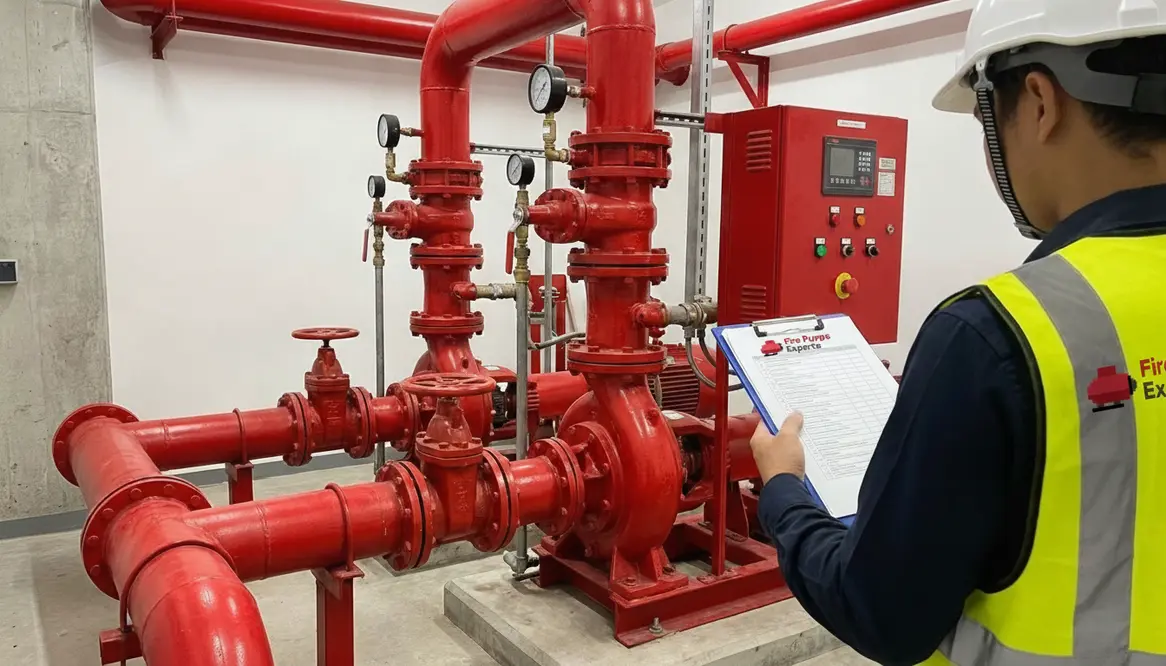
I start with the basics, because the basics are where most trouble hides. First, I confirm the fire pump matches the building demand and that the nameplate data agrees with the system design. Then I review the power source, control settings, and pump condition. If the pump sits in a hot room like it is starring in its own action movie, I check ventilation and temperature too.
Next, I look at the suction and discharge lines, valves, gauges, and backflow arrangements. I also verify that the pump room stays clear, dry, and easy to access. A fire pump needs space to work, not a storage closet for broken chairs and random boxes from 2017.
The Fire Pump Compliance Checklist PDF Guide I Use On Site
A good fire pump compliance checklist PDF guide gives me a clear path, and it keeps the team from guessing. I want a document that helps me verify the same key items every time, because consistency beats wishful thinking. It also gives owners, facility managers, and maintenance staff one shared reference point.
Here is what I include in the PDF guide:
Facility and system data
I record the building name, address, pump type, rated flow, rated pressure, and inspection date. This keeps the file useful for audits and for future service visits.
Visual condition checks
I inspect for leaks, rust, vibration, damage, and loose parts. I also confirm that labels, signs, and operating instructions stay legible.
Power and control checks
I review controller status, power supply, alarms, and battery condition where needed. If the controller looks confused, so do I, and that is never a good sign.
Water supply checks
I verify suction pressure, tank level if applicable, valve position, and any signs of blockage or poor supply. A fire pump without water is like Batman without the Batmobile. Still serious, but not very effective.
Test results and notes
I document flow readings, churn performance, abnormal noise, and any repair needs. Then I sign off clearly so the next person knows exactly where things stand. A structured fire pump compliance checklist keeps those details from disappearing into random notes and wishful memories.
How I Keep Commercial and Industrial Facilities Ready Year Round
Compliance does not work well as a once a year event. Instead, I treat it like a steady routine. For commercial and industrial properties, I build a schedule that fits monthly, weekly, and annual checks. That way, I catch small problems before they become headline material.
For example, I make sure trained staff know how to spot alarm issues, valve changes, and signs of wear. I also push for regular service logs, because paper trails matter when inspectors ask questions. If the records are thin, the building looks suspiciously like it has been winging it, and nobody wants that vibe.
Checklist rhythm that actually works
- Quick visual checks as part of regular rounds
- Documented monthly tests
- Thorough annual performance testing
- Clear follow-up on every deficiency
Each step ties back into the same fire pump compliance checklist so nothing slips through the cracks.
Simple Checklist Flow for Busy Teams
I like to keep the process easy to follow. So, I use this order:
- First, review the pump room and surroundings.
- Second, inspect the pump, controller, and water source.
- Third, run and record test data.
- Fourth, note repairs and schedule follow up.
- Finally, store the report in the PDF file and share it with the right people.
This flow works because it stays practical. Also, it helps busy teams move fast without skipping the stuff that really matters. When it is baked into a clear fire pump compliance checklist, nobody has to guess what comes next.
Why the Right PDF Guide Helps With Audits and Risk Control
A clean PDF guide does more than organize paperwork. It helps me prove that the system was checked with care and that the building took compliance seriously. That matters during insurer reviews, internal audits, and code inspections. It also supports risk control because it creates a clear record of what worked, what failed, and what needs action.
If I need extra guidance, I look for trusted industry resources and manufacturer support. For deeper technical help, I may reference commercial fire pump inspection resources to compare best practices and stay current on service standards. Good information saves time, and in this business, time is money and money likes to disappear at the worst moment.
Turning your checklist into real protection
A solid fire pump compliance checklist is not just a form; it is a script your team can follow under pressure. With clear fields for tests, deficiencies, and signoffs, your PDF becomes proof that you did not just hope for the best. You tracked it, fixed it, and can show exactly when it happened.
FAQ: Fire Pump Compliance Checklist PDF Guide
Need a Reliable Fire Pump Compliance Checklist PDF Guide for Your Property?
I can help you build a clean, practical process that fits your commercial or industrial facility and keeps you ready for inspections. Use a solid checklist, keep your records tight, and stay ahead of problems before they grow teeth. If your building runs on uptime, then your fire pump deserves the same respect. Reach out, and let us make compliance simple, calm, and ready for the real world.