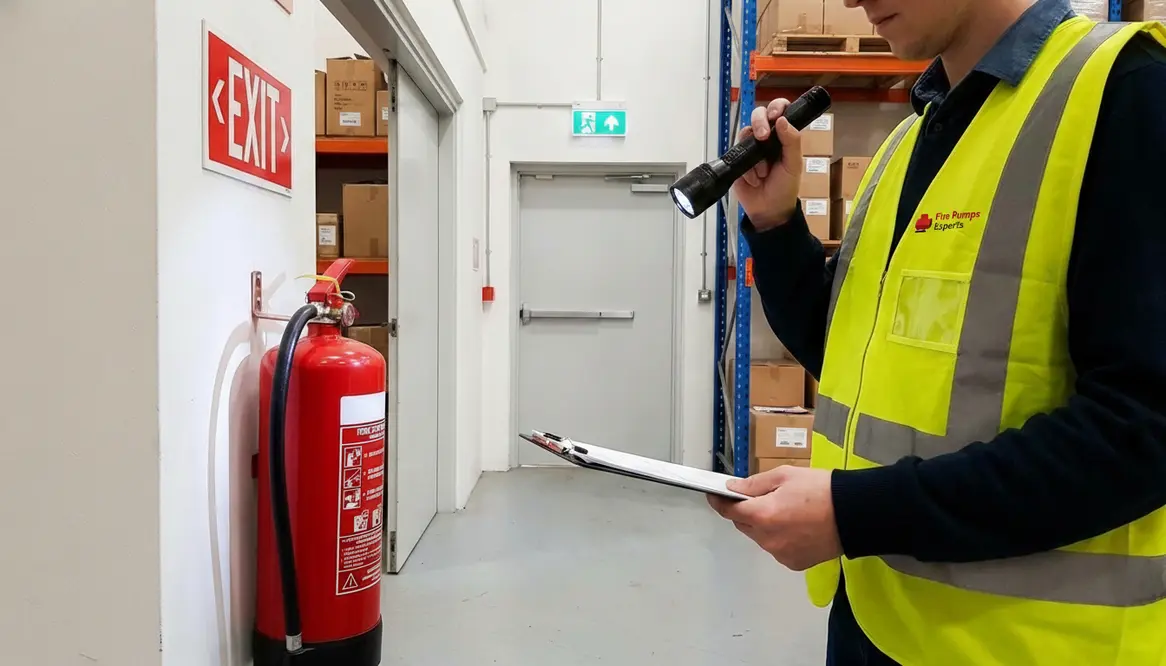
How I Prepare for a Fire Safety Inspection Checklist
How I Prepare for a Fire Safety Inspection
When I prepare for a fire safety inspection, I treat it like a quiet dress rehearsal before the big show. No one wants a surprise ending, especially when the guest of honor is a fire marshal. For commercial and industrial facilities, the stakes run high because one missed detail can slow operations, trigger fines, or expose people to real danger. So I take the process seriously, but I also keep it practical. After all, a safe building is not just compliant. It is calmer, cleaner, and far easier to manage when the pressure turns up.
Why this checklist matters
The way I prepare for fire inspection visits shapes how smooth the rest of the year feels. When systems work, exits stay clear, and the team knows what to do, inspections become simple confirmations instead of nerve‑wracking interrogations. This checklist keeps everything grounded in real‑world habits, not just code references.
What I check first before the inspector arrives
I always start with the basics. First, I walk the building as if I do not know it, because familiarity can make people blind to obvious issues. Then I look at exits, extinguishers, alarm pull stations, emergency lighting, and clear access to electrical rooms, mechanical spaces, and storage areas. Next, I check whether anything blocks pathways or equipment. A chair in the wrong place may seem harmless, yet it can become a stubborn little villain during an emergency.
I also verify that inspection tags, maintenance logs, and repair records are up to date. Inspectors want to see proof, not promises. Therefore, I keep documents in one place and make sure staff can find them fast. If I have a sprinkler system or fire pump, I review it carefully and make sure the service history is current. For larger properties, I often review commercial fire pump support for major facilities so I know the system will perform when it matters most.
How I fix common fire code problems
Once I find issues, I move on them quickly. I do not wait for the inspector to point out what I already know. Instead, I correct damaged exit signs, replace dead emergency lights, recharge extinguishers, and clear obstructed doors. Then I look at housekeeping, because clutter loves to sneak into warehouses, utility areas, and storage rooms like it pays rent.
I also review training. Staff should know how to report hazards, how to use extinguishers only when safe, and where to gather during an evacuation. Even a strong building can fail if people do not know what to do. So I make sure managers, supervisors, and shift leads can answer simple questions without guessing. That matters more than sounding polished. In a fire safety inspection, confidence backed by facts beats a smooth speech every time.
How I prepare the team and the records at the same time
Here is where things get easier when I think in two directions at once.
Team readiness
I brief key staff on the inspection date, the main systems to check, and who will escort the inspector. Then I remind them to answer clearly and only speak to what they know. A rushed answer can create confusion. So I keep it simple. If they do not know, they should say so and get the right person.
Paperwork readiness
At the same time, I gather fire drill logs, alarm tests, sprinkler records, extinguisher service reports, and any past correction notices. I place these in a clean folder, both digital and paper if possible. That way, I can show a full record without scrambling like I lost the remote during the final scene of a thriller. Good records tell a story of care, and inspectors notice that right away.
How I walk the property before the fire safety inspection
I always do one final walkthrough. During that pass, I look at the property from the inspector’s point of view. I check loading docks, storage racks, fuel areas, utility rooms, and any spot where heat, dust, or chemicals build up. I also confirm that fire doors close and latch properly. If I find a door propped open with a wedge or a box, I remove it. Fire doors are not there for decoration, no matter how hard someone wants to turn a hallway into a shortcut.
Next, I test visibility. I want every exit to stand out, every sign to shine, and every path to stay open. Then I confirm that any contractor work has not created fresh issues. In industrial and major commercial sites, repairs and upgrades can leave temporary hazards behind. Therefore, I check the area around them and document anything that still needs attention.
Fire safety inspection checklist I use
Below is the list I rely on most often when I prepare for fire inspection visits, whether the facility is small, sprawling, or somewhere in between.
- Clear all exits, hallways, and access points
- Test emergency lights and exit signs
- Check extinguisher tags and service dates
- Review alarm and sprinkler records
- Inspect fire doors for full closure and latch action
- Remove blocked panels, carts, boxes, and storage clutter
- Confirm staff training and evacuation roles
- Keep repair records ready for review
I keep this checklist close whenever I prepare for fire inspection meetings or unannounced visits, because it keeps attention on details that matter when alarms sound and people need to move.
Fire safety inspection FAQs
These are the questions I hear most often when people ask how to prepare for fire inspection visits without turning the entire week upside down.
Conclusion: what I do next
If I want the inspection to go smoothly, I start early, check the details, and keep my records in order. That simple habit saves time, reduces stress, and helps protect people and property. So I recommend making fire safety part of the normal routine, not a last minute scramble. If your facility needs support with commercial systems or large property fire protection, now is the time to act. Whenever I prepare for fire inspection schedules, I think about the people walking those halls in the dark during an alarm, not just the paperwork on the desk. A little preparation today can prevent a very expensive surprise tomorrow.