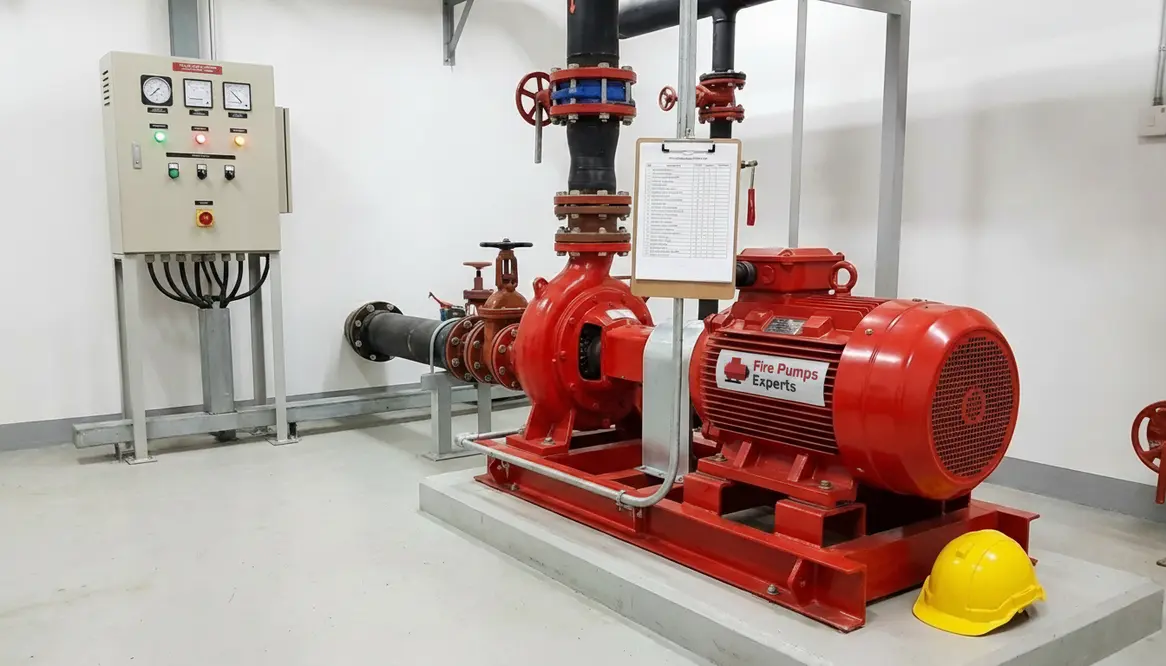
Fire Pump Room Maintenance Checklist for Buildings
Fire Pump Room Maintenance Checklist for Commercial Buildings
When I walk into a commercial building, I like to think of the fire pump room as the backstage crew of a big show. Nobody cheers for it, yet everything depends on it. That is why I use a fire pump room maintenance checklist to keep the system ready when pressure drops and panic rises. In a real emergency, the fire pump must work without drama, and honestly, that is the only kind of drama a property manager should welcome. So, in this guide, I will break down what to check, why it matters, and how to keep your pump room in solid shape.
Why I start with the fire pump room maintenance checklist
I always begin with the basics because the basics save lives and money. A fire pump room supports sprinkler and standpipe systems in large commercial and industrial buildings, so I treat it like a mission critical space. First, I inspect the room for clear access, proper lighting, and dry floors. Then I check the pump, controller, power supply, valves, and gauges. After that, I make sure the space stays clean and free of storage. No boxes, no old chairs, no mystery items from 2017. That kind of clutter turns a safety room into a garage episode nobody asked for.
Next, I confirm that the room has proper ventilation, because heat can shorten equipment life and cause weak performance. I also look for leaks, corrosion, and any strange sound that could point to wear. Finally, I verify that maintenance logs are current. If the checklist is missing records, then the checklist is doing cosplay, not compliance.
What I inspect during a monthly fire pump room check
Each month, I focus on signs that the system can still do its job under pressure. I test controller lights and alarms, confirm normal suction and discharge pressure, and inspect the pump casing for leaks. I also check valve positions, battery condition if the unit uses it, and the condition of wiring around the controller.
Here is how I break it down in practice:
Room conditions
Good lighting, clear pathways, no storage, safe temperature, and no standing water.
Equipment condition
No rust, no loose parts, no damaged pipes, no signs of overheating, and no unusual vibration.
Records and labels
Clear tags, readable instructions, updated inspection logs, and current service notes.
Also, I never ignore small issues. A tiny leak today can become a full headache tomorrow, and water always seems to find the most inconvenient path, like a plot twist in a streaming series.
How I test the system without wasting time
Testing matters because a fire pump is only as useful as its last proof of performance. I run no flow or churn tests based on the site plan and service needs, then I compare readings to expected values. If the pressure drops too fast, I investigate. If the pump starts hard, I look closer at the controller and power source.
In addition, I watch the pump while it runs. I listen for noise, check for excessive heat, and note any shake or uneven sound. Those are not details to shrug off. They often tell me more than the gauges do. I also make sure the test follows the building’s rules and the local code requirements for commercial and industrial facilities.
Dual column view of the most important maintenance tasks
Task
- Pump start up
- Pressure readings
- Valve position
- Leak check
- Controller status
- Ventilation review
Why I check it
- Confirms the system responds fast
- Shows whether the pump is holding proper force
- Prevents accidental shutoff
- Reduces damage and performance loss
- Confirms the unit can respond in an emergency
- Helps protect equipment from heat and moisture
Fire pump room maintenance checklist items I never skip
This is the part where details pay the bills. First, I review ventilation and compliance, because a pump room that traps heat can fail faster than a movie sequel nobody wanted. For a deeper look at room airflow and code needs, I often refer to commercial fire pump room ventilation and compliance standards for added guidance.
Then I check the following items without fail:
- Pressure gauges for accuracy and easy reading
- Suction and discharge valves for the correct open position
- Pump seals for leaks or wear
- Electrical connections for signs of damage
- Fuel or backup power support, where installed
- Housekeeping around the room so nothing blocks access
After that, I review the inspection log and compare it with past entries. Pattern matters. If the same issue keeps showing up, then the room is not just having a bad day. It needs a real fix. Keeping that fire pump room maintenance checklist updated gives me a quick, honest snapshot every time I open the door.
Over time, that same fire pump room maintenance checklist becomes a storyline for the building: which components age faster, which vendors do better work, and which problems love to repeat themselves. I use that history to adjust service intervals and to argue for budget before something fails at the worst possible moment.
When owners ask why they should care about one more form, I point to the fire pump room maintenance checklist as proof that the room is more than pipes and steel. It is a record of decisions, tests, and fixes that stands between a contained incident and a very public disaster.
Frequently asked questions about pump room upkeep
Conclusion
I treat fire pump room care as a serious habit, not a last minute rescue mission. A strong maintenance routine protects your building, your tenants, and your reputation. If you manage a commercial or industrial property, now is the time to tighten your process, review your logs, and schedule a professional inspection. Take the checklist seriously, because when the pressure rises, your fire pump room should answer like a pro, not improvise like a rookie.