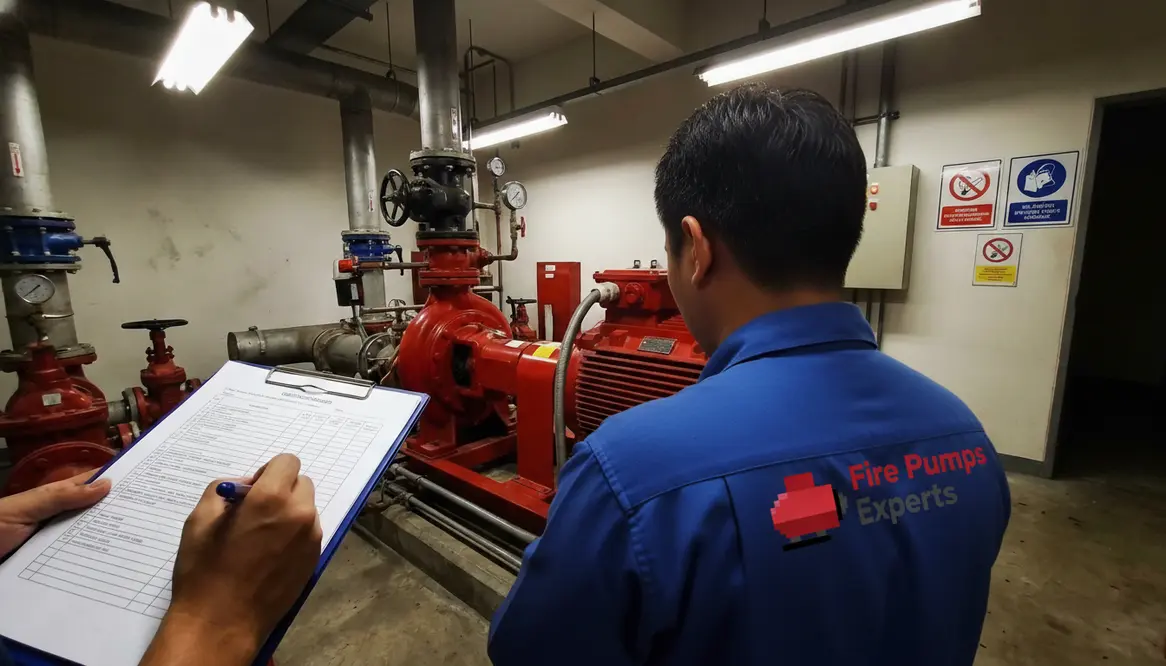
Fire Pump Room Inspection Checklist for Managers
A practical way to keep the quiet hero of your building ready for the loudest possible day.
Fire Pump Room Inspection Checklist for Facility Managers
I treat a fire pump room like the quiet hero of a building. It sits there, calm and unglamorous, until the day it has to perform like the final scene in an action movie. That is why I use a fire pump room inspection checklist every time I walk the space. It helps me catch small issues before they turn into big, expensive, and very dramatic problems. For commercial and industrial facilities, and for major property buildings, that kind of discipline matters. A good check keeps the system ready, the team confident, and the building far less likely to become a cautionary tale.
In this guide, I will show you what I look for, why each step matters, and how I keep the process practical. I will also connect the dots between daily care, code awareness, and real world risk. No fluff. Just the kind of detail that keeps a fire pump room from becoming a very noisy paperweight.
Quick Snapshot
Use this fire pump room inspection checklist to keep your room:
- Clear, dry, and accessible
- Compliant with ventilation and layout rules
- Ready to run on the worst day of the year
What I Check First in a Fire Pump Room
I start with the basics because basics save buildings. First, I confirm the room is clean, dry, and easy to access. Then I look for blocked doors, storage boxes, leaks, rust, and signs of heat or damage. If someone has turned the room into a storage closet, I treat that as a problem, not a personality quirk.
I also verify that the fire pump area stays secure. Unauthorized access can lead to tampering, missed alarms, or simple human mistakes. Next, I check that all labels, valves, and control panels remain visible and readable. If I cannot identify a part fast, I know the next person may struggle too.
At this stage, I also confirm that lights work and that the space feels safe to enter. A dark pump room is not mysterious or cool. It is just inconvenient, and sometimes dangerous.
How I Review the Equipment Without Missing the Details
Once the room itself passes the first look, I move to the equipment. This is where a strong fire pump room inspection checklist earns its keep. I check the pump casing, motor or engine, controllers, gauges, suction and discharge piping, and all visible fittings. I look for leaks, loose parts, vibration marks, corrosion, and anything that seems out of place.
Then I confirm that pressure readings sit where they should. A gauge that looks bored or stuck is usually trying to tell me something. I also make sure the jockey pump runs correctly, because it helps maintain pressure and reduces unnecessary main pump starts. That matters for equipment life and for budget, since nobody enjoys surprise repair bills.
Dual view of what I inspect and why it matters
| Item | What I look for | Why it matters |
| Pump and motor | Leaks, noise, vibration, heat | Helps me catch wear early |
| Controllers | Warning lights, error signals, damage | Confirms the system can start when needed |
| Gauges | Normal pressure readings, no stuck needles | Shows the system is holding proper pressure |
| Piping and valves | Corrosion, drips, blocked flow, tampering | Supports steady water delivery |
| Power supply | Normal status, no damage, clear access | Keeps the pump ready for action |
Where Facility Managers Should Focus on Safety and Compliance
After the equipment check, I shift to safety and compliance. I verify that the room has proper ventilation, because heat buildup can shorten equipment life and create a real safety issue. I also make sure the room follows the right layout and clearance rules for commercial and industrial use. If you want a deeper look at that topic, I recommend this guide to fire pump room ventilation and compliance standards. It gives helpful detail for major facilities that need to stay aligned with code and best practice.
I also check for emergency lighting, proper signage, and clear paths to all equipment. In an emergency, nobody has time for a scavenger hunt. I want every valve, switch, and control to be easy to reach. I also confirm that maintenance records are current. Good records help me spot trends, and trends tell a story before a failure does.
Finally, I make sure staff know who to call if something looks off. A great room still needs a sharp team around it.
How I Build a Routine That Actually Works
I do not rely on memory alone. Memory is charming, but it is not a maintenance plan. Instead, I set a routine based on daily, weekly, monthly, and annual checks. I use the fire pump room inspection checklist to keep those checks consistent, and I log every issue, fix, and follow up.
My core routine
- Daily quick walk-throughs
- Weekly checks of gauges and housekeeping
- Monthly reviews of pump runs and alarms
- Annual full inspection with service partners
Why the checklist matters
I also look for patterns. If the same seal leaks twice, I do not shrug and move on. I investigate. If one gauge drifts, I test the cause. This approach saves time and helps me avoid repeat failures. It also keeps service work focused on real risk, not guesswork.
When I train staff, I keep it simple. I show them what normal looks like, what sounds odd, and what signs need action now. That way, the whole facility stays alert, not just the maintenance office. Think of it as giving your building a better sixth sense.
Turning this into a working fire pump room inspection checklist
By now, this routine has turned into a practical fire pump room inspection checklist that covers the room, the hardware, the safety pieces, and the people who use it. I keep it visible, update it when code or equipment changes, and use it to keep inspections from becoming guesswork or memory games.
For facility managers, the checklist is not just paperwork; it is the thread that ties together daily habits, compliance, and real readiness. Used well, it makes the fire pump room less of a mystery and more of a controlled, predictable asset.
FAQ: Fire Pump Room Inspection Checklist
Conclusion
A fire pump room only looks quiet until it matters most. I use a clear routine, careful checks, and solid records to keep it ready for the real moment. If you manage a commercial, industrial, or major property building, now is the time to tighten your inspection process. Review your current plan, update your checklist, and make sure your team knows what to watch. The best time to fix a fire pump room problem is before it becomes a fire drill.