Commercial Fire Alarm Systems Complete Guide
When I talk about life safety in a commercial building, I start with the commercial fire alarm system. It does a lot more than make noise and send everyone running like a scene from a disaster movie. It detects danger early, alerts people fast, and helps protect property, staff, and visitors. In a busy office, warehouse, school, or industrial site, that early warning can make all the difference. And yes, the goal is simple: give people time to act before a small problem turns into a very expensive headline.
In this guide, I break down how these systems work, what parts they include, how to choose the right setup, and why maintenance matters so much. I also keep things practical, because nobody needs a fire safety lecture that sounds like a robot wrote it after three cups of coffee.
What a commercial fire alarm system does
A fire alarm system watches for signs of smoke, heat, flame, or manual alerts. Once it detects a threat, it sends a signal to the control panel. From there, the system activates alarms, strobes, and often building wide notifications. That quick chain reaction matters because every second counts when people need to move safely.
Modern systems can also connect to monitoring services, sprinkler controls, access systems, and emergency responders. So, while the sirens do the dramatic work, the panel does the thinking. Think of it as the building’s nervous system, only less moody than most people before lunch.
Key parts of a commercial fire alarm system
A complete system includes several parts that must work together. If one piece fails, the whole setup can stumble. Here is the basic lineup:
Detector and device layout
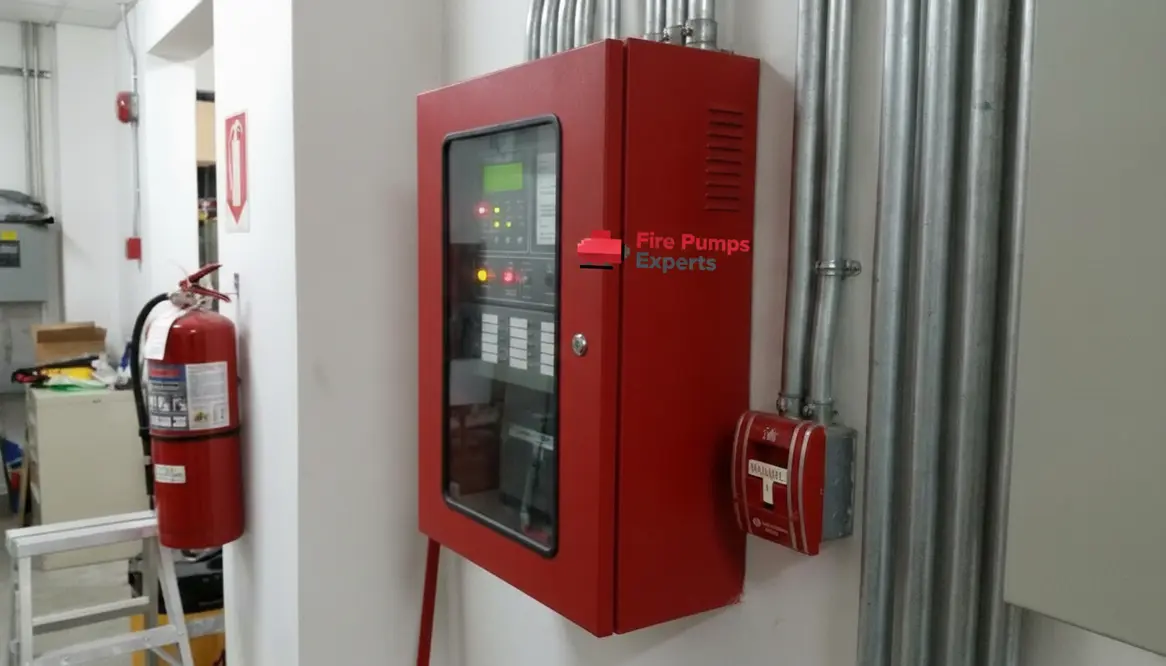
Detectors sense smoke or heat in the air. Manual pull stations let people trigger an alarm right away. Notification appliances, such as horns, speakers, and strobes, warn everyone inside. The control panel acts like the brain, while backup batteries keep the system alive during a power cut. That backup matters more than people think, because fire does not politely wait for the lights to come back on.
Detection side
- Smoke detectors
- Heat detectors
- Flame detectors
- Manual pull stations
Alert side
- Horn strobe units
- Voice evacuation speakers
- Control panel alerts
- Remote monitoring signals
How to choose the right setup for your building
I always start with the type of building, the risks inside it, and how people use the space. A warehouse does not need the same setup as a hotel or a data center. For example, dusty spaces may need different detector types because false alarms can waste time and create chaos. Nobody wants a system that cries wolf every time a forklift sneezes.
Size also matters. Larger buildings often need addressable systems because they show exactly where the problem starts. That makes response faster and more focused. If you manage a major property or industrial facility, you should also think about fire pump support and water delivery. For more on that part of the safety chain, I recommend this los angeles fire pump guide, since pump performance can shape the whole response in a serious event.
I also pay close attention to local code rules and occupancy type. In many cases, the safest setup blends detection, notification, and monitoring into one clear plan. If you want a broader view of service options and support, I suggest checking this commercial fire protection solutions resource for more context.
A well matched commercial fire alarm system design is not just about compliance. It is about reducing reaction time and making evacuation information clear enough for stressed humans to follow.
Why installation and maintenance matter
A fire alarm system is only as strong as its installation and upkeep. Even the best equipment can fail if the wiring is wrong, the devices are poorly placed, or the panel never gets tested. That is why I always treat installation as a precision job, not a quick weekend project before the big game.
Regular maintenance keeps the system ready. Testing confirms that detectors respond, alarms sound, batteries hold charge, and the panel communicates properly. Also, records matter. Good logs help prove compliance and show that the building owner takes safety seriously. That can save time, money, and a few gray hairs during inspections.
What I check during routine service
- Device function and coverage
- Battery health and backup time
- Panel trouble signals
- Alarm audibility and visibility
- Communication with monitoring services
- Condition of wiring and enclosures
Maintenance is what keeps your commercial fire alarm system from turning into a “paper system” that only looks good during inspections.
FAQ
Conclusion
If I want a building to stay safer, I do not treat fire alarms as background equipment. I treat them as a core business asset. The right design, clean installation, and steady maintenance can protect people and reduce loss when trouble starts. If you manage a commercial or industrial property, now is the time to review your system, check your coverage, and talk with a trusted fire safety team that knows the job well. Because when it matters, your commercial fire alarm system is the difference between “something might happen” and “we responded in time.”
In other words: plan it right, test it often, and keep your commercial fire alarm system ready for real life, not just the next compliance visit.