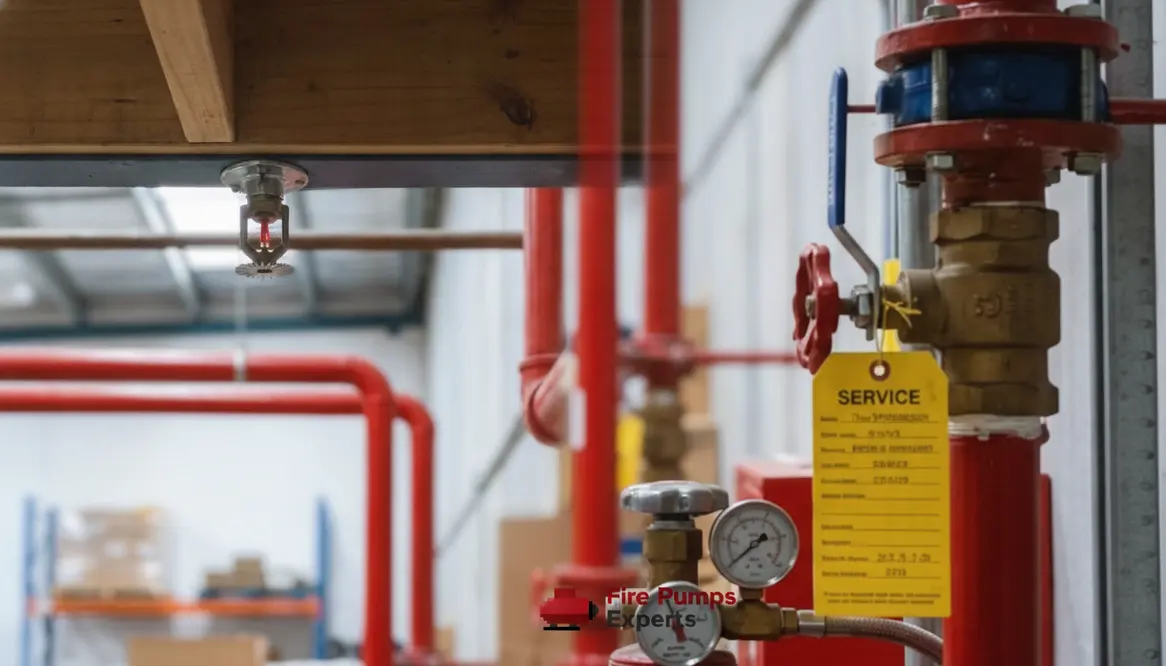
Fire Suppression Systems in Australia: A Complete Guide
When I talk about fire suppression systems, I am talking about the quiet heroes of commercial and industrial safety. They do not ask for applause. They just show up, do the job, and keep a building from turning into a very expensive campfire. In Australia, where compliance is serious and the stakes are higher than a final season plot twist, the right system matters. So, I am going to walk you through what these systems are, how they work, and what business and property leaders should know before choosing one.
By the end, you will understand the main options, the standards that shape them, and how to make a practical choice for a major building or facility.
What fire suppression systems do in Australian buildings
At the simplest level, these systems detect heat, smoke, or flame and then release an agent that slows or stops fire spread. That agent may be water, foam, gas, or a dry chemical, depending on the risk. However, the real goal is not just to douse flames. It is to protect people, reduce asset loss, and keep critical operations moving.
In commercial and industrial sites, this matters even more. A warehouse, plant room, data space, or high value property can lose millions in minutes. So, the right suppression setup needs to match the fuel load, the layout, and the business function. One size does not fit all. That approach belongs in socks, not fire safety.
Which system suits your site?
Different hazards need different answers. I like to think of it like casting a movie. You would not give the same role to every actor, unless you enjoy chaos.
Water based systems
Water based systems are common in many buildings. They work well for general fire risk and large open areas. Meanwhile, foam systems suit sites with flammable liquids, because they help smother vapours and cool the surface. Gas based systems often protect sensitive equipment rooms, where water could cause major damage. In contrast, dry chemical systems can handle fast moving fires in certain industrial settings.
Site type
Large warehouses, loading zones, plant rooms
Fuel storage, chemical areas, processing zones
Server rooms, control rooms, electrical spaces
High risk machinery or exposed industrial assets
Common match
Sprinkler or water mist style protection
Foam or specialised agent systems
Clean agent or gas suppression
Dry chemical or tailored hybrid protection
Quick reason
The hazard drives the agent, not the trend.
Foam and gas protection can reduce secondary damage.
Water mist can be useful where conventional sprinklers are too disruptive.
Hybrid designs help cover mixed risk areas.
Reality check
Even the best fire suppression systems need the right design basis.
A mismatched agent can mean slower control or avoidable damage.
Layouts, openings, and airflow matter more than people expect.
It is not guessing. It is engineering.
Australian standards and compliance
Now, here is where the paperwork earns its keep. Australia uses strict codes and standards to guide design, installation, testing, and maintenance. These rules exist for a reason. They help keep systems reliable, and they help building owners meet legal duties. Skipping compliance may feel faster today, but it tends to become very slow later, usually during inspections, claims, or emergencies.
I always recommend checking the building use, the fire engineering design, and any relevant state or local requirements. In major properties, compliance should also include clear records, routine checks, and verified service schedules. If you need a reference point for commercial fire safety support, I suggest reviewing Kord Fire protection services for a practical example of industry focused protection work.
How maintenance keeps systems ready
Even the best system needs regular care. Dust builds up. Valves age. Pressure changes. Control panels complain in their own silent way. So, ongoing inspection and testing matter more than most people think. A system that looks fine is not always ready. Fire safety has a way of humbling optimism.
For commercial and industrial facilities, I would treat maintenance as part of business continuity, not just compliance. Scheduled checks should confirm that pumps, alarms, nozzles, cylinders, and control devices all work as designed. Also, staff should know how the system operates and who to call if something feels off. That simple habit can save time, money, and a whole lot of drama.
Choosing the right partner for a major property
When I choose a provider, I look for more than a sales pitch and a shiny brochure. I want experience with large properties, clear advice, and a system design that fits real risk, not guesswork. The provider should understand operations, downtime limits, and the way each area in a building may need different protection.
It also helps to work with a team that can support pumps, controls, servicing, and upgrades over time. For an example of fire pump focused information, you can review los angeles fire pump solutions. Strong pump performance often sits at the heart of reliable suppression, especially in major facilities where pressure and delivery must stay steady.
FAQ
Conclusion
If I had to sum it up, I would say this: the right fire suppression systems plan is not a luxury, and it is not a box to tick after lunch. It is a smart business move. So, if you manage a commercial or industrial property, take the next step now. Review your risks, check your compliance, and speak with a specialist who understands major buildings. The right advice today can protect everything you have built tomorrow.