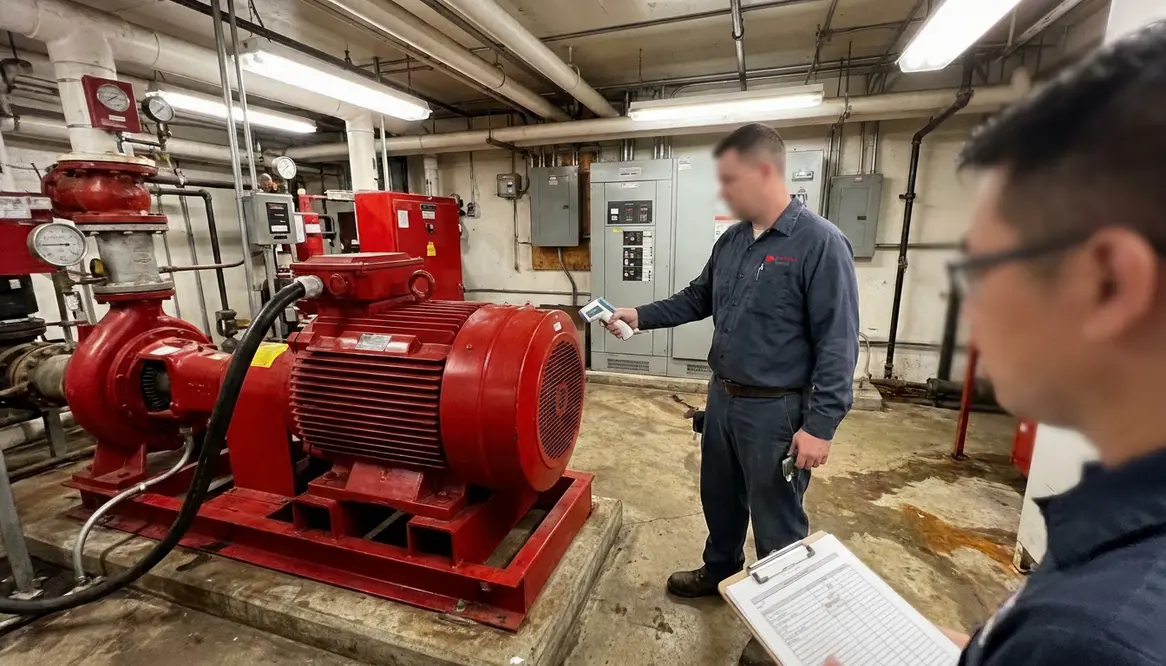
Fire Pump Motor Overheating: Electrical vs Mechanical
When I look at fire pump motor overheating, I do not treat it like a small hiccup. I treat it like a warning light on a plane. In a commercial or industrial building, that heat can point to deeper trouble, and it can threaten the whole electric fire pump system if nobody acts fast. That is why smart fire pump troubleshooting starts with one simple question: is the problem electrical, or is the machine fighting a mechanical issue?
In my experience, the answer matters because the fix changes completely. One side calls for testing volts, amps, and wiring. The other side asks about bearings, alignment, and friction. Miss the real cause, and you may end up buying parts like a person who thinks more coffee will fix a broken engine. Spoiler: it will not.
I also want to keep this practical. I am speaking here for commercial and industrial facilities, plus major property buildings where fire protection cannot take a day off. So let me walk you through the signs, the checks, and the fixes that make sense.
Quick way to tell electrical heat from mechanical heat
Electrical clues
- High motor current
- Low or unstable voltage
- Loose or damaged wiring
- Poor starter contact
- Overloaded circuit
Mechanical clues
- Rough bearing noise
- Vibration at startup or run time
- Shaft misalignment
- Pump drag or tight rotation
- Blocked or worn internal parts
That split gives me a fast first look. However, I never stop there, because heat often comes from two problems at once. A motor can run hot from voltage trouble, and then poor alignment adds more drag. That is how a simple issue turns into a full drama series, and nobody asked for that sequel.
Electrical causes in an electric fire pump system
When I suspect electrical trouble, I start with the supply. A fire pump motor needs steady power, clean connections, and the right load balance. If voltage drops, the motor works harder to do the same job, and heat rises fast. Also, if one phase runs weak or missing, the motor can pull extra current and cook itself like it has something to prove.
I check for loose terminals, contact wear, breaker issues, and signs of overheating in the starter. In addition, I look at motor amperage against the nameplate. If amps run too high, the motor may be overloaded or starved by bad power quality. In large facilities, long cable runs and old switch gear can make this worse. So can a recent system change that nobody mentioned during the meeting, which is classic.
Ground faults and insulation damage also matter. They can create hidden stress that builds over time. Therefore, if the motor heats up but the pump spins freely by hand and the bearings sound fine, I lean toward electrical checks first.
Mechanical causes that raise heat
Mechanical heat feels different. I often hear it before I see it. A bad bearing can growl, a shaft can wobble, and a misaligned pump can shake like it just heard bad news. When the pump and motor do not line up well, friction climbs and heat follows. The same thing happens when bearings wear out or lose lubrication.
I also check for impeller rub, seal drag, and blocked rotation. If the pump casing or shaft has debris, scale, or corrosion, the motor must fight extra resistance. That extra fight shows up as temperature rise, noise, and vibration. In a fire pump room, that is not just annoying. It is a risk.
Another issue comes from poor installation. If the base is not solid, or if the unit settles over time, alignment drifts. Then the motor keeps working against a load it should never meet. As a result, the heat problem grows even when the electrical side looks normal.
How I troubleshoot the motor step by step
I like to work in a clean order, because random guesswork helps nobody except the repair bill. First, I confirm the symptom. I check motor temperature, noise, vibration, and current draw. Then I compare the readings with the nameplate and system specs. After that, I inspect the supply power, starter, and wiring for signs of stress.
Next, I shut down the unit safely and test the mechanical side. I rotate the shaft, inspect the bearings, check coupling alignment, and look for signs of rubbing or wear. I also review recent service history, because a pattern often tells the truth before a meter does.
When I finish, I want one clear answer: is the heat coming from bad power, physical drag, or both? Once I know that, I can fix the root cause instead of chasing symptoms like a sitcom character chasing a squirrel.
What I check during fire pump troubleshooting in major buildings
For commercial and industrial sites, I always think beyond the motor itself. I look at room temperature, airflow, panel condition, and pump duty cycle. If the fire pump room runs hot, even a healthy motor can struggle. Likewise, if the pump starts too often, heat can build from repeated stress.
I also review system design and service records. A trusted source like los angeles fire pump service resources can help property teams stay on top of inspection and repair planning. For electrical coordination, commercial electrical service support can also help keep the supply side stable. And for system care across fire protection needs, fire sprinkler service guidance adds another layer of control for large properties.
FAQ
Conclusion
If I want a fire pump to stay ready, I do not ignore heat and hope for the best. I test the electrical side, I inspect the mechanical side, and I fix the cause before the system fails under pressure. If your facility handles critical fire protection for a large commercial or industrial property, now is the time to review your motor, your supply, and your service plan. Act early, stay ready, and keep the system built for the moment it truly matters.