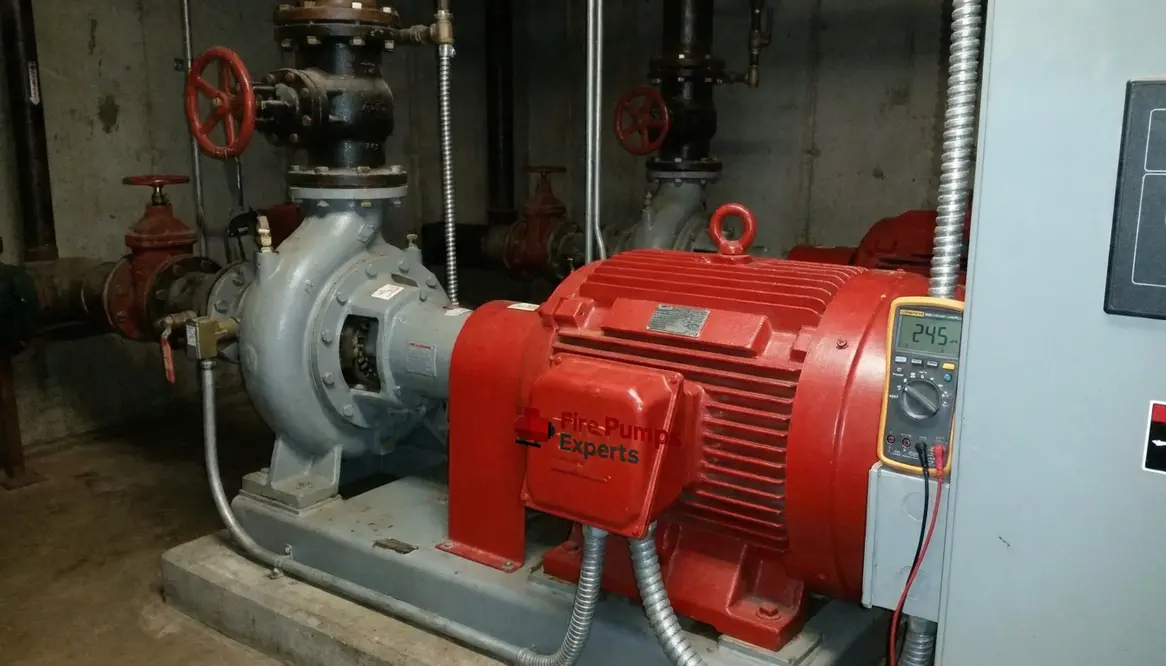
Fire Pump Motor Current Startup Causes and Checks
I have seen plenty of people look at an electric fire pump and wonder why the motor seems to gulp power like it just found the snack table at a late night movie shoot. In truth, fire pump motor current often runs high because the system must deliver instant pressure during an emergency. A fire pump motor does not get the luxury of a gentle start, and an electric fire pump must respond fast for commercial and industrial facilities, major property buildings, and other critical sites. So, when the current climbs, it usually points to the load, the starting method, or a system issue that deserves attention.
When I explain this to building teams, I keep it simple. The motor draws high current because it works against real resistance, not just theory on a page. And yes, that can make the electrical bill look like it came from a Marvel villain. Still, the goal is not to panic. The goal is to understand what drives the load, how the motor behaves, and what to inspect before a small issue turns into a very expensive headache.
Why the motor starts with such a big electrical pull
I always begin here because starting current causes most of the concern. At startup, the motor must overcome inertia in the pump, the shaft, and the water in the piping. As a result, the current rises sharply for a few seconds or more. This happens because the motor has not yet built enough speed to control the load well.
Also, the pump may sit under pressure. That pressure adds stress right away. If the pump starts while the system asks for a large flow, the motor works harder from the first moment. In simple terms, it is like trying to push a truck uphill while someone keeps adding cargo. Not ideal. Therefore, the initial current spike often tells me the motor is doing exactly what it was built to do.
What load conditions raise fire pump motor current
Common load causes
- Pump runs against high discharge pressure
- Impeller wear changes the hydraulic load
- Water supply issues force the motor to work harder
- Blocked valves or piping increase resistance
Common electrical causes
- Low voltage makes the motor draw more amps
- Loose connections create heat and poor performance
- Weak starter settings affect current draw
- Phase imbalance pushes one side of the motor too hard
After startup, I look at load conditions. If the system demands more water than the pump can move easily, the motor current climbs. Likewise, if the piping has a restriction, the pump must fight back harder. That extra effort shows up in the electrical readings. In many cases, the problem does not sit inside the motor at all. Instead, it hides in the system around it.
How voltage and wiring change the reading
Voltage matters more than many teams expect. When voltage drops, current often rises to keep the motor output up. However, the motor can only compensate so much. After that, it starts to struggle. Loose terminals, damaged cable runs, and poor supply quality can all cause this. I have seen a tiny wiring fault create a big current jump, and the fix was simple once someone finally checked the basics.
That said, phase imbalance can be even more troublesome. If one phase carries more load than the others, the motor heats up and loses balance. Over time, that can shorten service life and invite downtime. For a commercial tower, a warehouse, or a plant, downtime is not a fun plot twist. It is a business problem with a very unamused face.
Maintenance checks I trust first
When I inspect a high reading, I follow a clear path. First, I confirm the nameplate values and compare them to the actual readings. Next, I check voltage at the starter and motor. Then I look at the pump for signs of binding, worn parts, or poor flow. After that, I review the controller, because sometimes the issue starts there and spreads outward like gossip at an office lunch.
I also listen to the motor. A smooth hum is one thing. A harsh sound, vibration, or uneven start is another. Those clues matter because current alone does not tell the full story. Together, the electrical and mechanical signs give me the real picture. For more detail on system support, I recommend reviewing the los angeles fire pump service page and the fire sprinkler support overview. I also use the electrical services resource when I need a wider view of power and wiring issues.
When the reading is normal and when it is not
A high current reading is not always a failure. Sometimes it matches the design of the system, especially during startup or a heavy demand event. However, when current stays high for too long, I treat it as a warning. Persistent high current can mean poor voltage, worn pump parts, bad alignment, or a control issue. Therefore, I compare the reading to normal operation, not just to a single moment in time.
If the motor runs above normal while the system is idle, I get more concerned. That usually tells me something is off in the pump or the controls. And when a system protects a large building or industrial site, I want no mystery left unsolved. Fire protection should work like a quiet guard, not a drama series.
FAQ
Conclusion
If you manage a commercial or industrial property, take high current readings seriously and calmly. They often point to a clear cause, and a careful check can protect your system before trouble grows. So, if your fire pump keeps pulling more current than expected, act now, inspect the load, and bring in the right support. A well kept system gives peace of mind, and that kind of quiet confidence is worth every bit of effort.