Fire Pump Retrofit vs Replacement Cost Guide
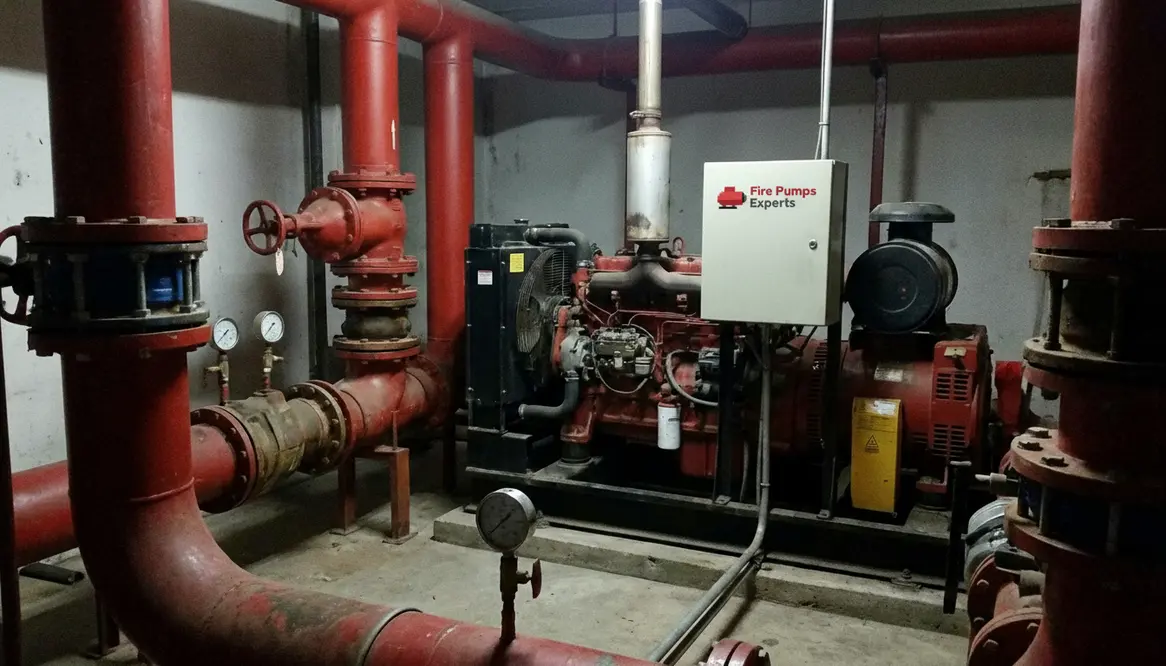
I have walked through many pump rooms that hum like the engine room of a spaceship. Pipes stretch across the ceiling. Control panels blink. And somewhere in the middle of it all sits the quiet hero of the building: the fire pump. When building owners call me, the conversation almost always lands on one thing fairly quickly. The fire pump retrofit vs replacement cost. They want to know if they should upgrade the system they have or start fresh with a new installation.
It is a fair question. After all, replacing a fire pump system in a commercial or industrial facility can feel like swapping the heart of the building. However, a retrofit can sometimes breathe new life into existing equipment at a fraction of the disruption. The trick is knowing when each path makes sense. Today I will walk you through how I evaluate that decision, what factors drive the numbers, and how facility managers can choose the smarter investment.
How I Evaluate Aging Fire Pump Systems in Large Facilities
When I enter a commercial pump room, I do not start by asking the age of the pump. Age matters, but it is rarely the full story. Instead, I look at performance, compliance, and how the system behaves under load.
First, I review the testing records. Annual flow tests reveal a lot. If the pump struggles to reach rated capacity or pressure, something inside the system is wearing down. On the other hand, if the pump still performs close to design levels, then the core equipment might have plenty of life left.
Next comes compliance. Fire codes evolve faster than movie reboots. A pump installed twenty years ago may still run perfectly, yet it might lack modern monitoring, controller standards, or alarm integration required today.
Finally, I evaluate the surrounding infrastructure. Controllers, valves, sensors, and electrical connections often age faster than the pump itself. In many facilities I see pumps that could run another decade, while the control system looks like it came from the era when flip phones were cutting edge.
Therefore, the decision rarely revolves around a single component. It is about the entire fire protection ecosystem inside the building.
When a Fire Pump Retrofit Makes the Most Sense
A retrofit is essentially a targeted upgrade. Instead of replacing the entire system, we modernize the components that limit performance or compliance.
In large commercial properties, retrofits often focus on three areas.
- Controller upgrades that meet current electrical and monitoring standards
- Instrumentation modernization such as digital pressure sensors and alarms
- Motor and drive improvements that increase efficiency and reliability
Because of this approach, retrofits usually involve less downtime. In hospitals, high rise office towers, and manufacturing plants, that advantage alone can tip the scale.
There is another benefit that many facility managers appreciate. Retrofits preserve existing infrastructure. The suction piping, discharge lines, and foundations remain intact. As a result, the work often moves faster and costs less than a full replacement project.
I sometimes compare retrofitting a fire pump system to restoring a classic car. The frame still works. The engine still roars. You simply replace the outdated pieces so the machine runs like it belongs in the present day rather than the past.
And yes, that analogy may make me sound like a mechanic who wandered into fire protection. I promise I still know my way around a pump curve.
When Replacement Becomes the Smarter Long Term Strategy
Of course, there are times when retrofitting starts to resemble patching a ship with duct tape. Eventually the math and the risk say the same thing. Replace it.
I usually recommend full replacement in several scenarios.
- Major mechanical wear inside the pump casing or impeller
- Frequent failures during annual testing
- Outdated designs that cannot meet current hydraulic demands
- Facility expansion that requires higher flow capacity
Industrial facilities often fall into the last category. When a plant expands production or adds square footage, the fire protection demand increases. The original pump may simply lack the horsepower to protect the new layout.
In those cases, replacing the system does more than solve a problem. It prepares the building for future operations.
Besides, if a pump has served faithfully for thirty years, giving it a graceful retirement is not the worst idea. Even superheroes eventually pass the cape to someone new.
Fire Pump Retrofit vs Replacement Cost for Commercial Buildings
Now we reach the topic every facility director eventually asks about. Budget.
The fire pump retrofit vs replacement cost varies widely depending on system size, building complexity, and code requirements. However, I can outline the general pattern I see across commercial and industrial projects.
Typical Retrofit Factors
- Controller modernization
- Instrumentation upgrades
- Electrical integration
- Minor mechanical refurbishment
- Shorter installation timelines
Typical Replacement Factors
- New pump and motor assembly
- Foundation adjustments
- Piping modifications
- Updated control systems
- Extended installation schedule
Because replacement involves larger mechanical work, the project budget naturally climbs. However, it can also deliver a longer operational lifespan and improved efficiency.
Meanwhile, retrofits usually cost less upfront and allow facilities to modernize critical components without rebuilding the entire system. For buildings where the pump still performs well, this route often provides the best value.
In other words, it is not just about price. It is about aligning investment with the system’s remaining life and the building’s future needs. When owners ask for real numbers behind the fire pump retrofit vs replacement cost discussion, I always bring them back to this balance between budget, risk, and long term performance.
How I Calculate Fire Protection ROI in Industrial Facilities
Once we move beyond the sticker price, the real analysis begins. I always calculate long term value rather than focusing only on initial cost.
First, I estimate the expected lifespan of the upgraded or replaced system. A new pump installation can operate for decades when maintained correctly. A retrofit may extend life ten to fifteen years depending on the equipment.
Next, I evaluate reliability. Industrial facilities cannot afford protection gaps. Even a brief shutdown can expose valuable assets to serious risk.
Energy efficiency also plays a role. Modern motors and controllers often reduce electrical demand during testing and operation. Over time those savings add up.
Finally, I consider inspection and maintenance costs. Older systems sometimes require specialty parts or extensive servicing. New equipment tends to simplify ongoing maintenance.
When facility managers see the numbers across a twenty year window, the decision often becomes much clearer. It turns a simple purchase into a strategic investment and puts the fire pump retrofit vs replacement cost question into a perspective that is easier to explain to finance teams.
How Facility Managers Usually Ask This Question
I hear a version of this prompt all the time: Should I retrofit or replace my fire pump system in a commercial building?
My answer comes quickly. If the pump still delivers strong performance and the structure around it remains sound, a retrofit often makes sense. It modernizes the system while keeping the installation efficient.
However, if mechanical wear, compliance issues, and capacity limitations all appear together, replacement usually becomes the safer long term solution.
The key is performing a detailed evaluation before making the call. Guesswork belongs in game shows, not life safety systems. When you understand the true fire pump retrofit vs replacement cost picture, you are not guessing: you are making a documented, defendable decision.
If you want a deeper look at how professional inspection and testing supports this decision, reviewing a dedicated fire pump service and maintenance program can give you a helpful benchmark for what a fully managed approach should look like over the life of your equipment.
FAQ
These are the questions I hear most often once the conversation turns to fire pump retrofit vs replacement cost and long term planning for commercial and industrial buildings.
Making the Right Investment for Your Fire Protection System
Every pump room tells a story. Some systems simply need a careful upgrade. Others deserve a fresh start. The smartest move begins with a professional evaluation that weighs performance, reliability, and long term value.
If you manage a commercial or industrial facility, working through the fire pump retrofit vs replacement cost question with someone who understands your building, your codes, and your risk profile makes all the difference. The goal is not just to spend less today, but to protect people, property, and operations for the next decade or more.
Our team can help you analyze your system and determine the best path forward. Together we will find the solution that keeps your building protected and your investment working hard for years to come.