Fire Pump Responsibilities Property Managers Irvine
How property and facility leaders in Irvine can turn an overlooked mechanical room into one of the most reliable risk-management tools in the entire building.
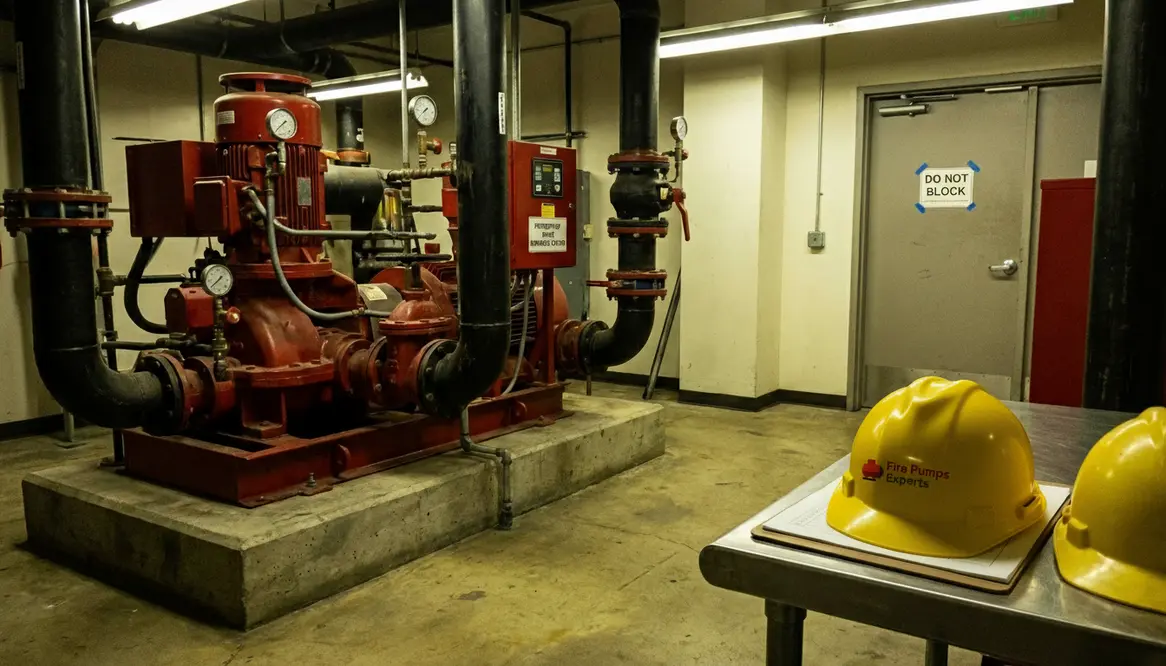
I have walked through many large buildings in Irvine at quiet hours. The lights hum. Elevators rest. Security monitors glow like tiny moons in a control room. And somewhere deep in the mechanical heart of that building sits a machine most people never think about until the worst day imaginable. The fire pump.
That is where the fire pump responsibilities property managers Irvine conversation begins. In major commercial and industrial facilities, a fire pump is not just equipment. It is the last line between a small incident and a disaster that makes the evening news. Property managers hold a quiet but powerful role in keeping that line strong. And while it might not be as glamorous as starring in a blockbuster action film, I promise the stakes are just as high.
Why This Hidden System Deserves Attention
When a fire starts in a high-rise, warehouse, or campus facility, there is no time to negotiate with water pressure. Either the fire pump delivers or you are explaining losses to investigators, insurers, and executives. Understanding how this system works, how it is tested, and what your role really is separates reactive managers from trusted leaders.
So let me walk you through it the way I explain it to building owners and managers. Slow, clear, and practical. Because when you manage a large facility, understanding this system is not optional. It is leadership.
Fire Pump Responsibilities Property Managers Irvine: The Core Role
In Irvine’s commercial and industrial buildings, the fire pump system serves one purpose. Deliver strong, reliable water pressure when the fire protection system demands it. However, owning a fire pump and managing it are two very different things.
As a property manager, I see three core duties that shape effective oversight.
- Operational readiness. The pump must start instantly and run at full performance during an emergency.
- Code compliance. California fire codes and NFPA standards require strict testing and documentation.
- Coordination with certified professionals. Specialists handle inspections, repairs, and testing while managers ensure nothing slips through the cracks.
However, the responsibility is not about turning wrenches. It is about oversight. Think of it like directing a film. You are not acting in every scene, but the production fails if you are not paying attention.
And trust me, local fire marshals do pay attention.
How Property Managers Keep Fire Pumps Ready in Large Facilities
First, I make sure the weekly and monthly testing schedule actually happens. It sounds simple. Yet in busy commercial properties, simple tasks often drift into the land of “we will get to it next week.”
Unfortunately, fire protection systems do not respect busy calendars.
Weekly churn tests verify that the pump starts properly. During these tests, technicians run the pump without flowing water to confirm that motors, controllers, and pressure sensors respond correctly.
Your Essential Testing Rhythm
- Weekly: Visual checks and churn tests where required.
- Monthly: Controller and system condition inspections.
- Quarterly: Broader fire protection system coordination checks.
- Annually: Full flow testing that measures output performance under load.
Furthermore, these inspections must be documented. Inspectors want clear records. Dates. Results. Notes. In other words, the boring paperwork that suddenly becomes very exciting during an audit.
I always tell managers the same thing. A well maintained logbook is the quiet hero of compliance.
Also, let us be honest. If a fire marshal walks in and the testing records look like a mystery novel with missing chapters, the conversation will not be pleasant.
What To Actually Look For During Fire Pump Oversight
I get this question constantly from property managers responsible for massive commercial buildings. They walk into the pump room and see gauges, valves, and control panels that look like the engine room of a spaceship.
So here is the simple version.
Operational Signs
- Normal system pressure
- No unusual vibration
- Clean pump room
- Accessible valves
- No water leaks
Administrative Signs
- Updated inspection logs
- Recent service reports
- Clear service tags
- Contracted fire pump specialists
- Code documentation on file
In other words, your job combines mechanical awareness with organizational discipline.
Also, do not ignore the pump room environment. I once walked into a mechanical room that doubled as a storage closet for holiday decorations. Inflatable snowmen leaned against the fire pump like they were guarding it.
Funny scene. Terrible idea.
Fire pump rooms must stay clear and accessible. Always.
The Compliance Side Of Fire Pump Responsibilities Property Managers Irvine
Now we enter the realm of regulations. And yes, I know compliance talk can feel about as exciting as watching paint dry on a concrete wall.
However, these rules exist because history proved they are necessary.
Commercial and industrial properties in Irvine operate under strict fire protection requirements based largely on NFPA 25 standards. These rules dictate inspection intervals, testing procedures, and documentation expectations.
Therefore, one of the most important aspects of fire pump responsibilities property managers Irvine involves working closely with licensed fire protection professionals who understand those standards in detail.
Partnering With Fire Pump Specialists
A reliable service partner typically handles:
- Annual flow testing
- Controller diagnostics
- Valve inspections
- Diesel or electric driver maintenance
- System performance analysis
Meanwhile, I make sure contracts remain active and service schedules never lapse.
Additionally, inspections by local authorities often review the following.
- Testing documentation
- Mechanical condition
- Alarm integration
- Accessibility of the pump room
If everything checks out, the visit is quick and painless. If not, well, imagine your least favorite school principal reviewing your homework.
Not fun.
Common Fire Pump Mistakes In Large Commercial Buildings
Even experienced property managers sometimes overlook a few details. And while none of these mistakes start with bad intentions, they can create serious risks.
- First, delayed testing schedules. When annual flow tests slip past the deadline, compliance issues follow quickly.
- Second, incomplete documentation. If inspections occur but records disappear, regulators assume the work never happened.
- Third, ignoring early warning signs. Slight pressure fluctuations or controller alarms may seem minor. However, these small signals often predict bigger mechanical issues.
- Finally, some facilities treat the fire pump room as spare storage space. Let me repeat this clearly. Mechanical rooms should never double as storage units.
Indiana Jones might enjoy discovering artifacts in a forgotten chamber, but your fire protection system should not feel like an archaeological dig.
Preventing these issues requires consistent oversight. When managers stay proactive, systems stay reliable.
Why Fire Pump Oversight Protects More Than Buildings
At first glance, the fire pump responsibilities property managers Irvine discussion seems purely technical. Pumps. Valves. Controllers.
Yet the real story runs deeper.
These systems protect thousands of employees, tenants, visitors, and critical operations inside large commercial properties. Data centers, distribution hubs, manufacturing floors, and high rise offices all depend on reliable fire protection.
Consequently, a well managed pump system protects:
- Human life
- Business continuity
- Property investments
- Insurance compliance
- Operational stability
From Mechanical Asset To Life-Safety Engine
When the system performs correctly during an emergency, most people never notice the reason. The sprinklers work. The fire stays controlled. The building survives. Quiet success. The best kind.
If you want a deeper technical breakdown of testing expectations, Kord Fire Protection’s overview of fire pump testing requirements is a helpful reference to pair with your on-site procedures.
FAQ About Fire Pump Systems For Commercial Property Managers
Property teams in Irvine ask many of the same questions when the topic of fire pump responsibilities comes up. Here are straightforward answers aligned with the day-to-day realities of running large facilities.
Conclusion
Managing a major commercial or industrial property in Irvine means carrying responsibility that many people never see. Fire protection systems sit quietly in the background until the day they matter most. That is why understanding the fire pump responsibilities property managers Irvine is essential. With the right inspections, documentation, and expert service partners, you keep your building protected and compliant. If your facility needs professional fire pump support, now is the time to bring in specialists who ensure that system stands ready every single day.