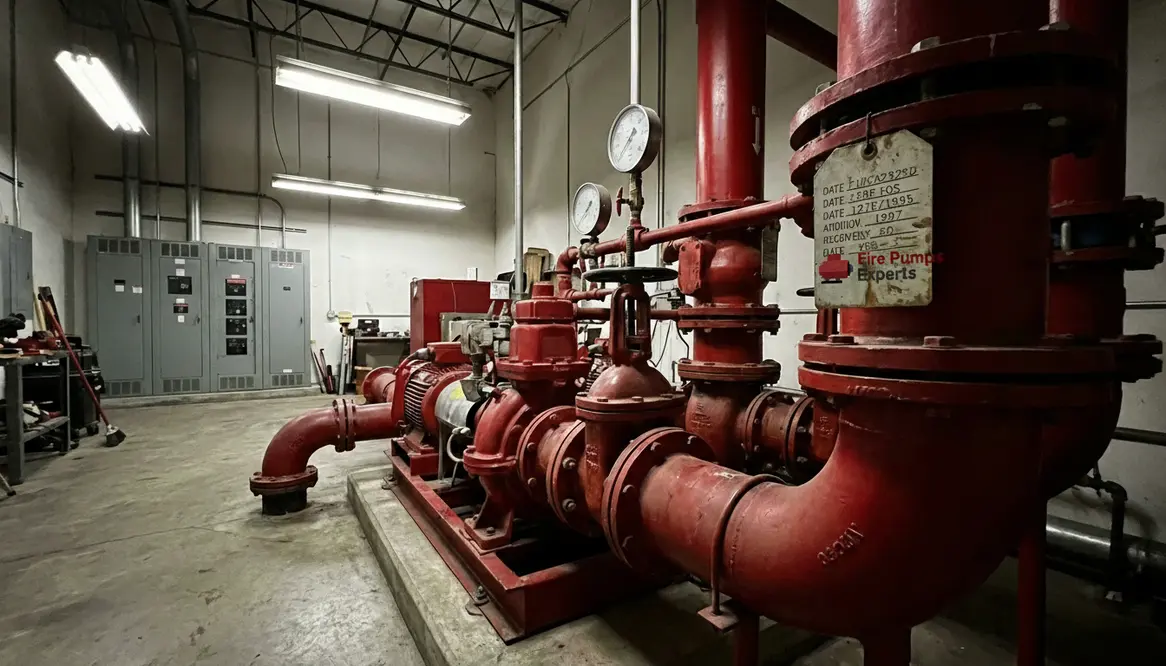
Commercial Fire Pump Lifespan: How Long Do They Really Last?
I have spent years around commercial and industrial facilities where reliability is not just nice to have. It is the line between order and chaos. One of the most common questions I hear from facility managers and property owners is about the commercial fire pump lifespan. In simple terms, people want to know how long these machines protect their buildings before they need replacement. The answer is reassuring. In many commercial systems, a properly installed and maintained fire pump can run reliably for 20 to 30 years or more. However, like any mechanical system, its life depends on maintenance, environment, usage, and good design. Today I want to walk you through what really determines how long these pumps last, why some run like champs for decades, and why others retire early like a rock star after one world tour.
Understanding the Real Commercial Fire Pump Lifespan in Major Buildings
In large commercial properties such as hospitals, warehouses, manufacturing plants, and high rise office buildings, fire pumps operate as the heart of the fire protection system. When sprinkler pressure drops, the pump steps in and pushes water through the system fast and hard. Think of it as the backup quarterback who suddenly becomes the star player when the moment arrives.
Most modern pumps installed in commercial and industrial facilities are built for longevity. Typically, the commercial fire pump lifespan falls between 20 and 30 years. However, I have personally seen pumps in older manufacturing plants still performing after 40 years. Of course, they were treated better than some people treat their classic cars.
Several factors influence how long a system lasts.
Key lifespan influences
- Quality of the original installation
- Regular testing and inspections
- Environmental conditions in the pump room
- Frequency of system activation
- Preventive maintenance programs
Because these systems are designed for emergency use, many pumps operate for years without ever experiencing a full scale fire event. Still, they must remain ready at a moment’s notice.
What Shortens or Extends a Fire Pump’s Service Life
While the design life of a fire pump can stretch decades, certain factors either protect that lifespan or slowly chip away at it. The difference often comes down to how the system is treated year after year.
Maintenance and operational habits
First, maintenance plays the starring role. Weekly churn tests, annual inspections, and proper lubrication keep mechanical parts moving smoothly. Without that care, bearings wear out, seals degrade, and motors strain.
Second, environmental conditions matter more than people realize. A clean, climate controlled pump room helps equipment last longer. Meanwhile, rooms with moisture, dust, or corrosion can age a system faster than a smartphone battery after a year of heavy gaming.
Third, system design makes a big difference. Pumps installed correctly with proper suction pressure and alignment experience less mechanical stress. Consequently, they operate efficiently and last longer.
Lastly, power source reliability affects long term durability. Diesel engines, electric motors, and controllers must function as a team. When one component struggles, the entire system works harder than it should.
In commercial facilities, these small factors add up over time. Therefore, a well managed pump system often reaches or exceeds its expected service life and stretches the practical commercial fire pump lifespan far beyond the minimum.
How I Evaluate Fire Pump Health in Commercial and Industrial Facilities
When I walk into a pump room, I treat it like a detective scene. The equipment tells a story if you know what to look for. The pump may be quiet, but its condition speaks volumes.
Here are several signs that reveal whether a system still has plenty of life left.
Performance indicators I always check
- Pressure readings during test cycles
- Unusual vibration or noise
- Controller alarm history
- Wear on couplings and bearings
- Flow test performance compared to original design
If the pump continues to meet required pressure and flow levels, that is a strong indicator the equipment remains healthy. However, if output slowly drops over time, the system may be approaching the later stages of its life cycle.
Interestingly, many pumps fail not because the pump itself is worn out, but because supporting components deteriorate. Controllers age. Valves stick. Electrical connections loosen. So in reality, the entire fire protection system must be evaluated as one unit.
What Facility Managers Really Want to Know: When Should a Fire Pump Be Replaced?
This is the moment where facility managers lean forward and ask the real question. Not when the pump was installed, but when it should be replaced.
The honest answer is that replacement depends on performance, not just age.
However, most commercial systems begin planning for replacement between years 25 and 30. At that stage, parts availability, efficiency, and reliability become bigger concerns. Nobody wants their emergency equipment behaving like an aging movie action hero trying to outrun explosions.
Signs replacement planning should begin include declining test results, frequent repairs, obsolete controllers, or difficulty sourcing parts. When these appear, a proactive replacement strategy becomes the smarter move.
Large commercial and industrial properties benefit most from long term planning. Replacing a pump during a controlled project costs far less than scrambling during an emergency failure.
And trust me, emergency replacements tend to come with stress levels that make coffee feel like water.
If you want a partner that lives and breathes this equipment every day, working with specialists such as Kord Fire’s fire pump service team can help you stretch the practical commercial fire pump lifespan while staying code compliant.
Maintenance Practices That Protect the Commercial Fire Pump Lifespan
Maintenance is where the magic happens. When facility teams follow proper testing schedules, pumps remain reliable for decades.
The most effective programs focus on consistent monitoring rather than reactive repair. In other words, catch small issues before they become large problems.
Core Maintenance Tasks
- Weekly churn testing
- Annual flow testing
- Controller diagnostics
- Bearing lubrication
- Alignment inspections
Operational Oversight
- Monitoring pressure readings
- Checking suction supply stability
- Ensuring clean pump rooms
- Reviewing alarm histories
- Updating maintenance logs
Because commercial properties operate at large scales, structured inspection programs provide the biggest benefit. Over time, consistent testing preserves reliability and extends the useful life of the equipment.
Additionally, routine oversight gives engineers a clear performance history. That information helps predict when upgrades may be necessary.
Think of it like regular health checkups. Ignore them long enough and surprises appear. Nobody likes surprises inside a fire pump room, especially when the goal is to protect and maximize the commercial fire pump lifespan.
FAQ About Fire Pump Longevity in Commercial Facilities
Below are concise answers to the questions that come up most often when people talk about fire pump aging, testing, and the realistic commercial fire pump lifespan in working buildings.
Planning Ahead Protects Your Facility
Commercial and industrial buildings depend on reliable fire protection systems every hour of every day. While a fire pump may operate quietly for decades, its readiness should never be taken for granted. If you manage a large facility, regular testing and expert evaluations protect both the equipment and the people inside your building. The right maintenance strategy keeps your system strong today while helping you plan smart upgrades for tomorrow and make the most of every year in the commercial fire pump lifespan.