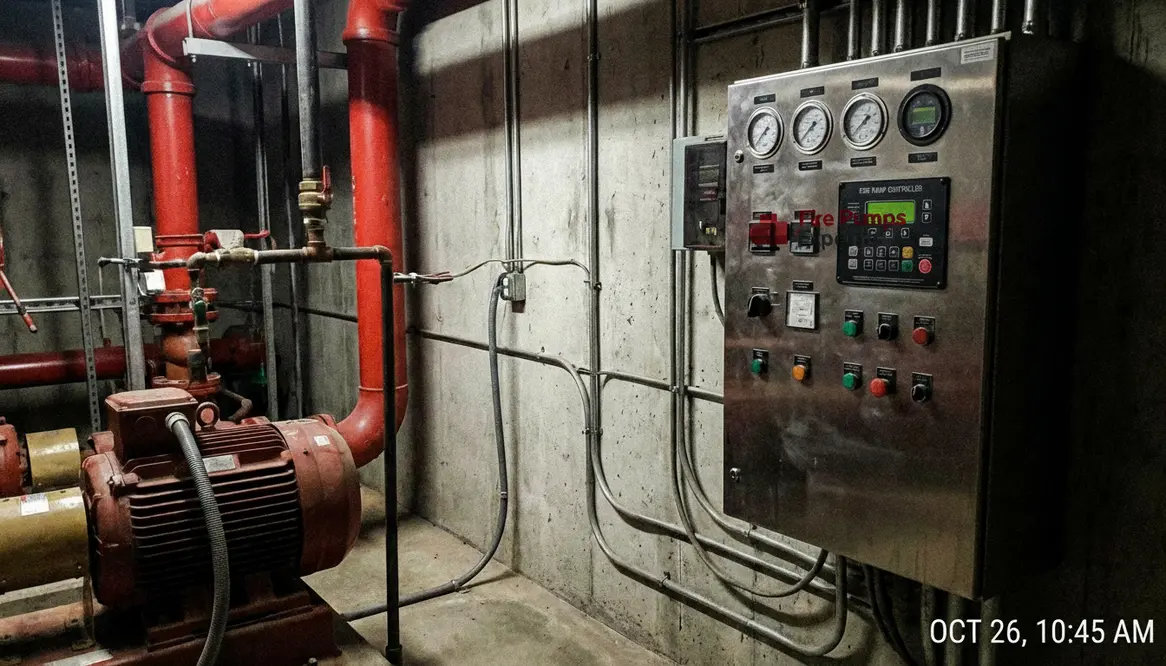
Fire Pump Controller Function Explained Simply
Why the “quiet box” in your pump room matters more than most people realize.
I have spent enough time around mechanical rooms to know that silence is comforting until it suddenly is not. When fire breaks out in a large facility, the one piece of equipment that quietly decides whether water flows with force or dribbles like a lazy garden hose is the fire pump controller. In simple terms, the fire pump controller function explained comes down to this. It monitors pressure in the fire protection system and automatically starts the pump when pressure drops during a fire event. That one action keeps water moving through sprinklers and standpipes when a building needs it most.
However, if you manage a commercial tower, hospital campus, warehouse complex, or manufacturing plant, you already know the story does not end there. Controllers coordinate signals, protect motors, and ensure compliance with codes that inspectors care deeply about. In other words, they are the calm conductor of a very loud emergency orchestra. And if you ignore them, well, the fire marshal will remind you. Politely. Usually.
How a Fire Pump Controller Actually Runs the Show
Most people assume the pump itself is the hero of the fire protection system. I understand the instinct. Pumps are big, loud, and impressive pieces of equipment. But the truth is simpler. Without a controller, that pump is basically a very expensive paperweight.
The controller constantly monitors system pressure through sensors connected to the fire line. When pressure drops below a set point, the controller immediately starts the pump motor. That motor could be electric or diesel depending on the building design. Either way, the controller handles the start sequence and keeps the pump running until the system stabilizes.
Equally important, controllers manage alarms, power status, and fault detection. For facility managers, that means you receive signals if power fails, a phase drops, or the pump fails to start. Consequently, these alerts help teams react before small problems grow into very uncomfortable meetings with insurance investigators.
Large commercial properties rely on this automated response because fires escalate quickly. While staff may react within minutes, the controller reacts within seconds. That difference is not trivial. Seconds can determine whether a fire remains contained to a room or spreads through an entire floor.
And yes, the system keeps running even if someone forgets about it for months. Although I would not recommend testing that theory unless you enjoy surprise inspections.
What Facility Managers Usually Ask: What Does a Fire Pump Controller Actually Control?
In plain language, the controller manages every operational signal that tells the fire pump when to start, when to keep running, and how to report its status. Understanding the full fire pump controller function explained story means looking beyond that single “start” command.
While that sounds straightforward, several layers of protection operate behind the scenes. Controllers monitor electrical integrity, verify power availability, and ensure motors start without damaging the equipment. Additionally, they interface with building alarm panels and supervisory systems.
For large commercial buildings, that coordination matters because fire protection systems rarely operate in isolation. They connect with:
- Fire alarm systems
- Supervisory monitoring stations
- Building automation systems
- Emergency power systems
Because of this integration, a controller becomes a communication hub rather than just a start button. It ensures that alarms report correctly, maintenance signals appear when needed, and emergency operations remain predictable.
I often explain it this way. The pump provides muscle, but the controller provides judgment. And in any crisis, judgment usually wins.
The Fire Pump Controller Function Explained in Real Facility Operations
Understanding the fire pump controller function explained becomes much clearer when you view it from the perspective of real building operations. In high rise commercial towers, hospitals, and distribution centers, water pressure requirements vary across multiple zones. Controllers ensure pumps activate quickly enough to maintain pressure across every level.
Furthermore, these systems must meet strict fire protection codes. Standards like NFPA 20 specify how controllers must start pumps, monitor faults, and operate during emergencies. That means facility managers cannot simply install equipment and hope for the best. Regular inspections, weekly churn tests, and annual performance checks remain part of the job.
In practice, controllers also protect equipment from unnecessary damage. Soft start mechanisms and controlled voltage application prevent electrical spikes that could burn out motors. Over time, this protection saves significant replacement costs. Pumps are not cheap. Anyone who has signed that purchase order knows exactly what I mean.
Meanwhile, modern digital controllers provide detailed event logs. These logs record start events, alarms, voltage conditions, and operational status. Consequently, maintenance teams gain valuable insight into how the system behaves over time.
And honestly, when inspectors ask questions, having that data ready makes everyone look a little more heroic.
Common Controller Features
- Automatic pressure based pump start
- Manual emergency start capability
- Power monitoring and phase protection
- Alarm communication with fire systems
- Event logging and diagnostics
Operational Benefits for Facilities
- Immediate fire response without human delay
- Protection for high value commercial assets
- Code compliance for inspections
- Improved maintenance visibility
- Reliable system redundancy
Mistakes I See Facility Managers Make With Controllers
Even experienced property teams occasionally overlook controller maintenance. After all, if the pump room sits quietly for months, it is easy to assume everything works perfectly. Unfortunately, fire protection equipment does not appreciate neglect.
One common mistake involves ignoring weekly test runs. These churn tests verify that the controller starts the pump correctly and that pressure readings remain stable. Skipping them is like never starting your car for months and then expecting it to perform during a cross country road trip.
Another issue involves outdated controllers. Older units may lack modern monitoring capabilities or compatibility with newer building systems. As facilities upgrade automation platforms, outdated controllers often become the weak link in communication.
Finally, some managers underestimate environmental conditions in pump rooms. High humidity, electrical dust, or temperature swings can slowly damage internal components. Over time, that wear increases the risk of startup failures.
Therefore, regular inspections and qualified servicing remain essential. In commercial and industrial properties, reliability is not optional. It is the entire reason the system exists.
How Facility Managers Can Keep Controllers Reliable
Maintaining fire pump controllers does not require superhero abilities. However, it does require consistency, and it starts with having the fire pump controller function explained to everyone on the team in language they actually use.
First, establish a routine inspection schedule aligned with fire protection codes. Weekly visual checks combined with scheduled operational tests help identify issues early. In addition, annual professional inspections verify electrical components and control logic.
Second, monitor alarm communication. Controllers should report status clearly to building monitoring systems. If signals fail to transmit, problems may remain hidden until an emergency occurs.
Third, keep documentation organized. Inspection reports, event logs, and service records help facility managers track trends over time. When something changes unexpectedly, historical data often reveals the cause.
Finally, partner with specialists who understand fire pump systems in large commercial environments. These systems protect major investments and thousands of occupants. That responsibility deserves more than guesswork.
And besides, the only surprise anyone wants during a fire inspection is how smoothly everything runs. If you want to see what comprehensive fire pump service and testing looks like in practice, take a look at how providers like Kord Fire handle fire pump service, inspection, and testing for demanding facilities.
FAQ: Fire Pump Controller Basics
Before wrapping up, here is the fire pump controller function explained in the form of common questions facility managers bring up during inspections and walkthroughs.
Protecting Large Facilities Starts With the Right Systems
Understanding fire pump systems gives facility managers a clear advantage. When you know how controllers monitor pressure, start pumps, and communicate alarms, you can spot problems early and maintain compliance with confidence. In other words, having the fire pump controller function explained in straightforward terms turns a mysterious panel in the pump room into a tool you can manage with intent.
If your commercial or industrial property relies on a fire protection system, expert inspection and service make all the difference. Work with specialists who understand high demand facilities and keep your pump controllers ready when seconds truly matter. The controller may sit quietly most days, but when it finally speaks up during an alarm, you will be glad you treated it like the decision-maker it really is.