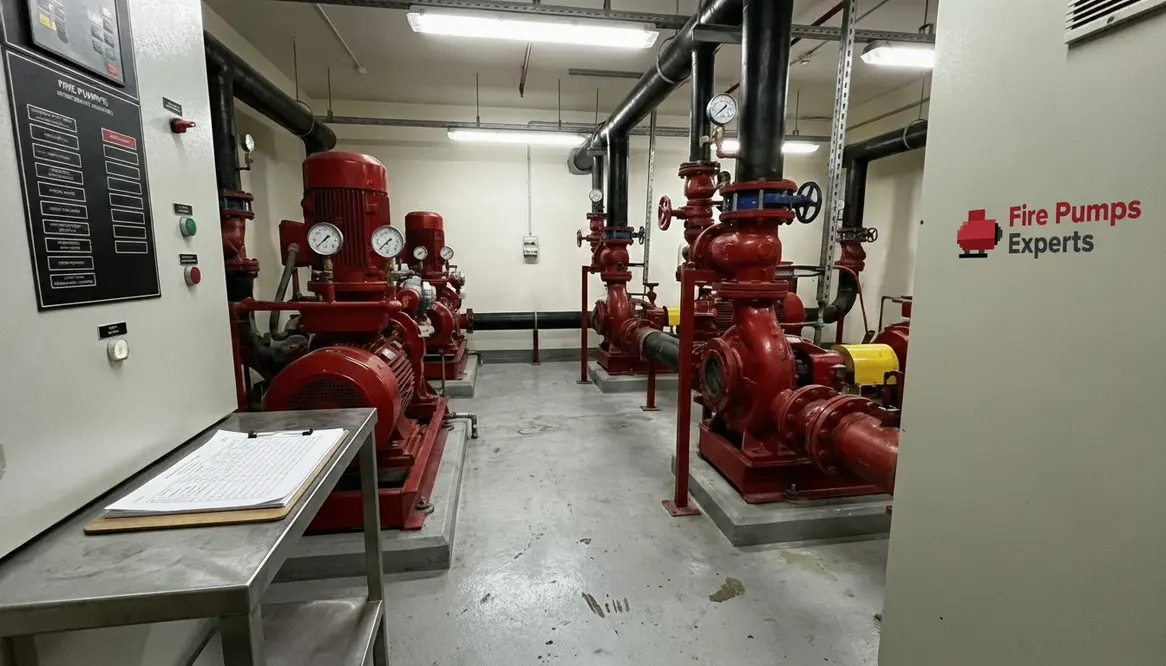
Abu Dhabi Fire Pump Compliance Civil Defence Guide
Abu Dhabi Civil Defence Fire Pump Compliance Guide
I have seen many commercial towers, industrial plants, and major property buildings treat fire pumps like silent background gear. Then one test day arrives, and the room gets very quiet. That is where Abu Dhabi Civil Defence compliance steps in. It is not just paperwork. It is the line between a building that is ready and a building that is merely hoping for the best. For owners and facility teams, the goal is simple: keep fire pumps ready, keep records clean, and keep the site aligned with local rules before anyone in uniform has to ask questions.
What Abu Dhabi Civil Defence expects from fire pumps
In plain terms, I focus on three things: correct setup, reliable performance, and proof that the system works. Abu Dhabi Civil Defence looks for fire pump systems that can support the building’s fire water demand when it matters most. That means the duty pump, standby pump, jockey pump, controls, valves, and power supply all need to work together. If one part fails, the whole chain feels it. And yes, the pump room should not look like a storage closet that lost a fight with old cartons.
I also pay close attention to the building type. Commercial towers, industrial facilities, and large properties usually need stronger planning, more testing, and better records. Because these sites carry higher risk, the review is more detailed. As a result, the system must match the approved design, and any change should go through proper review before use.
How I check fire pump compliance step by step
From drawings to real-world checks
I start with the basics and move toward the proof. First, I confirm that the fire pump set matches the approved drawings and specs. Next, I check pump size, driver type, suction and discharge piping, pressure settings, and controller status. Then I verify that the diesel tank, batteries, and power source all support the system as designed. A fire pump that looks fine but cannot start under load is like a superhero with a flat phone battery.
Testing under live conditions
I also test the system under real conditions. This includes weekly or scheduled checks, flow checks, pressure readings, start signals, alarm functions, and automatic changeover where it applies. In addition, I make sure the suction line has the right water supply and that the valves stay open and tagged. Small issues matter here. A loose coupling, a weak battery, or a stuck valve can become a big problem fast.
What documents I keep ready for inspection
Good compliance is not only about hardware. It is also about records. I keep the full fire pump file ready so the inspection runs smoothly instead of turning into a treasure hunt. This helps me show that the system has been maintained properly and that the site follows Abu Dhabi Civil Defence compliance expectations.
Dual column guide for site readiness
| What I keep | Why it matters |
| Approved drawings | Shows the installed system matches the plan |
| Test and inspection logs | Proves routine checks and response results |
| Service reports | Confirms repair work and system health |
| Defect closure records | Shows issues were fixed, not just noted |
I also keep commissioning reports, calibration records, and any official approvals tied to upgrades or replacements. If a pump was repaired, replaced, or retested, the paper trail should tell the full story. Otherwise, the inspection team may see a gap, and gaps tend to invite extra questions. Nobody wakes up hoping for extra questions before lunch.
When I raise issues before they become violations
I do not wait for a failed test to act. I look for warning signs early. For example, if the pump takes too long to start, if pressure drops too fast, if the controller shows faults, or if the diesel unit struggles on test, I treat that as a red flag. The same applies if maintenance visits keep finding the same fault again and again. That is not maintenance. That is the system begging for attention.
For commercial and industrial sites, delays can be costly. A weak fire pump can affect insurance, site approval, and emergency readiness. Therefore, I push for quick fixes, clear vendor support, and a clean retest after repairs. If the issue is design related, I recommend a formal review before anyone makes changes in the field. Fire safety loves order. Chaos, not so much.
How I keep commercial and industrial sites audit ready
Routine, ownership, and quick response
I build a simple routine. First, I assign a person to own the pump room checks. Then, I set a fixed schedule for testing, service, and record review. After that, I make sure the team knows how to spot a fault and report it fast. This reduces downtime and helps the site stay ready for inspection at any time.
Technical support for complex sites
I also use trusted technical support when needed. For large facilities that need deeper guidance, I review technical resources such as commercial fire pump compliance services to support planning, testing, and maintenance for major properties. That kind of help matters when the site is large, the risk is high, and the details refuse to sit still.
Above all, I keep the focus on performance. A compliant system should start when called, hold pressure when needed, and show clear proof that it stays in shape. That is the real goal behind Abu Dhabi Civil Defence compliance: not just passing inspection, but protecting the building, the people inside it, and the business that depends on both.
Abu Dhabi Civil Defence compliance FAQ
Conclusion
If you manage a commercial or industrial property, I suggest treating fire pump compliance as a daily habit, not a yearly scramble. Keep the system tested, the records clean, and the repairs prompt. That way, you stay ready for inspection and ready for real life. If you want support with fire pump planning, testing, or maintenance for a major building, now is the time to act before a small issue grows teeth and before Abu Dhabi Civil Defence compliance turns from a quiet file in a cabinet into a very loud topic in the pump room.