AS 2419 Fire Pump Water Supply Checks Guide
AS 2419 Fire Pump Water Supply Requirements: What I Check First for Commercial and Industrial Sites
When I look at AS 2419 water supply requirements, I focus on one thing first: can the fire pump get a steady supply when it matters most? For commercial and industrial buildings, that answer has to be clear, fast, and backed by solid design. A weak supply can turn a serious system into a very expensive paperweight. Nobody wants that kind of plot twist. In this guide, I walk through the core checks I use, how I read the standard in real projects, and what building owners should keep in mind before they commit to a pump set or tank setup.
What AS 2419 Water Supply Means in Real Projects
In simple terms, AS 2419 sets the rules for fire pump water supply so a fire system can deliver the needed flow and pressure under emergency conditions. I treat it as the backbone of the pump room, not just a box to tick. For large properties, warehouses, plants, and high value sites, the supply must stay reliable during peak demand and during trouble. That means I check source type, storage, suction conditions, and the chance of loss or restriction.
Also, I never assume a site has enough water just because the main line looks big. Size alone can lie. I review the full path from source to pump and then from pump to system. If the supply cannot support the fire demand, the whole design needs another look. That is where careful planning saves money, time, and a lot of future stress.
How I Check Fire Pump Supply Capacity
First, I look at the available flow and pressure at the point where the pump draws water. Then I compare that with the system demand and the expected losses through pipes, valves, and fittings. This part matters because a pump does not work in a vacuum. It works inside a chain, and every weak link affects performance.
Supply checks in practice
- I confirm the source can meet the required fire flow for the required duration.
- I check static and residual pressure, because both affect pump performance.
- I review suction pipe size and layout to reduce friction loss.
- I look for any risk of blockage, drawdown, or loss during an emergency.
- I confirm the supply stays dependable for commercial and industrial use, not just on a calm day when everything behaves itself like a polite sitcom guest.
Moreover, I pay close attention to demand spikes. Industrial sites can have large suppression loads, and major properties can need high volumes in a short time. If the supply swings too much, the pump may struggle. That is why I treat supply verification as a live system check, not a desk exercise.
Source Types and Storage Options I Review
When I assess a site, I usually see one of three supply paths: town main, on site tank, or a combination of both. Each option has a place, but each also brings its own risks. A town main can work well if it is strong and stable. However, some sites need stored water because the main alone cannot guarantee enough flow. In that case, tanks give more control, which is a very nice thing when fire does not care about local water mood swings.
For major commercial and industrial properties, I often look at whether the storage gives enough time for the fire system to do its job. I also check make up arrangements, because a tank that refills too slowly can create a hidden weak spot. Furthermore, I review access, maintenance space, and any risk of contamination or freeze issues. A supply only helps if it stays usable.
Dual Column View of Key Supply Factors
Factor
Source reliability
Storage volume
Suction design
Pressure stability
Why it matters
It decides whether the pump has water in an emergency
It supports required run time
It helps the pump draw water smoothly
It keeps performance steady under load
Design Details That Can Make or Break Compliance
Next, I look at the fine print in the design. Suction layout matters more than many people expect. Long runs, sharp bends, poor valve placement, and undersized pipe can all hurt the supply before the pump even starts doing its job. Therefore, I want a clean, direct path from source to pump.
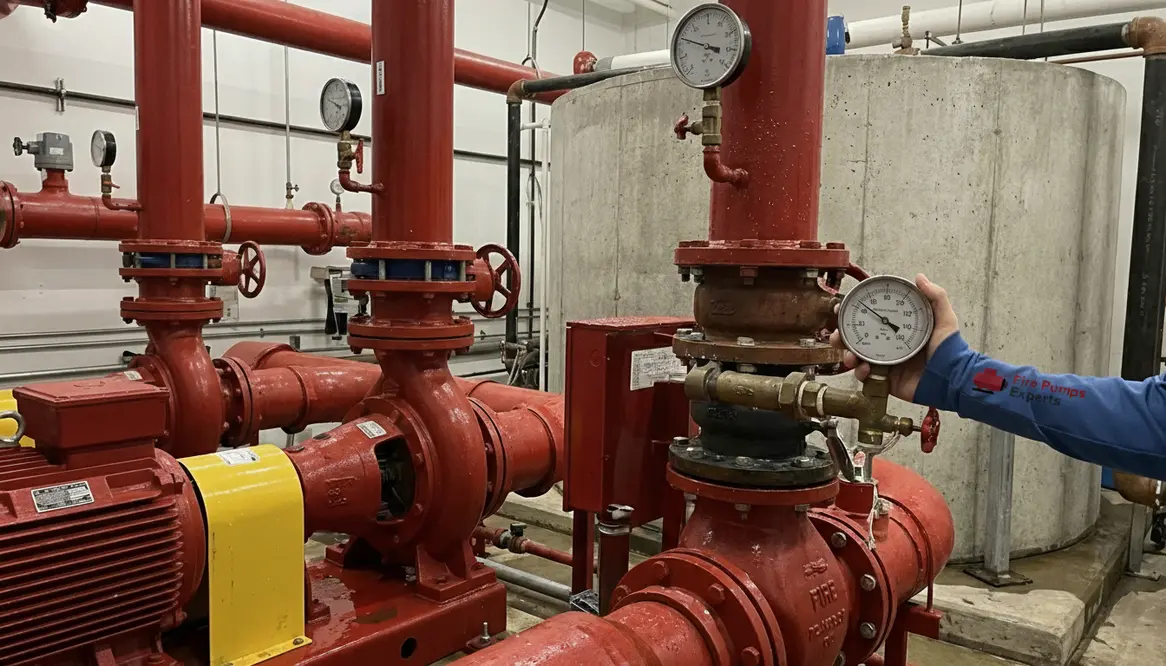
I also check the pump room arrangement. Good access, clear labels, proper controls, and safe clearance around the equipment all support better operation and maintenance. If a team cannot inspect or service the system easily, problems tend to hide until the worst possible moment. That is not drama anyone needs on a Monday.
In many cases, I also review whether the site needs a deeper engineering study. That is especially true when the building is large, the risk is high, or the supply comes from a complex source. For sites that want more guidance, I suggest reviewing an expert fire pump compliance resource that focuses on commercial and industrial facilities and major properties. It helps tie design, supply, and compliance together in one place.
What I Tell Owners Before They Move Forward
If I could give owners one piece of advice, it would be this: do not treat the water supply as an afterthought. A fire pump is only as strong as the supply behind it. So, before you approve the final design, ask how the system will perform under real emergency demand, not just on paper.
Furthermore, plan for inspection and testing from the start. A well designed supply should support the pump during commissioning, routine checks, and future maintenance. That long term view matters because assets age, conditions change, and buildings evolve. Today’s safe system should still be safe years from now.
AS 2419 water supply design is not just about ticking compliance boxes; it is about making sure the pump room can handle a bad day without turning into a very expensive prop. When the standard is applied with real site conditions in mind, owners get a system that is both compliant and practical.
On complex or high value properties, I often recommend an independent review of the AS 2419 water supply approach before final approvals. That extra step can spot missing capacity, weak suction layout, or storage gaps while there is still time to fix them without tearing the job apart later.
FAQ
Conclusion
If you manage a commercial or industrial property, I recommend treating fire pump water supply as a priority, not a footnote. The best time to fix a weak supply is before the system is needed, not while smoke is building and everyone is suddenly very busy. Review the source, confirm the storage, check the suction design, and verify compliance early. If you want a safer, cleaner path to AS 2419 confidence, take the next step now and get the supply reviewed by a specialist.