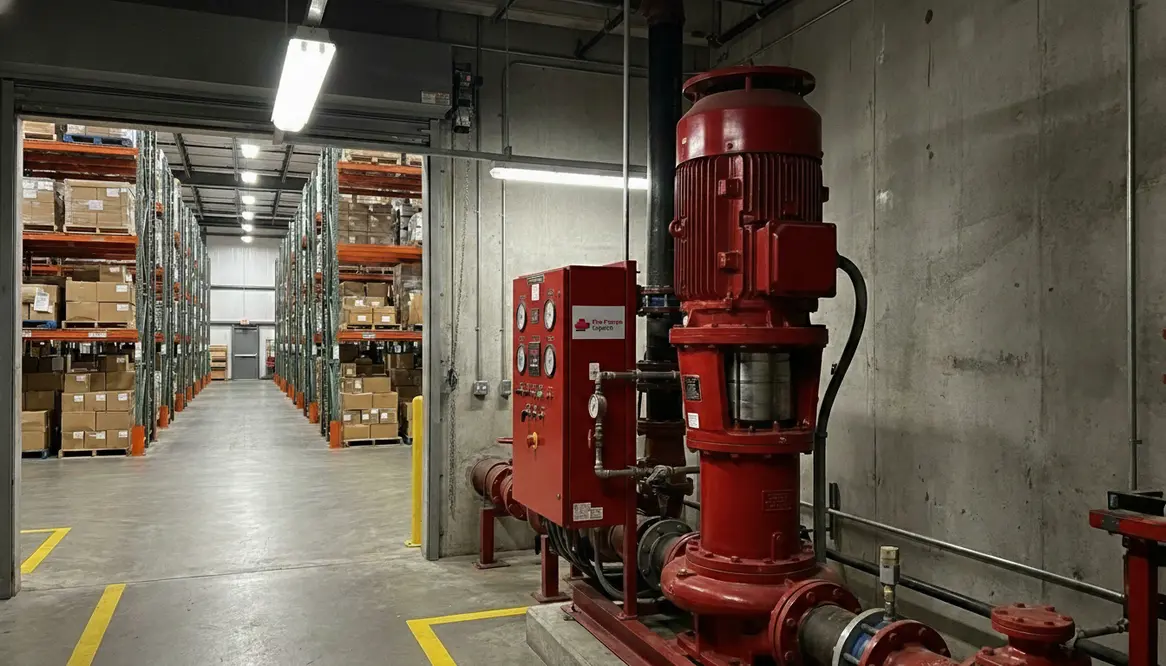
CEA Fire Pump Compliance in Storage Facilities
CEA Fire Pump Compliance for Storage Facilities
When I look at CEA storage sites, I see more than racks, pallets, and square footage. I see a moving machine that depends on water, pressure, and fast action when fire shows up uninvited. That is where CEA fire pump compliance steps in. It keeps commercial and industrial storage facilities ready for the moment when the system must perform without drama, delay, or a heroic soundtrack. And yes, the pump does not care about excuses. It only cares about pressure, power, and whether the system is ready.
In this article, I break down what compliance means, why it matters, and how I approach it in real storage settings. I keep the focus on commercial and industrial properties, because that is where the stakes, and the sprinkler demand, tend to grow fast.
Why CEA fire pump compliance matters in storage buildings
Storage facilities create fire risks that can spread quickly. Tall racks, packed aisles, mixed materials, and high ceiling spaces can all change how a fire behaves. Therefore, the fire pump must deliver the right pressure and flow when the sprinkler system needs it most. If the pump fails, the whole water supply chain can stumble. And in a storage building, that is not a small hiccup. That is a problem with a capital P.
I focus on compliance because it supports life safety, protects inventory, and helps reduce business loss. It also helps the property meet fire code, insurance needs, and inspection standards. In short, it is not paperwork for the sake of paperwork. It is the backbone of a reliable suppression system.
What I check in CEA storage fire pump compliance
When I review a storage facility, I start with the basics and then go deeper. I do not just ask if the pump exists. I ask if it can actually do its job under stress. That means I check:
- Fire pump sizing to confirm the pump matches the sprinkler demand and the building hazard level
- Water supply to confirm the source can support the system during peak demand
- Driver type such as electric or diesel, since each one needs its own care and testing
- Jockey pump performance to keep normal pressure steady and stop false starts
- Controller condition to make sure the pump starts when needed
- Test records to verify the system has been inspected and exercised on schedule
- Clear access so crews can inspect, repair, and test equipment without playing obstacle course
Here, the details matter. A pump can look fine and still fail under load. That is why I treat compliance as a full system review, not a quick glance and a thumbs up.
How I approach testing and inspections
Regular testing is the heart of compliance. First, I check weekly or monthly visual conditions, depending on the system and site practice. Then I look at annual flow testing, driver testing, and any required maintenance after abnormal events. Also, I review whether the pump room stays clean, dry, and open to safe access.
Testing should confirm that pressure rises correctly, the driver starts on time, and the pump delivers the needed flow. If results drift, I do not wait for a fire to reveal the flaw. That would be a very expensive surprise, and honestly, I prefer my surprises in movies, not in pump rooms.
Because storage facilities often expand or change use, I also review changes to rack height, commodity class, or building layout. A system that worked last year may no longer fit this year. Compliance must move with the property.
CEA fire pump compliance checklist for commercial storage
Here is the short version I use when I want a clear view of risk and readiness:
- First, confirm the pump size matches the sprinkler and storage hazard demand
- Second, verify the water source can support the required flow and pressure
- Third, check pump controls, power supply, and backup features
- Fourth, review inspection logs, test results, and repair history
- Fifth, confirm the pump room and equipment stay accessible and protected
- Finally, update the system when building use, storage type, or code needs change
This checklist keeps me honest. It also keeps the facility closer to a dependable fire protection plan, which is the whole point.
Common compliance gaps I see in storage facilities
Even well managed properties can miss a few things. For example, I often find delayed test records, weak battery support, low suction pressure, or old parts that no one has touched in years. Sometimes the issue is simple, like blocked access around the pump room. Other times, it is a larger system mismatch after a warehouse expansion or commodity change.
Also, I see facilities assume the pump is fine because the sprinkler system has never activated. That logic sounds calm, but it is a bit like trusting a GPS because you have not crashed the car yet. Reality tends to prefer evidence.
When I spot a gap, I correct it fast. Compliance improves when the facility owner, fire protection team, and inspection crew stay aligned. In storage settings, that teamwork matters more than wishful thinking ever will.
How I use CEA storage planning to support long term readiness
I treat fire pump compliance as part of the building life cycle. Storage operations change, so the fire pump plan must stay flexible. When the site adds racks, changes product type, or adjusts storage height, I revisit the fire protection design. That helps avoid a system that looked good on paper but struggles in the real world.
For commercial and industrial sites, I also recommend reviewing the system after construction work, tenant changes, or major equipment moves. Small changes can have big effects on water demand. And in fire protection, small details often act like the main character in the story.
Key CEA storage compliance tasks at a glance
Compliance task |
Why I care |
Flow test |
It shows whether the pump can meet demand |
Controller review |
It confirms the pump starts properly |
Water supply check |
It proves the system has enough support |
Record review |
It shows the system has been maintained over time |
FAQ
Conclusion
If you manage a commercial or industrial storage property, I urge you to treat fire pump compliance as a living system, not a one time task. The right review now can prevent bigger losses later. If your CEA storage site needs a closer look, I recommend a full compliance check, a current test review, and a plan that fits today’s building use. Do that, and you give your facility a far better chance to stay ready when it matters most.