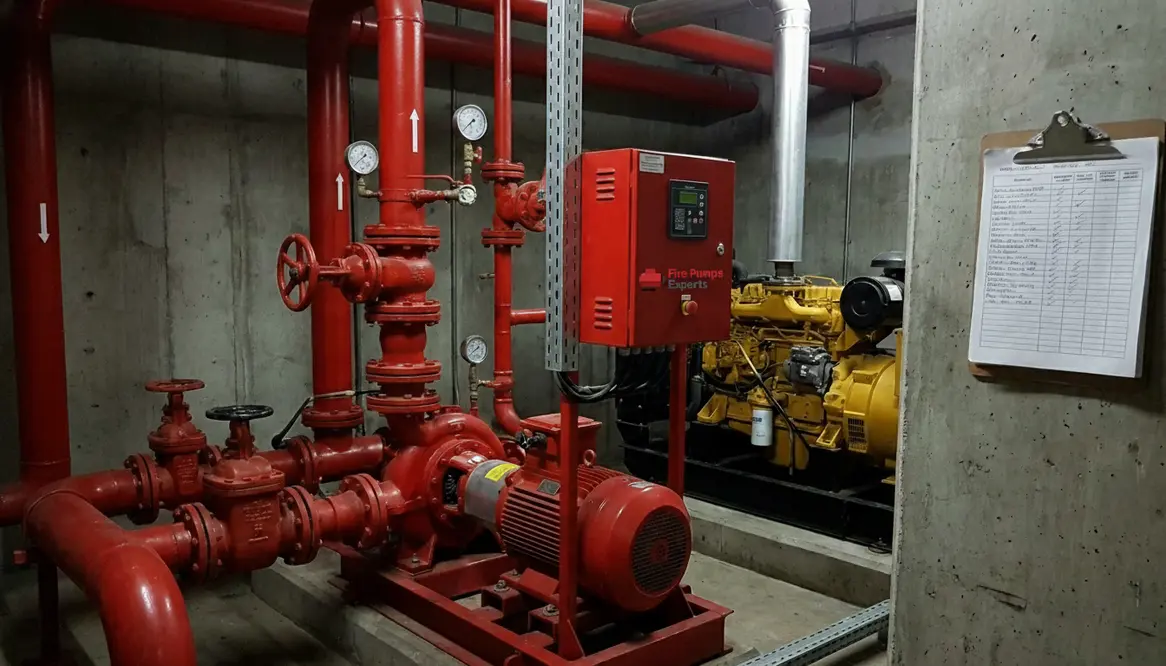
Colombia Fire Pump Requirements Guide for Buildings
Colombia Fire Pump Requirements Explained
I have seen plenty of building owners treat fire pumps like a background extra in a movie. That works until the scene catches fire, and suddenly the “extra” becomes the star. In Colombia, fire pump requirements matter most for commercial and industrial facilities, as well as major property buildings that need reliable water pressure for fire protection. So, I will walk through the core rules, the design logic, the testing needs, and the common mistakes that can cost time, money, and peace of mind. If you manage a large facility, this is not paperwork for the drawer. It is the backbone of your fire safety system.
What I Look For In Colombia Fire Pump Requirements
I start with the basics. A fire pump must support the sprinkler system, hydrants, or standpipes when normal water pressure cannot do the job. In Colombia, this usually means the system must match the building risk, occupancy type, and local fire code needs. For big facilities, the pump has to deliver the right flow and pressure under real emergency conditions. That sounds simple, yet the details matter.
First, I check the water source. Then I check pump sizing, power supply, controller type, and backup support. After that, I verify whether the site needs an electric pump, a diesel pump, or both. Because yes, when the grid drops, fire does not politely wait for a reboot. The system must also support dependable operation in the exact building conditions, not just on paper. If the pump room looks like a storage closet for old chairs, that is already a warning sign.
How I Size A Fire Pump For A Commercial Site
I size a fire pump based on demand, not wishful thinking. The pump must handle the water flow required by the most demanding part of the fire system. For industrial plants and large buildings, that often means I review hydrant demand, sprinkler demand, and any added loss from pipe length and elevation. Height matters. So does friction loss. Water is strong, but it still needs help climbing the building.
Here is the simple way I approach it:
- I confirm the highest demand point in the system.
- I calculate the pressure needed at that point.
- I add losses from pipes, valves, fittings, and elevation.
- I check the water supply to make sure the pump can actually feed the system.
- I confirm the pump matches the approved fire protection design.
In practice, this is where many projects get shaky. A pump can look powerful and still fail the real test if the water supply is weak. That is why Colombia fire pump requirements must align with the whole system, not only the pump itself. One part without the others is like assembling the Avengers with no Hulk. It may look exciting, but it will not end well.
Colombia Fire Pump Requirements For Power, Backup, And Controls
Power And Reliability
Power is not a side note. It is the lifeline. I always review whether the site uses electric or diesel driven fire pumps, and I check the reliability of the power source. For critical commercial and industrial facilities, backup power often becomes essential. If the main power fails, the pump still has to perform.
Controls And Pump Room Layout
The controller also matters. It must start the pump automatically when pressure drops. It should include clear alarms, proper monitoring, and easy access for inspection. I also look at the pump room itself. It needs safe access, proper ventilation, drainage, lighting, and space for maintenance. A cramped pump room is a headache today and a bigger headache later.
At this stage, I also review local compliance documents, manufacturer data, and the fire protection drawings. If the system does not match the approved design, I stop and ask questions. Fast. Fire safety is not the place for creative improv.
Inspection And Testing Steps I Never Skip
I never trust a fire pump just because it is installed. I want proof. So, I check inspection and testing records before I call a system ready. In Colombia, commercial and industrial facilities should keep routine tests on file and make sure the pump starts when needed, holds pressure, and runs as designed.
Here is the short list I use:
- I inspect the pump casing, valves, gauges, and controller.
- I test automatic start and stop functions.
- I verify flow and pressure performance.
- I review diesel fuel level, battery condition, and engine readiness when a diesel unit exists.
- I confirm that maintenance logs stay current.
Regular testing helps catch small problems before they turn into big ones. A loose connection today can become a very expensive failure later. And no one wants to explain that to management with a straight face.
Colombia Requirements For Major Buildings: The Practical Checklist
For major properties, I keep the process simple and strict. First, I confirm the hazard level of the building. Then I check the fire water demand. After that, I verify the pump selection, backup support, and room layout. Finally, I confirm testing, maintenance, and record keeping.
To keep this clear, I like to use a quick two column style checklist in my head. On one side, I look at the system design. On the other, I check the real site conditions. If those two sides do not match, trouble usually follows.
Design Side
- Proper flow and pressure
- Correct pump type
- Approved controller
- Backup power
Site Side
- Safe pump room access
- Water source readiness
- Clear inspection path
- Current maintenance records
This is also where I recommend working with a fire protection team that understands Colombia fire pump requirements for commercial and industrial sites. For deeper guidance, I suggest reviewing commercial fire pump requirements and fire pump services as a useful reference point for large property owners who need solid system support.
FAQ: Colombia Fire Pump Requirements Explained
Conclusion
I take Colombia fire pump requirements seriously because large facilities depend on them when every second counts. If you manage a commercial or industrial property, now is the time to review your design, test records, and backup support. Do not wait for a problem to write the lesson for you. Reach out to a qualified fire protection specialist, verify your system, and make sure your pump can do its job when the pressure rises.