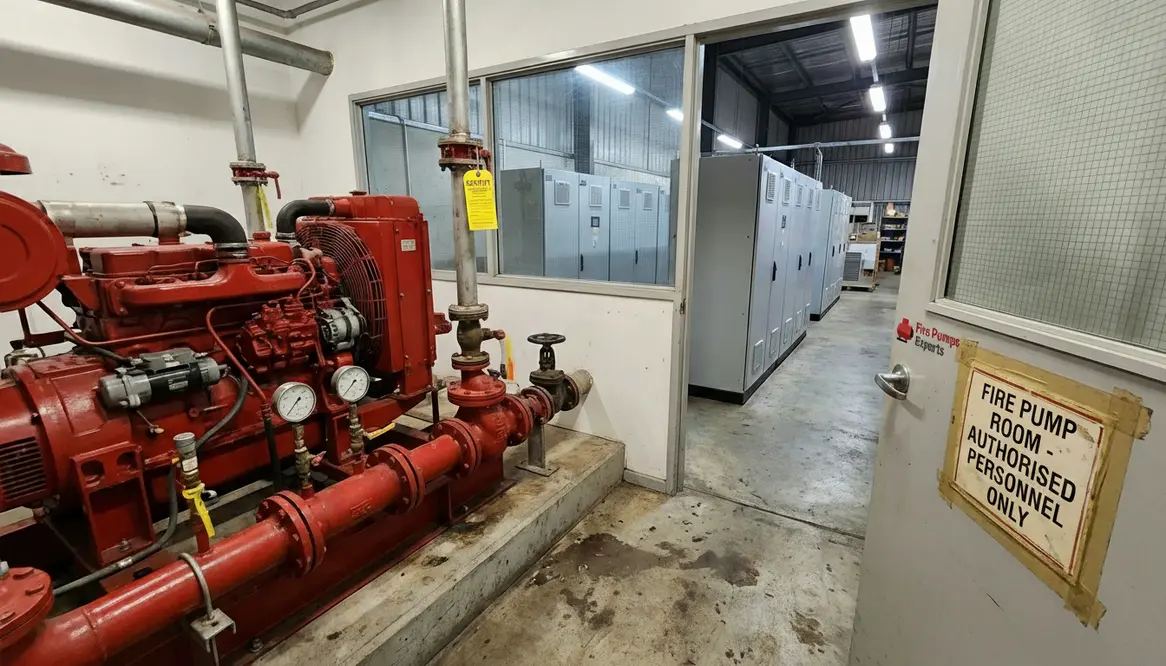
Fire Pump Battery Storage Australia Design Guide
I have spent enough time around pump rooms to know this: when energy storage meets fire protection, things get serious fast. In Australia, where large scale battery systems are becoming part of the commercial and industrial landscape, designing a reliable fire system is not just a checkbox. It is survival. That is where fire pump battery storage Australia design enters the conversation. It sits quietly in the background, like the bass line in a good song, but without it, the whole thing falls apart.
So let me walk you through it, slowly and clearly, with just enough humor to keep you awake. Because let us be honest, fire pumps are not exactly blockbuster material… unless something goes wrong.
Why Battery Energy Storage Changes the Fire Protection Game
Battery Energy Storage Systems, or BESS if you want to sound like you have been in a few meetings, introduce a different kind of fire risk. Unlike traditional hazards, lithium ion batteries can enter thermal runaway. And once that starts, it does not politely stop when asked.
Therefore, I approach design with a different mindset. I do not just think about water supply. I think about duration, redundancy, and how systems behave under prolonged stress. In commercial facilities and industrial properties, this becomes even more critical because downtime is expensive and, frankly, embarrassing.
Moreover, Australian conditions add another layer. Heat, remote locations, and strict compliance requirements mean the system must perform without hesitation. No drama. No second chances.
How I Approach Fire Pump Battery Storage Australia Design
When I design for these environments, I focus on three pillars: reliability, endurance, and integration. Each one plays a role in keeping the system functional when everything else is under pressure.
Reliability
Reliability comes first. I ensure that the fire pump has a dependable power source. In many cases, this means diesel driven pumps paired with electric backups. Why? Because batteries powering a fire system that protects batteries… well, that is a bit like asking a cat to guard your fish tank.
Endurance
Endurance follows closely. Battery fires can last longer than traditional fires. So I design systems that can sustain flow rates over extended periods. That includes larger water storage and pumps rated for continuous operation.
Integration
Integration ties it all together. The fire system must communicate with detection systems, suppression controls, and facility management platforms. When one system reacts, the others must follow like a well rehearsed orchestra.
Key Design Considerations for Large Scale Facilities
Now, if you are managing a commercial building or an industrial site, here is where things get practical.
Hydraulic Demand
I calculate demand based on worst case scenarios, not average ones. Because fires do not believe in averages.
Redundant Power
I include multiple power sources. Diesel remains a trusted option, especially in critical infrastructure.
Water Supply
I size tanks to handle extended suppression. Quick bursts are not enough here.
System Zoning
I separate high risk battery areas from general facility zones to prevent system overload.
Compliance
I align with Australian standards and local authority requirements. No shortcuts.
Maintenance Access
I make sure technicians can actually reach and service the equipment. Because a perfect design that cannot be maintained is just a drawing.
What Makes Fire Pump Systems Different in Battery Facilities?
This is where things get interesting. Traditional fire systems aim to suppress and extinguish quickly. However, with battery storage, the goal often shifts to control and cooling.
So I design pumps that support continuous water application. In addition, I consider foam systems or specialized suppression methods depending on the facility risk profile. It is not a one size fits all situation.
Managing Re-ignition Risk
Furthermore, I factor in re ignition risks. A battery fire can appear controlled, only to flare up again like a sequel nobody asked for. Therefore, sustained pump performance becomes essential.
Compliance and Standards in Australia
Australia does not play around when it comes to safety, and that is a good thing. I work within frameworks such as AS 2419 for fire hydrant systems and align with guidelines specific to energy storage installations.
However, compliance is just the baseline. I treat it as the starting point, not the finish line. Because real world conditions rarely match textbook scenarios.
In addition, I collaborate with engineers, facility managers, and safety consultants to ensure the system performs in practice, not just on paper.
Future Trends in Fire Pump Battery Storage Australia
The landscape is evolving quickly. As battery installations grow larger, fire protection strategies must keep pace.
Smarter Monitoring
I am seeing increased use of smart monitoring systems that track pump performance in real time. That means issues can be addressed before they become failures.
Hybrid Protection Strategies
Also, hybrid systems are gaining traction. These combine traditional fire pumps with advanced suppression technologies. Think of it as upgrading from a flip phone to a smartphone. Both make calls, but one does a lot more.
Sustainability and Design Efficiency
And yes, sustainability is entering the conversation. Efficient pump design and water management are becoming part of broader environmental goals, especially as more sites across Australia adopt large scale energy storage.
FAQ
Closing Thoughts and Next Steps
If you are planning or upgrading a facility, do not treat fire protection as an afterthought. I design fire pump battery storage Australia systems to handle real risks, not theoretical ones. The right approach protects your assets, your people, and your reputation. So if you are ready to build something that actually works when it matters, now is the time to take that step and get it done properly. For more background on fire pumps and related systems, you can explore resources such as https://firepumps.org, and then tailor those principles to the realities of modern Australian battery installations where fire pump battery storage Australia considerations are front and centre.