Fire Pump Coastal Barcelona Design Guide
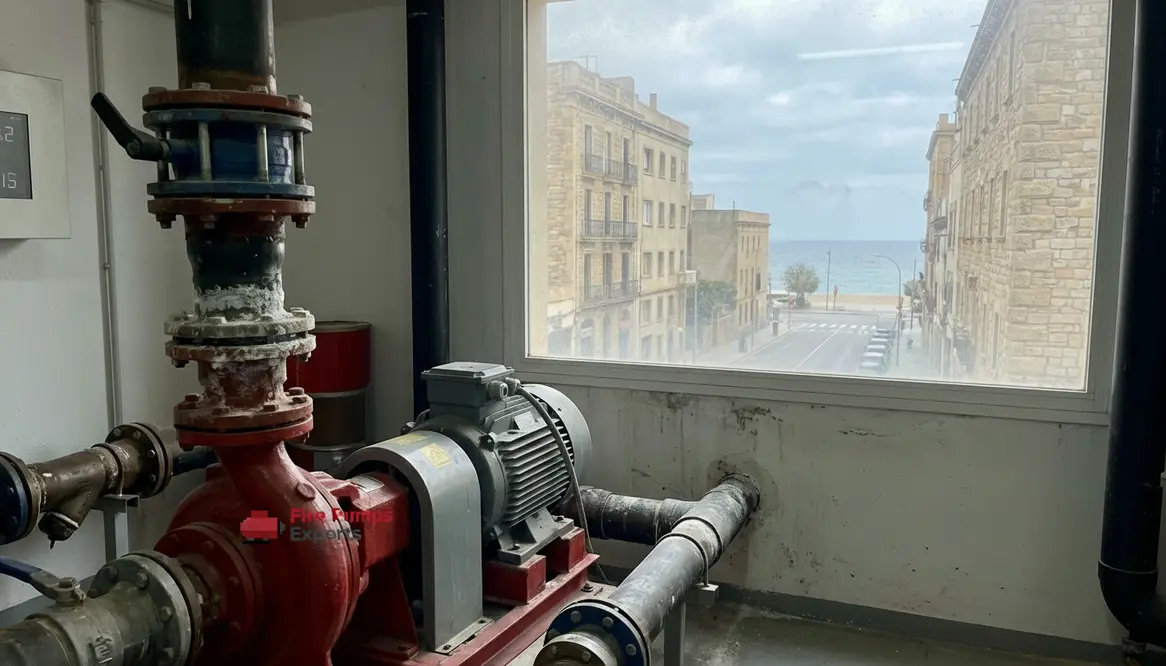
I have spent years around pumps that roar to life only when everything else goes quiet. In coastal cities, that moment matters more. When I talk about fire pump coastal Barcelona design, I am not just thinking about machinery. I am thinking about salt air, dense skylines, historic facades, and modern high rises packed with people and assets. In a place like Barcelona, the margin for error is thin. So, I approach every system with a steady hand, a clear plan, and just enough humor to keep the engineers awake during long design reviews.
Why Coastal Conditions Change Everything
First, let me set the scene. Coastal environments are beautiful, sure. However, they are also relentless. Salt travels through the air like it owns the place. It settles into metal, creeps into joints, and quietly speeds up corrosion.
Because of this, I always select materials that can take a beating. Stainless steel components, protective coatings, and sealed enclosures are not optional. They are essential. Moreover, humidity levels stay high, which means electrical systems need extra protection to avoid failure at the worst possible moment.
And then there is flooding risk. Coastal storms can turn streets into rivers. Therefore, I elevate critical pump components and design drainage paths that actually work, not just look good on paper.
Designing for a city that never stands still
fire pump coastal Barcelona projects also need to consider traffic patterns, tight urban footprints, and neighbors who do not appreciate noisy machinery humming all night. That combination of environmental stress and urban reality demands designs that are compact, quiet, and extremely resilient.
What Makes a Fire Pump System Reliable in Barcelona
Reliability is not magic. It is discipline. When I design a system for a commercial tower or industrial facility, I focus on three pillars: consistent pressure, redundant power, and smart controls.
To begin with, water supply must stay stable even during peak demand. So I size pumps with realistic load calculations, not optimistic guesses. Then, I integrate backup power, usually diesel driven pumps alongside electric units. If the grid fails, the system does not even blink.
In addition, control panels must be intuitive. During an emergency, no one wants to decode a puzzle. Clear interfaces and automatic start functions keep things simple. Think of it like a good action movie. When the moment hits, everything just works. No plot twists.
Balancing performance and resilience
For any serious fire pump coastal Barcelona project, I treat power and water as equally fragile. That means dual supplies when possible, fuel storage with real runtime, and starting sequences that do not stall because one sensor decided to be dramatic at the wrong second.
How I Protect Fire Pumps from Salt Air Damage
I take corrosion personally. It is the quiet villain in every coastal installation. So, I fight it early.
I start with material selection, choosing corrosion resistant alloys and coatings. Then, I specify sealed motor housings and climate controlled pump rooms where possible. Ventilation systems also play a role, reducing moisture buildup that can shorten equipment life.
Furthermore, I build maintenance into the design. Easy access points, clear inspection paths, and smart monitoring systems allow teams to catch issues before they grow. Because let us be honest, ignoring maintenance is like ignoring a warning light on your dashboard. It does not end well.
Salt, steel, and smart planning
In a fire pump coastal Barcelona installation, I also think about how people will move around the room. If technicians have to crawl over pipework just to check a gasket, you can bet those checks will be skipped. Good layouts are not just neat; they are a corrosion control strategy.
Fire Pump Coastal Barcelona Design for High Density Buildings
Barcelona is dense. Buildings rise close together, and many serve mixed commercial purposes. That changes how I think about fire protection.
I design systems that can handle vertical distribution without pressure loss. High rise structures need zoning strategies, pressure reducing valves, and carefully planned risers. Otherwise, water either struggles to reach the top or blasts through lower floors like a fire hose at full drama mode.
At the same time, I coordinate with local codes and historical preservation requirements. Some buildings cannot be altered easily. Therefore, I adapt designs to fit within constraints without compromising safety. It is a balance between respecting the past and protecting the future.
Layering protection through the skyline
In tight districts, it is common for several properties to depend on a robust shared water supply. That makes each fire pump coastal Barcelona design decision more critical, because one weak link can affect a whole block of commercial tenants who believe sprinklers are simply “there” and not the result of meticulous engineering.
What Should a Modern System Include for Coastal Facilities
Core Components I Always Specify
- Primary electric fire pump with stable pressure output
- Diesel backup pump for power failure scenarios
- Jockey pump to maintain system pressure
- Corrosion resistant piping and fittings
- Advanced control panel with remote monitoring
Enhancements That Make a Difference
- Smart sensors for pressure and flow tracking
- Automated testing cycles
- Flood resistant pump room layouts
- Ventilation and humidity control systems
- Integration with building management systems
While some might call these extras, I call them peace of mind. And in large commercial or industrial properties, peace of mind is worth every cent.
Digital tools for physical safety
Remote dashboards, trend logs, and alerts do more than look impressive in a meeting. When tuned correctly, they quietly flag the small drifts in pressure or start-up times that suggest a future failure. That is where modern fire pump coastal Barcelona setups can shine: silent data saving very loud days.
Fire Pump Coastal Barcelona Compliance and Testing Standards
Regulations in Spain and across Europe are strict, and rightly so. I always align designs with local fire codes, NFPA standards where applicable, and municipal requirements.
However, compliance is just the beginning. Regular testing keeps systems honest. Weekly churn tests, monthly inspections, and annual performance checks ensure everything runs as designed. Because a system that looks good on paper but fails in reality is about as useful as a superhero without powers.
In addition, I encourage facility managers to document every test and inspection. That record becomes invaluable during audits and, more importantly, during real emergencies.
Turning checklists into confidence
Whether the project is a logistics hub near the port or a high rise hotel, the routine is the same: test, log, review, repeat. If you ever need a benchmark or best practice guide, resources like https://www.firepumps.org can support your maintenance planning without replacing the judgment of the on-site engineering team.
FAQ: Fire Pump Design in Coastal Cities
What makes coastal fire pump systems different?
Salt air, humidity, and flood risks require corrosion resistant materials and elevated installations.
How often should fire pumps be tested?
Weekly churn tests and annual full performance tests are standard for commercial systems.
Are diesel pumps necessary?
Yes, they provide backup when electrical power fails.
How do I prevent corrosion?
Use coated materials, sealed components, and control humidity in pump rooms.
Can older buildings support modern systems?
Yes, with careful design that adapts to structural and historical constraints.
Conclusion
Designing fire pump systems for coastal environments like Barcelona demands precision, foresight, and a refusal to cut corners. I build every system to endure salt, pressure, and time while protecting valuable commercial and industrial assets. If you are planning a project or upgrading an existing facility, now is the moment to act. Let us create a system that performs flawlessly when it matters most and stands strong for years to come.