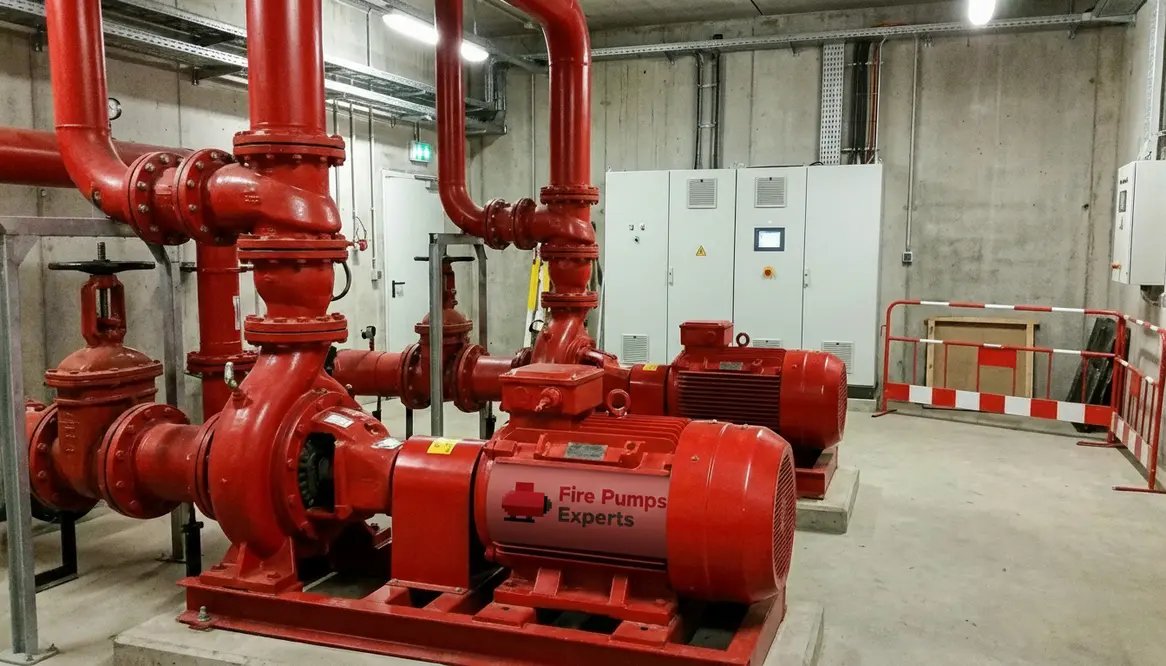
Fire Pump Energy Facilities Europe Selection Guide
I have spent enough time around industrial sites to know one truth. When things go wrong, they go wrong loudly, quickly, and without asking for permission. That is especially true when we talk about fire pump energy facilities Europe systems. In power plants, refineries, and large scale energy hubs, fire protection is not just a regulatory checkbox. It is the thin red line between controlled operations and chaos that would make even a Hollywood disaster film feel underfunded.
So today, I am going to walk you through how I approach fire pump selection for these facilities. Calmly. Methodically. With just enough humor to keep us awake.
Understanding the Stakes in European Energy Facilities
First, I ground myself in reality. Energy facilities in Europe operate under strict codes, tight environmental expectations, and aging infrastructure that often meets cutting edge upgrades. Therefore, any fire pump system must perform flawlessly under pressure. Literally.
Moreover, these facilities deal with high heat loads, flammable materials, and complex layouts. That means I cannot rely on generic solutions. Instead, I tailor each system to match risk profiles, site size, and operational continuity demands.
And yes, redundancy is not optional here. It is expected. Because when a turbine hall catches fire, nobody wants to hear, “Well, we tried.”
How I Size and Select Fire Pumps for Energy Sites
Now we get into the part where numbers matter more than opinions. I always start with hazard classification and flow demand. Then I layer in pressure requirements based on the most remote and demanding point in the system.
However, I do not stop there. I look at:
Flow rate requirements
I calculate peak demand scenarios, not average ones. Fires do not respect averages.
Pressure margins
I account for elevation changes, friction loss, and future expansion. Because facilities grow. Pipes do not magically widen themselves.
Water supply reliability
I evaluate whether the source is municipal, tank based, or open water. Each comes with its own quirks. Think of it like choosing between a steady paycheck and freelance income.
As a result, I often land on centrifugal pumps, either horizontal split case or vertical turbine designs, depending on site constraints. They are reliable, proven, and frankly, they do not complain.
Fire Pump Energy Facilities Europe: Compliance and Standards That Matter
In Europe, compliance is not a suggestion. It is a requirement backed by serious consequences. So I align every design with standards like EN 12845, NFPA where applicable, and local authority requirements.
At the same time, I coordinate with insurers. Because if your insurer is not happy, your budget will feel it.
Additionally, I ensure documentation is airtight. Testing protocols, certification, and maintenance plans must all be in place before commissioning. No shortcuts. Not even the tempting ones.
And yes, paperwork can feel like the villain of the story. But it is the kind that quietly saves the day.
What Features Actually Improve Reliability
Primary System Choices
- Electric driven pumps for stable grid connected sites
- Diesel driven pumps for backup and independence
- Dual pump setups for redundancy
- Automatic controllers with fail safe logic
Supporting Components
- Jockey pumps to maintain pressure
- Reliable suction piping design
- Fuel storage with extended runtime
- Monitoring systems with real time alerts
Furthermore, I always plan for maintenance access. Because even the best equipment needs attention. And no technician enjoys playing hide and seek with a pump in an emergency.
Can One Fire Pump Design Fit Every Energy Facility?
Short answer. No.
Long answer. Absolutely not.
Each facility comes with its own risks, layout, and operational priorities. A gas fired plant differs from a nuclear site. A coastal LNG terminal behaves differently than an inland biomass plant.
Therefore, I avoid copy paste solutions. Instead, I adapt designs to the environment, climate conditions, and operational demands. Cold weather protection, seismic considerations, and corrosion resistance all come into play.
Think of it like tailoring a suit. One size fits all only works if you enjoy discomfort and poor performance.
Fire Pump Energy Facilities Europe: Planning for the Long Run
Selection is only half the story. The real success lies in lifecycle planning.
I always consider how the system will perform ten or twenty years down the line. Spare parts availability, ease of upgrades, and integration with future safety systems all matter.
Moreover, I encourage regular testing and predictive maintenance. Because a fire pump that only works on paper is about as useful as a superhero who forgot their powers at home.
And let us be honest. No facility manager wants surprises during an audit or, worse, during a real emergency.
Fire Pump Energy Facilities Europe: Practical Selection Tips
When I am working on fire pump energy facilities Europe projects, I always start with a brutally honest risk assessment. That means understanding where the biggest fire loads are, how fast they can escalate, and what kind of business interruption the operator is willing to tolerate. Spoiler: it is usually “as little as humanly possible.”
- Match pump drivers to the site’s power philosophy rather than habit
- Check that the fire water network layout actually supports your chosen pump capacity
- Use realistic test data, not marketing brochures, when comparing performance curves
- Plan where test headers, meters, and drains will go from day one
The best fire pump energy facilities Europe designs are usually the ones where operations, maintenance, safety, and insurers all had a say early in the process instead of arguing about it after commissioning.
Conclusion
Choosing the right fire pump system is not just engineering. It is foresight, discipline, and a quiet respect for what can go wrong. If you are managing a commercial or industrial energy facility, now is the time to evaluate your system, close the gaps, and invest in reliability. Work with specialists who understand the stakes, because when it comes to fire protection, good enough is never enough.