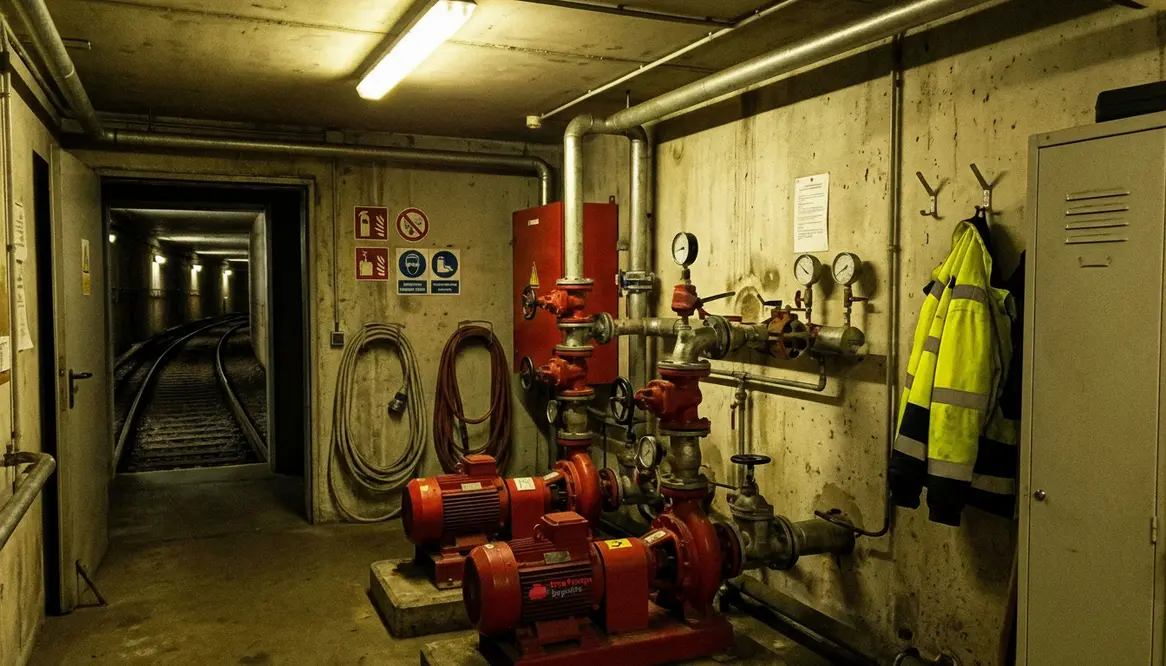
Railway Fire Pump Europe Systems for Safety
Inside stations, tunnels, and depots, safety is the quiet power source that keeps rail operations moving. When everything else fails, protection systems step forward.
I have spent years watching infrastructure evolve across Europe, and if there is one thing that quietly keeps everything running, it is safety. More specifically, it is the systems that stand ready when everything else goes wrong. That is where railway fire pump Europe solutions step in. These systems do not make headlines, yet they protect tunnels, stations, and high value railway assets with calm precision. And trust me, when you are dealing with underground networks that feel like something out of a spy movie, you want equipment that performs without hesitation.
How do fire pump systems protect railway infrastructure in Europe?
I like to think of fire pump systems as the backstage crew of a major production. You may not see them, but without them, the show stops fast. In railway environments, especially across Europe, these systems maintain pressure for fire suppression networks in tunnels, depots, and major stations.
Because railway assets often sit in enclosed or high traffic environments, even a small fire can escalate quickly. Therefore, fire pumps ensure water moves at the right pressure and volume to contain incidents before they disrupt operations or damage critical infrastructure.
Additionally, European safety standards demand high reliability. So these systems are engineered with redundancy, meaning if one component fails, another immediately takes over. It is a bit like having a backup singer who can suddenly become the lead without missing a beat. Beyoncé would approve.
Key components behind reliable railway fire pump Europe systems
When I break down these systems, I always focus on what makes them dependable. After all, this is not the place for guesswork.
Core elements include:
Hydraulic backbone
Pumps: These provide the necessary water pressure. In railway settings, they are built for heavy duty, continuous readiness.
Controllers: They act as the brain, automatically activating the system when needed.
Delivery and storage
Water storage: Large reservoirs or dedicated supply lines ensure availability even during peak demand.
Valves and piping: These direct water precisely where it needs to go without delay.
Moreover, integration with detection systems allows rapid response. As a result, the moment heat or smoke triggers an alarm, the fire pump system is already doing its job. In many modern projects, a railway fire pump Europe package is specified alongside advanced detection, so the whole protection chain acts as one system rather than scattered components.
What makes European railway environments uniquely challenging?
I have seen plenty of industrial setups, but railway infrastructure in Europe comes with its own personality. And yes, sometimes that personality is stubborn.
First, many systems operate in aging tunnels that were never designed with modern fire protection in mind. Therefore, engineers must retrofit advanced fire pump solutions into tight, complex spaces.
Second, cross border regulations vary. While standards are strict, they are not always identical. So, systems must adapt without compromising performance.
Finally, high passenger density increases the stakes. In a busy station, delays are annoying. In an emergency, delays are unacceptable. Consequently, fire pump systems must respond instantly and reliably every single time.
Challenge
Confined tunnel environments
High asset value
Regulatory complexity
Continuous operation demands
Solution
Compact high pressure pump designs
Redundant system architecture
Compliance focused engineering
Durable and low maintenance components
Design strategies I rely on for high performance systems
Whenever I approach a railway project, I focus on durability first. These are not systems you want to revisit every six months.
So, I prioritize corrosion resistant materials, especially in underground environments where moisture is constant. Additionally, I look at system accessibility. Maintenance teams need clear access, because even the best system needs periodic checks.
Then comes scalability. Railway networks evolve, and infrastructure expands. Therefore, a well designed fire pump system should grow alongside the facility without requiring a complete overhaul.
And yes, I always factor in energy efficiency. Not because it sounds nice in a report, but because operational costs matter. A system that performs well and keeps energy use in check is the real hero.
Maintenance and lifecycle thinking in railway fire pump Europe installations
If there is one truth I have learned, it is this: installation is only the beginning. Maintenance defines the lifespan.
Routine testing ensures pumps activate correctly under real conditions. Furthermore, predictive maintenance tools now allow teams to spot issues before they become failures. That means fewer surprises and more control.
I also encourage lifecycle planning from day one. Instead of reacting to wear and tear, operators should anticipate it. This approach keeps systems reliable and budgets predictable. And let us be honest, nobody enjoys surprise repair costs. Not even accountants, and they enjoy numbers more than most people enjoy coffee.
For many networks, adopting a clear asset register for every railway fire pump Europe installation, with documented service history and test results, turns maintenance from a fire drill into a routine habit.
Why investing in advanced fire pump systems pays off
It is tempting to see fire pump systems as a compliance checkbox. However, that mindset misses the bigger picture.
These systems protect not only infrastructure but also business continuity. A well protected railway network avoids costly downtime, protects assets, and ensures passenger safety. Consequently, the return on investment extends far beyond initial installation.
In my experience, organizations that invest in robust systems sleep better at night. And in industries where uptime is everything, that peace of mind is worth a lot.
Choosing a well engineered railway fire pump Europe solution also supports long term modernization. Whether the network is adding tunnels, new stations, or depot expansions, a scalable package makes each new project faster to approve and easier to integrate.
If you want to see how some networks document best practices, technical case studies at https://firepumps.org can be a useful reference point when planning upgrades.
FAQ
What is a railway fire pump system?
It is a system that supplies pressurized water to fire suppression networks in railway facilities.
Why are fire pumps critical in tunnels?
They ensure immediate water delivery in confined spaces where fires can spread quickly.
How often should these systems be tested?
Regular testing is recommended weekly and monthly, with full inspections annually.
Are European standards strict for fire pump systems?
Yes, they require high reliability, redundancy, and compliance with safety regulations.
Can systems be upgraded without full replacement?
Yes, many modern systems are designed for scalability and phased upgrades.
Conclusion
If you are responsible for protecting railway infrastructure, investing in the right fire pump system is not optional, it is essential. I have seen firsthand how the right design and maintenance strategy can prevent disruption and protect valuable assets. Now is the time to evaluate your systems, upgrade where needed, and ensure you are prepared. Because when safety calls, your system should already be answering.