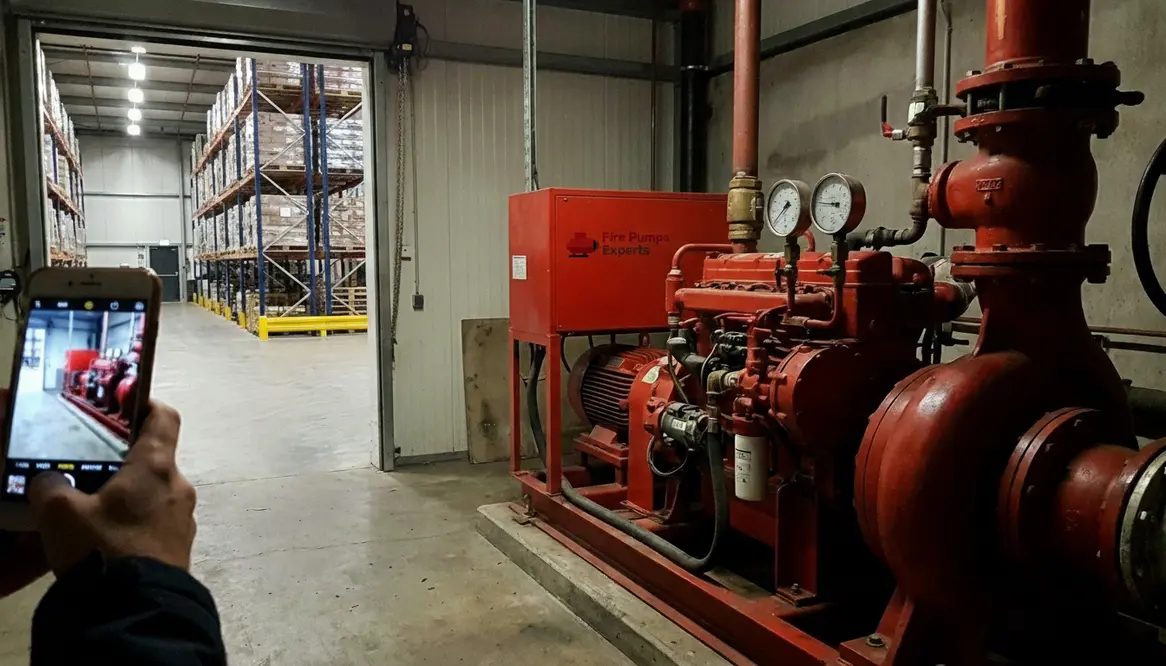
VdS CEA 4001 Fire Pump Rules for Warehouses
VdS CEA 4001 Fire Pump Requirements for Warehouses: What I Look For First
When I look at VdS CEA 4001 warehouses, I do not start with the shiny stuff. I start with the fire pump, because that is the heart of the system. If the pump cannot deliver the right water at the right pressure, the rest of the setup turns into expensive wall art. And yes, that is a very costly way to decorate a warehouse. In this guide, I walk through the key fire pump rules I check, how they shape warehouse protection, and what I want owners and facility teams to understand before trouble shows up uninvited.
Why the Fire Pump Matters in a Warehouse
I treat the fire pump as the engine of the whole sprinkler system. In large storage spaces, water has to move fast and with steady force. That matters even more in VdS CEA 4001 warehouses, where rack height, storage type, and building size can push the system hard. So, I always ask a simple question: can this pump support the hazard level, not just on paper, but in real life?
Here is the point. Warehouses often have wide open floors, high ceilings, and long pipe runs. As a result, pressure loss can creep in like a bad plot twist in a streaming drama. Therefore, I check pump sizing, supply stability, and the full demand from the sprinkler design before I trust the system.
Fire Pump Requirements I Check First
First, I look at the pump capacity. It must meet the required flow and pressure for the hazard class and layout. Next, I review the water source. The pump only works well if the supply can feed it with enough volume. Then, I check the duty point, because a pump that looks fine on a brochure may fall apart under real demand.
I also review the pump type and control setup. In many commercial and industrial facilities, the system needs a main pump and a backup path. That matters because downtime does not wait for a convenient moment. It never sends a calendar invite. So, I look for reliable startup, steady performance, and a clear alarm link to the fire protection panel.
The Main Checks I Run First
Design check
I confirm the pump matches the required flow and pressure.
Supply check
I confirm the water source can keep up during full demand.
Control check
I confirm the pump starts fast and signals faults clearly.
Layout check
I confirm pipe length, height, and zoning do not drain pressure.
How I Test Compliance in a Warehouse Fire Pump Setup
I do not trust guesswork. Instead, I verify the pump against the warehouse hazard profile and the sprinkler design. Also, I look for test records, flow test results, and maintenance logs. These records show whether the pump can hold performance over time, not just during a flashy inspection day when everyone suddenly remembers the binder.
In practice, I want to see that the pump can operate under realistic load. Therefore, I check:
- flow and pressure test results
- pump start performance
- weekly or monthly test routines
- alarm and fault response
- backup power or backup pump support
Because warehouses often serve large loads, I also pay close attention to the water tank or supply tank if one exists. If the storage tank cannot support the required duration, the pump may be doing heroic work for a very short scene. And nobody wants a fire system with a dramatic ending.
What Warehouse Owners Should Watch During Design
I always tell owners to think beyond the pump room. The whole building layout affects pump performance. For example, tall storage racks can increase risk, and long pipe routes can cut pressure. So, when I review a site, I look at the full chain from water source to final sprinkler head.
Also, I pay attention to future use. A warehouse often changes over time. New racks go in, storage loads grow, and the fire demand changes with them. That means the pump design should leave room for growth. If not, the system may need a costly upgrade sooner than expected. That is not my favorite kind of surprise.
In many VdS CEA 4001 warehouses, that growth path is not just a nice-to-have. It is part of keeping the installation compliant over the long run while storage strategies change, tenants rotate, and new products land in the racks.
Using Trusted Guidance and Service Support
I like to use reliable technical references when I need to compare design choices and service needs. For deeper planning support, I recommend reviewing commercial fire pump guidance for industrial facilities because it helps align pump design with real site risks and operational needs. That kind of reference helps when a warehouse has complex storage, special hazards, or large water demand.
Just as important, I focus on service from teams that understand commercial and industrial properties. A warehouse fire pump is not a small building job. It needs the right review, the right test plan, and the right maintenance rhythm. Otherwise, the system may look fine while quietly losing strength, which is never a good look for life safety.
When I walk through VdS CEA 4001 warehouses with facility teams, I want them to see the pump not as a hidden mechanical detail, but as one of the core assets that keeps their business able to recover after a fire.
FAQ
Conclusion
I treat fire pump planning as a serious business, because warehouse protection depends on it. If you manage a commercial or industrial site, I recommend reviewing your current pump setup against the warehouse hazard, water supply, and test records now. Do not wait until a fault shows up at the worst time. Reach out for a proper review, confirm your system can perform as required, and keep your warehouse ready for the moment it matters most.