VdS CEA 4001 Diesel Fire Pump Requirements Guide
VdS CEA 4001 Diesel Fire Pump Requirements: what I look for in the real world
When I talk about fire pump design for commercial and industrial sites, I keep coming back to VdS CEA 4001 diesel because it sets a clear path for reliable fire protection. And that matters. A diesel fire pump is not just another piece of plant equipment sitting in a corner, looking important and drinking fuel like a pirate at closing time. It has one job: start fast, run hard, and keep water moving when everything else goes quiet. In major properties, warehouses, plants, and tall buildings, I want a system that behaves like a seasoned pro, not a diva. So, let me break down the key requirements in a way that is practical, direct, and useful.
What VdS CEA 4001 diesel fire pump systems need to do
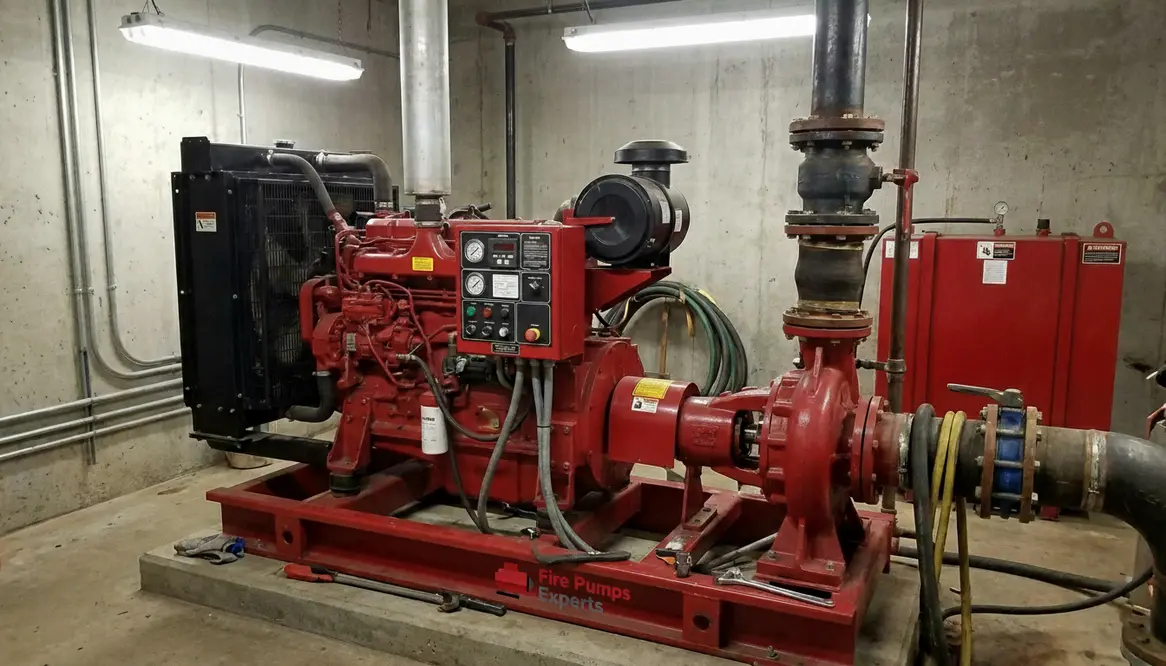
I start with the basics. The diesel fire pump must deliver dependable water flow and pressure during a fire event, even if normal power fails. That means I look at the full package, not just the pump itself. The pump, engine, controls, fuel supply, cooling, batteries, and test setup all need to work together. If one part slips, the whole system loses value.
For commercial and industrial facilities, I focus on these core points:
Left column
- Engine start reliability
- Fuel autonomy
- Battery backup
- Cooling and ventilation
- Automatic start logic
Right column
- Alarm signaling
- Weekly testing access
- Room layout and access
- Protection from flooding
- Service and inspection space
These items sound simple, but they carry real weight. For example, if the engine cannot start on command, the pump is just an expensive paperweight. And in fire protection, that is a joke nobody wants to laugh at after the fact.
How I check the diesel engine and fuel setup
The diesel engine must start quickly and keep running under load. I look for a setup that supports multiple automatic start attempts, because fire systems need resilience, not optimism. The fuel tank must hold enough diesel for the required duty cycle and test runs. It also needs clean fuel, proper piping, and safe storage.
Ventilation matters too. Diesel engines produce heat, so the pump room must let air move freely. I also check exhaust routing, because hot fumes need a safe path out of the building. If the room traps heat, the engine can struggle. That is not drama I enjoy in a critical life safety system.
In practice, I want the engine room to stay dry, clear, and easy to service. When technicians can reach parts without playing a game of equipment Tetris, maintenance goes better. And yes, that small detail can save time during inspections.
Why pump room design and controls matter
The pump room is where good design earns its keep. VdS CEA 4001 diesel systems need a space that protects the equipment and helps it run when needed. I check that the room has enough access for inspections, testing, and repair work. I also look at lighting, drainage, and temperature control.
Controls must stay simple and clear. The system should start automatically from pressure drop and also allow manual operation. Alarms should show engine failure, low fuel, battery issues, and other faults without guesswork. If the control panel reads like a mystery novel, the design needs work.
When I review a site, I also think about fire pump reliability in the broader sense. The room should support fast response and reduce downtime. That is where proper planning turns into real protection.
Which inspection points I never skip
I never skip the items that protect starting reliability. First, I check the batteries and charging system. Next, I confirm fuel level and fuel quality. Then, I verify that the pump can test properly without creating a mess or a shutdown risk. Finally, I confirm that alarms report clearly to the right team.
Here is the short version of what I expect during routine checks:
- Battery charge stays healthy
- Fuel level meets the required reserve
- Engine starts on demand
- Pump reaches rated performance
- Faults show on the panel fast
And yes, I always prefer a system that makes testing easy. If weekly testing feels like a bad episode of a reality show, people tend to avoid it. That is why clear access and strong documentation matter so much.
How I use VdS CEA 4001 diesel in commercial projects
For commercial and industrial properties, I use VdS CEA 4001 diesel as a guide for strong fire pump design and dependable operation. It helps me align the pump set with the building risk, the water demand, and the need for fast response. I also use it to support design choices that make sense over time, not just on day one.
When I review a project, I also look at how the fire pump supports the site as a whole. Major properties often depend on steady water supply, and a diesel pump gives a strong backup when electrical supply fails. That makes it a smart fit for facilities that cannot afford long interruptions.
If you want deeper technical support, I recommend reviewing a trusted VdS fire protection reference source alongside your project review. It helps keep the design grounded in real standards and practical steps.
FAQ: quick answers for featured snippets
Conclusion
If I want a diesel fire pump that stands up when pressure rises, I follow the VdS CEA 4001 diesel approach with care, discipline, and a sharp eye for details. For commercial and industrial facilities, the right design protects people, property, and business continuity. If you are planning a new system or reviewing an old one, now is the time to act. Build it right, test it well, and keep it ready.