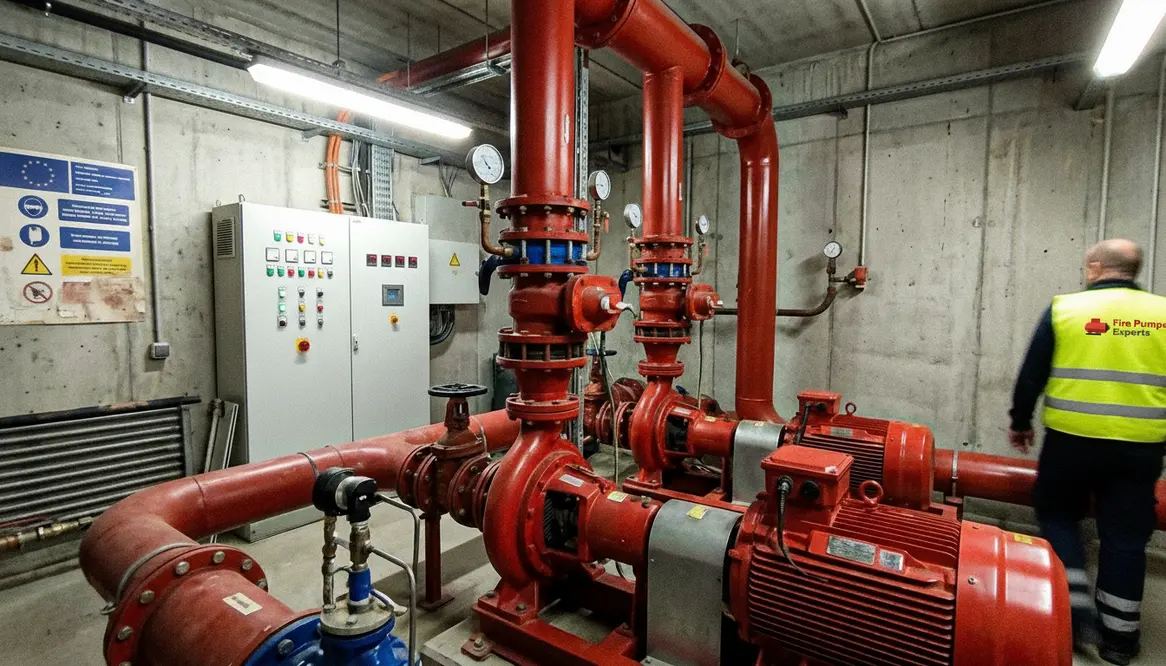
Hospital Fire Pump EU Design for Reliable Safety
I have spent years around critical infrastructure, and few systems command as much quiet respect as a hospital fire pump EU setup. In a place where seconds matter and lives hang in the balance, the fire pump is not just equipment. It is assurance. It hums in the background like a seasoned bodyguard, rarely noticed but always ready. And while the topic may sound as thrilling as watching paint dry, I promise there is more drama here than a late night hospital show. The difference is, this one is real.
How I Approach Fire Pump Design in European Hospitals
When I design systems for hospitals across the EU, I start with one simple truth. Failure is not an option. Therefore, every component must perform under pressure, both literally and figuratively. I follow EN standards closely, particularly EN 12845, while also aligning with local codes that vary from Berlin to Barcelona.
However, compliance alone is not enough. I focus on redundancy, because hospitals cannot pause operations. For instance, I often specify dual pump arrangements. If one decides to take a vacation at the worst possible moment, the other steps in without hesitation. It is like having a backup lead actor who actually knows their lines.
Moreover, I account for peak demand scenarios. Operating theaters, intensive care units, and high rise wings all influence pressure requirements. So, I calculate flow rates with precision, ensuring the system can handle simultaneous sprinkler activation without breaking a sweat.
What Makes a Hospital Fire Pump EU System Truly Reliable?
Reliability is not a single feature. It is a chain, and every link matters. I prioritize power supply first. In many EU hospital projects, I integrate both electric and diesel driven pumps. Why both? Because power outages do not send warning emails.
Next, I look at pump room placement. It must be accessible yet protected. Flooding, heat exposure, and vibration all pose risks. So I design spaces that shield the system while allowing easy maintenance. After all, even the best equipment needs a little care now and then.
Then there is monitoring. Modern systems connect to building management platforms, providing real time data. This means facility teams can spot issues early. Think of it as giving your fire pump a voice before it starts shouting.
Key Design Elements I Never Compromise On
The non negotiables behind the scenes
Hydraulic Precision
I calculate pipe sizing and pressure loss carefully. Even small miscalculations can reduce effectiveness during critical moments.
Material Durability
I select corrosion resistant materials, especially in older hospital retrofits where water quality can vary.
Redundant Controls
I include backup control panels to ensure continuous operation even if one fails.
Testing Accessibility
I design systems so teams can test them regularly without disrupting hospital operations.
Each decision builds toward one goal. Absolute dependability.
Adapting Designs to Different EU Regions
Designing across the EU is not a copy and paste job. Climate, infrastructure, and regulations all shift the approach. For example, in northern regions, I account for freezing temperatures by adding insulation and heating elements. Meanwhile, in southern areas, I focus more on water supply stability during peak summer demand.
Additionally, urban hospitals often face space constraints. So I optimize layouts, sometimes stacking components vertically or integrating compact pump systems. It is a bit like playing Tetris, except the stakes are significantly higher.
And yes, every once in a while, I encounter a building that seems designed by someone who hated straight lines. That is when experience truly earns its keep.
Why regional nuance matters for a hospital fire pump EU layout
Every hospital fire pump EU arrangement I work on has to respect local water sources, municipal resilience, and the realities of emergency response times. The same blueprint that performs flawlessly in a dense central European city might be a liability in a coastal region with fluctuating supply pressures.
Common Mistakes I See in Fire Pump Installations
Even in high profile projects, mistakes happen. Some are small. Others are the kind that make you stare at the ceiling and question reality.
One frequent issue is undersized pumps. Designers sometimes underestimate demand, which leads to insufficient pressure. Another problem is poor maintenance planning. A system may look perfect on paper but becomes useless if no one can service it properly.
Then there is the temptation to cut costs. I get it. Budgets exist. But compromising on critical components in a hospital is like removing parachutes to save weight. Technically efficient, but not recommended.
When someone treats a hospital fire pump EU specification like a place to trim the budget, they are quietly accepting risk on behalf of people who never agreed to it.
FAQ About Hospital Fire Pump Systems in the EU
Final Thoughts and Next Steps
Designing a hospital fire pump EU system is not just engineering. It is responsibility in its purest form. Every valve, every calculation, every decision contributes to safety. If you are planning a project or upgrading an existing facility, now is the time to act. Work with experts who understand the stakes and refuse shortcuts. Because when the moment comes, your system should not hesitate. And neither should you.