Fire Pump Retail Europe Safety Systems Guide
I have walked through enough massive shopping centers across Europe to know one thing for certain. Beneath the polished floors, bright lights, and the scent of overpriced coffee, there is a quiet system standing guard. It does not care about fashion seasons or holiday sales. It cares about pressure, flow, and timing. That system is what I like to call the backbone of safety in these buildings, the fire pump retail Europe network. And while it rarely gets applause, it absolutely deserves a standing ovation.
So let us take a steady, thoughtful look at what makes these systems essential, how they function, and why they are designed with such precision across large retail environments.
What makes fire pump systems essential in large retail centers?
I will put it plainly. Size changes everything. Large retail centers are not just bigger versions of small shops. They are complex ecosystems with long corridors, multiple floors, underground parking, and high occupancy. Therefore, water pressure alone from municipal systems simply cannot keep up in an emergency.
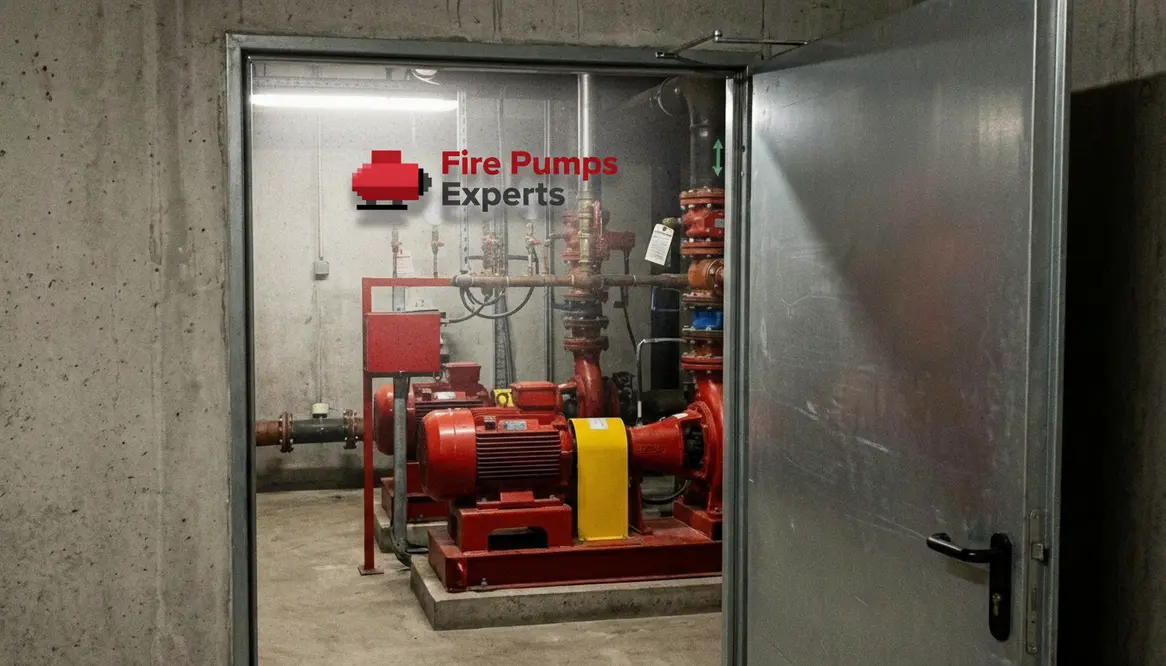
That is where fire pumps step in. They boost water pressure so sprinklers and hydrants perform exactly when needed. Moreover, these systems must respond instantly, because in a structure that large, seconds feel like minutes.
And let me add a little perspective. When thousands of people are inside a building, browsing, eating, or arguing over which shoes look better, the margin for error shrinks dramatically. Consequently, reliability becomes non negotiable.
How I see fire pump retail Europe designs evolving
Across Europe, design standards do not just meet expectations. They anticipate them. Engineers now integrate fire pump systems with smart monitoring, which means performance data flows continuously. As a result, facility managers can spot issues before they turn into problems.
In addition, redundancy plays a major role. Many large retail centers install multiple pumps, including diesel and electric options. If one fails, another takes over without hesitation. It is a bit like having a backup singer who secretly carries the entire performance.
Furthermore, energy efficiency is becoming a priority. Variable speed pumps adjust output based on demand, reducing waste while maintaining readiness. So while the system stands ready for emergencies, it does not waste resources when things are calm. This is where the most advanced fire pump retail Europe projects really stand out from older installations.
Key components I always pay attention to
When I assess a system, I focus on how each component contributes to the bigger picture. Every piece matters, and together they create a seamless response.
Core elements
- Fire pump unit that drives water flow
- Controller that manages activation
- Jockey pump that maintains pressure stability
- Water storage or reliable supply connection
Support systems
- Backup power sources for uninterrupted operation
- Pressure sensors for real time monitoring
- Alarm interfaces connected to building systems
- Maintenance access points for routine checks
Each component plays its role like members of a well rehearsed orchestra. And yes, if one goes off key, the whole performance suffers. This is especially true in the more complex fire pump retail Europe installations where a single weak link can undermine an otherwise impressive design.
Why compliance and standards shape every decision
Europe does not take fire safety lightly, and neither should anyone else. Regulations such as EN standards and local codes dictate how systems are designed, installed, and tested. Therefore, every decision must align with these frameworks.
I often remind people that compliance is not just about avoiding penalties. It is about ensuring that systems perform under real world conditions. After all, a fire does not care whether paperwork is complete.
Additionally, inspections and testing schedules are strict. Routine performance checks ensure pumps deliver the required pressure and flow. Consequently, operators gain confidence that systems will respond exactly as intended, which is the real measure of quality for any fire pump retail Europe strategy.
How modern retail environments integrate fire safety seamlessly
Today’s retail centers aim for more than safety. They aim for invisibility. Systems must function without disrupting the customer experience. So designers integrate fire pump infrastructure into building architecture in subtle ways.
For example, pump rooms are strategically placed for easy access yet hidden from public areas. Meanwhile, control systems integrate with building management platforms. As a result, operators can monitor everything from a central interface.
And here is where things get interesting. Some facilities now use predictive analytics. That means the system can suggest maintenance before a fault occurs. It is almost like the building whispers, “Hey, check this before it becomes a problem.” Not quite science fiction, but we are getting close.
Common challenges I see in large scale installations
No system is perfect, and large retail environments bring unique challenges. First, space constraints can complicate installation. Even in massive buildings, finding the right location for equipment requires careful planning.
Second, water supply consistency can vary. Therefore, systems must compensate for fluctuations without losing performance. This often leads to more advanced pump configurations.
Finally, coordination between multiple contractors can create gaps if not managed carefully. That is why experienced oversight is critical. Otherwise, you end up with a system that looks impressive on paper but struggles in practice.
FAQ
Conclusion
When I look at large retail centers, I see more than architecture and commerce. I see systems quietly protecting every visitor and every asset. If you manage or develop commercial properties, now is the time to take fire protection seriously. Invest in reliable solutions, demand expert design, and ensure your infrastructure meets the highest standards. Because when safety works perfectly, no one notices, and that is exactly how it should be. In the background, the fire pump retail Europe framework keeps doing its job, silently shaping safer shopping experiences across the continent.