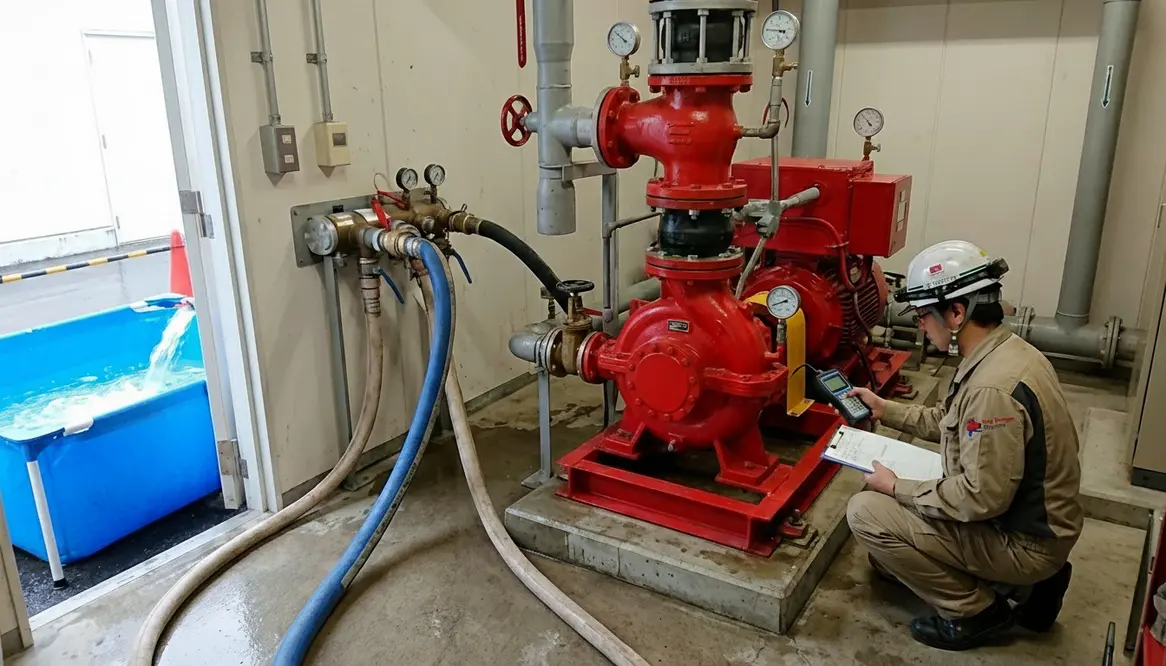
Fire Pump Flow Test Temecula Guide for Facilities
I have spent many years around commercial and industrial buildings, and if there is one system that quietly protects millions of dollars in property every single day, it is the fire pump. Most people never see it. It sits in a mechanical room, calm and patient, like a heavyweight boxer waiting for the bell. Yet when a sprinkler system needs serious pressure, that pump becomes the hero of the story.
That is why a fire pump flow test Temecula facilities rely on is not just a regulatory checkbox. It is proof that the pump will actually perform when things get hot. In Temecula, where warehouses, hotels, distribution centers, and large commercial buildings keep growing across the valley, facility managers need real confidence in their fire protection systems. Today I will walk through how pump flow testing works, why it matters, and what every facility manager should understand before the inspector shows up with gauges and clipboards.
What Facility Managers Usually Ask First About Fire Pump Flow Testing
Let me start with the question I hear most often when I walk into a pump room.
“Why do we even need a flow test if the pump already runs?”
Fair question. After all, if a car engine starts, most of us assume it works. However, fire pumps are not judged by whether they simply turn on. They are judged by how much water they move and at what pressure.
The three performance points that actually matter
During a proper pump flow test, we measure three key points.
- Churn pressure with no flow
- Rated flow performance
- Peak flow capacity
Because of these measurements, we learn if the pump meets its original design curve. If performance has dropped, something inside the system has changed. Sometimes the issue is mechanical wear. Other times it is a blocked suction line or a partially closed valve that nobody noticed during routine inspections.
In other words, the flow test tells the truth. And unlike a Hollywood action movie, we really do not want surprises during an emergency.
The Hidden Risks Inside Large Commercial Pump Rooms
Commercial and industrial facilities in Temecula face unique challenges with fire protection systems. These buildings are large, complex, and often run around the clock. Therefore, even small issues can hide for years.
I have walked into pump rooms where the equipment looked spotless. Fresh paint. Bright lights. Even the gauges looked new. Yet once we started testing, the pump delivered far less water than the system required.
Why does that happen?
Slow, quiet performance killers
Several factors slowly affect pump performance.
- Impeller wear inside the pump
- Mineral buildup in underground supply lines
- Pressure loss through aging valves
- Changes to sprinkler systems after renovations
Additionally, distribution centers and manufacturing plants often expand their operations. A new warehouse wing might add hundreds of sprinkler heads. However, if the fire pump capacity never gets reverified, the protection level may quietly fall below required standards.
That is why testing remains essential. The pump may look confident sitting there. Still, as my old maintenance supervisor used to say, “Trust the numbers, not the paint job.”
Inside a Fire Pump Flow Test Temecula Facilities Depend On
Let me walk you through what actually happens during a professional pump flow test. The process may look technical, yet the goal is simple. We measure how well the pump performs under controlled water flow.
Step 1: Instrument the system
First, technicians connect calibrated gauges to both suction and discharge lines. Accuracy matters here because even small pressure differences reveal big performance changes.
Step 2: Flow water in controlled stages
Next, we open the test header or flow meters to begin moving water through the system. Gradually, we increase flow in stages while recording pressure and gallons per minute.
Step 3: Plot the performance curve
The results create a performance curve. That curve tells us whether the pump still meets its rated output.
In large Temecula facilities, the test often looks dramatic. Multiple hoses discharge water with the enthusiasm of a summer blockbuster explosion. Thankfully, unlike a Michael Bay movie, nothing actually blows up.
However, every measurement matters. A small pressure drop might signal internal wear. Conversely, strong results confirm the system can support the entire sprinkler network during a real fire event.
Key Components That Affect Pump Performance
When I analyze test results, I do not look at the pump alone. Instead, I evaluate the entire system that feeds and supports it.
Water supply factors
- Municipal water pressure stability
- Condition of underground supply piping
- Backflow prevention equipment
- Water storage tanks for industrial sites
Mechanical pump elements
- Impeller condition and alignment
- Driver performance such as electric motors or diesel engines
- Controller response times
- Relief valve and circulation valve operation
Because these elements interact with each other, a strong testing program looks beyond simple numbers. A skilled technician interprets the data and identifies early warning signs.
Think of it like a doctor reading vital signs. The numbers alone matter. Yet the story behind those numbers matters even more.
Why Temecula Commercial Facilities Schedule Annual Flow Tests
Temecula continues to grow as a logistics and hospitality hub in Southern California. Warehouses expand along major transportation routes, while resorts and large commercial properties welcome visitors year round.
Because of that growth, reliable fire protection becomes a serious operational priority.
An annual fire pump flow test Temecula facility teams perform serves several critical purposes.
- Verifies compliance with NFPA standards
- Confirms system capacity after building modifications
- Identifies declining pump performance early
- Provides documentation for insurance and inspections
Additionally, testing protects the reputation of facility operators. When a building houses millions in equipment, inventory, or tenant operations, downtime is not just inconvenient. It becomes extremely expensive.
Therefore, proactive testing becomes part of responsible facility management. It is the difference between confidence and crossed fingers.
What Smart Facility Teams Do Before Testing Day
Pre-test checklist for Temecula facilities
The best pump tests rarely happen by accident. Strong facility teams prepare the building systems before technicians arrive.
- Confirm that all system valves remain fully open. Surprisingly, partially closed valves are one of the most common causes of failed flow tests.
- Review any recent changes to the fire protection system. Renovations, tenant improvements, or added storage areas may affect required pump capacity.
- Verify that the pump room remains accessible and safe for testing crews. Clear space around equipment allows technicians to work efficiently and safely.
- Review past testing records. Performance trends across several years often reveal slow declines that a single test might miss.
Preparation saves time. It also ensures the results truly reflect system performance rather than simple maintenance oversights.
Connecting Local Testing With Regional Expertise
Facility managers in the valley do not have to figure all of this out alone. Partnering with regional specialists who understand Temecula’s specific code environment, water conditions, and building profiles makes every fire pump flow test Temecula facilities schedule far more valuable.
If you need a starting point, explore how a dedicated Temecula fire protection provider approaches inspections, maintenance, and system upgrades by reviewing Temecula fire protection services from a full-service fire safety team. Seeing the broader picture helps you align pump testing with your overall life safety strategy.
That way, your pump test results turn into clear action steps instead of a confusing stack of numbers and charts.
FAQ: Fire Pump Flow Testing for Commercial Buildings
Over the years, I have heard the same concerns from facility teams getting ready for a fire pump flow test Temecula inspectors will review. Here are straightforward answers to the most common questions.
Protecting Temecula Facilities Starts with Reliable Pump Performance
Fire protection systems do not get second chances. When a sprinkler system activates, the pump must deliver full pressure instantly. A professional flow test confirms that performance before an emergency ever occurs.
If you manage a large commercial or industrial property in Temecula, scheduling regular testing keeps your facility aligned with code requirements and real-world fire risks. Treat every fire pump flow test Temecula crews perform as both a report card and a roadmap. The results show where your system stands today and what upgrades or maintenance will keep it strong for years to come.
In the end, it is simple. Reliable fire pump performance protects your building, your operations, and the people who walk through your doors every day. Connect with experienced fire pump specialists, put your testing program on a predictable schedule, and know that when the alarm sounds, your system is ready for the moment it matters most.