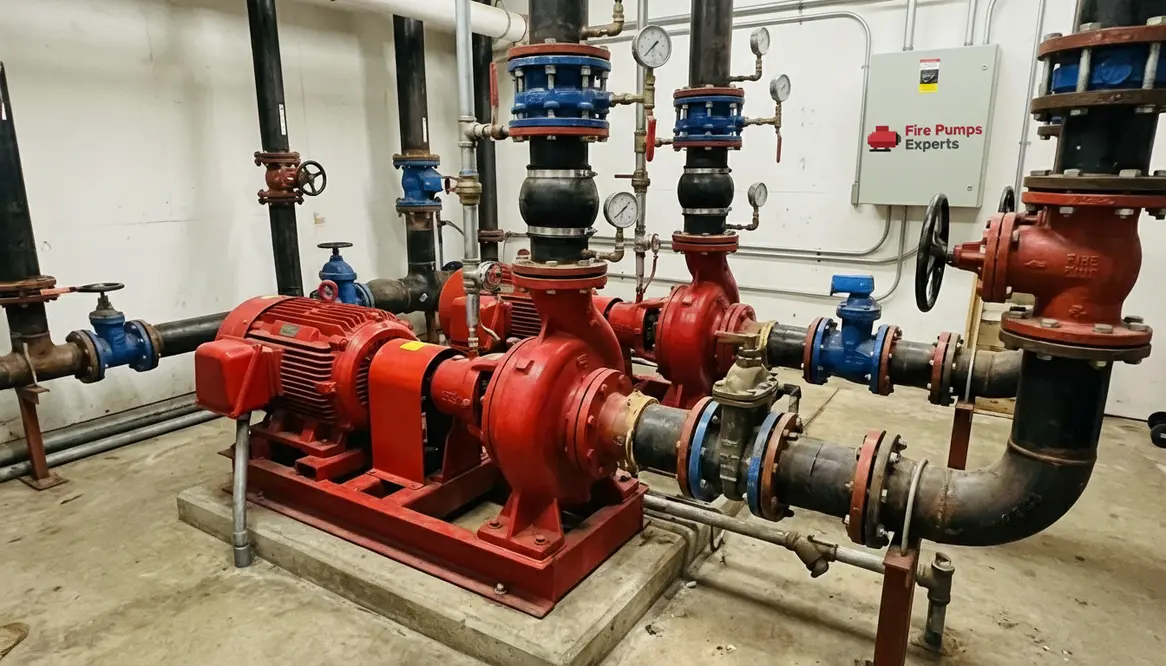
Fire Pump Inspection Chico Commercial Guide
There is a certain comfort in knowing that when everything goes wrong, something quietly dependable is ready to step up. In large facilities across Northern California, that dependable hero is often a fire pump. I have spent years around commercial systems, and I can tell you this with confidence: a well maintained fire pump can be the difference between a small incident and a headline nobody wants. That is exactly why fire pump inspection Chico commercial services matter for large facilities, industrial plants, hospitals, distribution centers, and multi building properties. In this guide, I will walk through the real factors that shape a reliable inspection. Not the dry checklist version. The practical, boots on the concrete floor version.
Why Fire Pumps Are the Quiet Guardians of Large Facilities
Every major property relies on layers of protection. Sprinklers, alarms, suppression systems, trained staff. However, none of those systems perform well without water pressure. That is where the fire pump earns its paycheck.
In commercial and industrial properties around Chico, pumps boost water pressure so suppression systems can actually do their job. Without that extra push, water may never reach upper floors, long warehouse aisles, or high demand sprinkler zones.
Because of that, inspections are not just a routine item on a maintenance calendar. They verify that every mechanical and electrical component can perform under stress.
Think of it like a movie stunt double. The hero looks cool on screen, but when the explosion hits, you want someone trained and ready to handle the impact. A fire pump inspection ensures your system is ready for that moment. Hopefully the explosion never comes, but preparation is the entire point.
Moreover, regulatory requirements such as NFPA standards expect commercial facilities to maintain operational readiness. Skipping inspections does not just risk safety. It can also lead to compliance issues, insurance problems, and costly downtime.
What Do Inspectors Actually Check During a Fire Pump Inspection?
I often hear this question from facility managers. People imagine someone glancing at a gauge, scribbling a note, and heading out for coffee. In reality, a proper inspection digs much deeper.
When professionals evaluate a commercial pump system, they examine mechanical performance, electrical control systems, and the environment around the pump itself.
Key inspection points typically include
Driver performance
Electric motors or diesel engines must start instantly and run at proper speed. Delays or hesitation can signal mechanical wear or electrical faults.
Controller response
Controllers command the pump to start when pressure drops. Inspectors verify that automatic start signals trigger correctly and consistently.
Pressure and flow readings
Technicians confirm the pump delivers the correct pressure output under test conditions.
Valves and piping integrity
Corrosion, vibration damage, or partially closed valves can quietly weaken system performance.
Fuel and battery systems
Diesel driven pumps rely on dependable fuel and strong batteries. Weak batteries can delay startup.
Additionally, inspectors evaluate the surrounding environment. A pump room that doubles as a storage closet for old pallets and forgotten office chairs is not exactly ideal. Believe me, I have seen stranger things.
Factors That Affect Fire Pump Reliability in Chico Facilities
Not every facility faces the same conditions. Chico has a unique combination of climate, building types, and industrial activity that influences pump performance.
Because of that, a thoughtful inspection considers several environmental and operational factors.
Local conditions and operational demands
Climate and temperature shifts
Seasonal changes can affect diesel engines, seals, and electronic components. Heat waves and winter cold both stress equipment differently.
Facility size and water demand
Large distribution centers or manufacturing plants often require high capacity pumps. Heavy demand increases wear over time.
System age
Older systems may still function well. However, aging components require closer monitoring to avoid sudden failures.
Municipal water supply pressure
If city pressure fluctuates, the pump must compensate. Inspections ensure the pump can handle those swings without delay.
Additionally, facilities with complex sprinkler zones or large square footage depend heavily on pump reliability. In those environments, inspections help identify small issues before they become expensive emergencies. A focused fire pump inspection Chico commercial plan should always factor in these local realities.
Common Issues Found During Commercial Fire Pump Inspections
Here is the part where reality sets in. Even well managed properties occasionally develop system issues. The good news is that inspections often catch them early.
Mechanical concerns
Seal wear
Bearing vibration
Improper alignment
Blocked suction lines
Cooling system issues
Electrical or control problems
Controller communication faults
Weak starting batteries
Sensor calibration errors
Delayed automatic start
Power supply inconsistencies
Interestingly, many problems start small. A slightly misaligned shaft may not cause immediate failure. Yet over time, vibration increases, components wear faster, and performance drops.
This is why consistent fire pump inspection Chico commercial programs matter. They detect small irregularities before they snowball into system failure.
And yes, sometimes inspectors also discover things that make everyone scratch their head. I once saw a pump room where someone stored holiday decorations next to critical valves. Apparently Santa needed fire protection too.
How Often Should Commercial Fire Pumps Be Inspected?
For commercial and industrial facilities, inspection schedules are not random guesses. Industry standards guide them.
NFPA guidelines typically recommend:
Core inspection and testing intervals
Weekly or monthly visual checks
Basic operational status and gauge readings.
Monthly pump churn tests
Running the pump briefly to verify proper startup and pressure maintenance.
Annual flow testing
A full performance test that confirms the pump delivers rated water flow.
However, high risk properties sometimes perform additional testing. Hospitals, data centers, and large manufacturing plants often maintain stricter routines.
Regular inspections also create documentation. Facility managers gain a performance history that helps predict future maintenance needs.
Think of it like tracking the health of an athlete. If performance slowly drops, you can intervene before something tears. Fire pumps deserve that same attention, especially when you are building a long term fire pump inspection Chico commercial strategy.
What Chico Facility Managers Should Expect From a Professional Inspection
When I evaluate a commercial fire pump system, I focus on more than ticking boxes. I look at the entire protection ecosystem.
A professional inspection should deliver several clear outcomes.
Outcomes that actually matter
Accurate system performance data
Managers need measurable pressure and flow results.
Compliance verification
Facilities must meet applicable fire safety codes and inspection standards.
Preventive maintenance insight
Technicians should identify wear patterns and recommend future service steps.
Clear reporting
Reports must explain findings in plain language so property teams can act quickly.
Moreover, experienced inspectors understand large facility operations. Industrial properties run on tight schedules. Inspection teams must work efficiently while minimizing disruption.
After all, nobody wants a fire safety test shutting down a busy warehouse loading schedule. That tends to generate the kind of phone calls that make coffee taste bitter. Partnering with a team that treats your fire pump inspection Chico commercial schedule with respect can make all the difference.
FAQ About Commercial Fire Pump Inspections
Facility teams across Northern California ask many of the same questions. Below is a quick reference section tackling the most common concerns about keeping a commercial fire pump inspection program on track.
Keeping Your Facility Ready When It Matters Most
Large properties operate like small cities. People move, machines run, and systems quietly support everything behind the scenes. Fire pumps belong to that quiet infrastructure. However, when emergencies strike, they become the most important machine in the building.
If you manage a commercial or industrial property in Northern California, consistent inspections protect both people and operations. Building a disciplined fire pump inspection Chico commercial plan turns a single piece of equipment into a dependable safety backbone for your entire facility.
For deeper technical guidance, many property teams find it useful to review a dedicated resource such as the fire pump service overview from a specialized provider. Understanding how inspection, testing, and maintenance work together makes it easier to budget, schedule, and prioritize upgrades before problems surface.
Schedule a professional evaluation with firepumps.org and ensure your system is ready before the unexpected ever arrives.