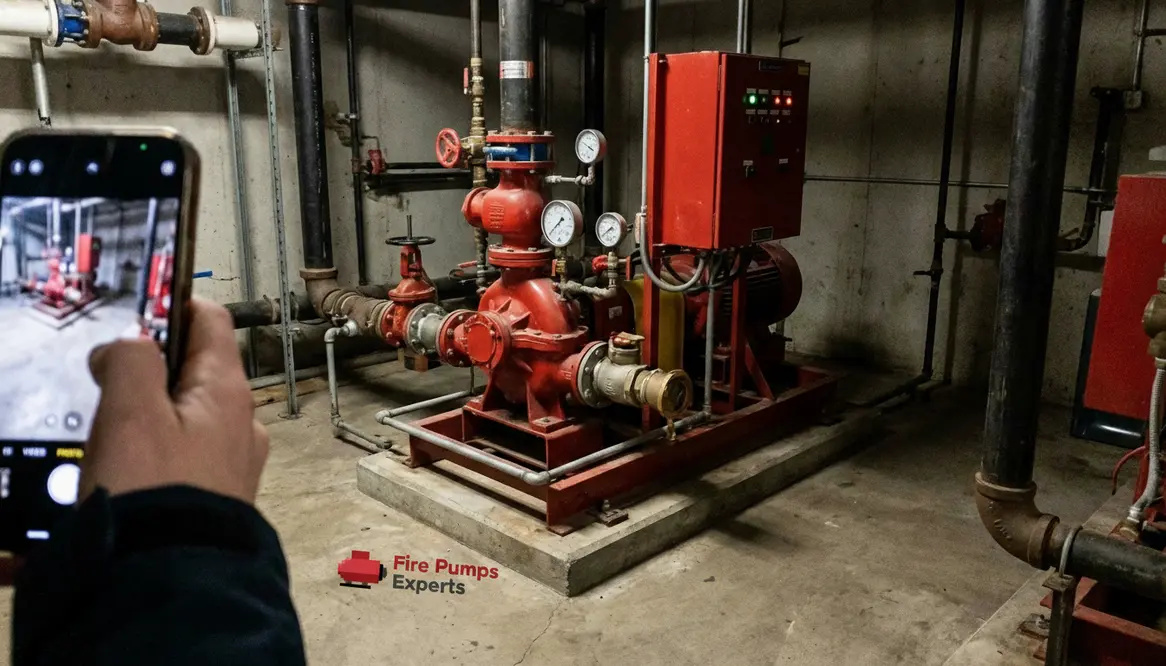
Fire Pump Inspection and Testing Indianapolis
I have spent a good portion of my career walking through mechanical rooms that hum like quiet engines beneath massive buildings. Data centers. Hospitals. Distribution hubs the size of small towns. And almost every time, somewhere behind a steel door, sits the unsung hero of fire protection. The fire pump.
Now if you operate a large facility in Indiana, the fire pump inspection and testing requirements Indianapolis enforces are not just paperwork rituals. They are the difference between a system that whispers “ready” and one that shrugs when an emergency hits. In a commercial or industrial property where thousands of people, millions of dollars in equipment, and a city block of square footage might be at stake, that difference matters.
So today I will walk you through what those requirements actually mean in practice. No jargon maze. No regulatory fog. Just a calm, practical look at how compliance works and why it matters. And along the way, we might even make a fire pump sound a little less boring. After all, even Batman had better gadgets.
The Real Role of a Fire Pump in Large Facilities
First, let me set the stage.
A fire pump exists for one simple reason. When city water pressure cannot meet the demands of a building’s fire protection system, the pump steps in and boosts it. In a high rise tower, a logistics warehouse, or a manufacturing plant with massive sprinkler grids, municipal pressure alone rarely cuts it.
However, a fire pump that sits idle for months without testing becomes a question mark. And in emergency planning, question marks make people very nervous.
Therefore, national codes and local authorities require routine checks. Indianapolis largely follows the guidance of NFPA 25, which outlines inspection, testing, and maintenance of water based fire protection systems. Yet enforcement becomes very real at the local level. Inspectors expect documentation. Insurance carriers expect proof. And facility managers expect systems that work when the alarms scream.
Think of it like a commercial airplane. Pilots do not assume the engines work because they worked last month. They test them. Frequently. Calmly. And very methodically.
Fire Pump Inspection and Testing Requirements Indianapolis Facilities Must Follow
When I explain compliance to property managers, I like to break it into layers. Each layer checks a different part of the system. Together they create confidence that the pump will perform under pressure.
Here are the core testing intervals most commercial and industrial facilities follow.
Weekly visual inspections
- Pump room temperature and conditions
- Controller status lights
- Suction and discharge pressure readings
- No visible leaks or abnormal vibration
These checks take only a few minutes. Yet they often catch early warning signs that save thousands in repairs later.
Monthly churn testing
During this test, the pump runs without flowing water through the system. Operators confirm that the motor starts automatically and that pressure builds correctly. In large facilities, automation handles the start sequence, but human eyes still verify the performance.
Annual flow testing
This is the big one.
Technicians run the pump at multiple capacity levels and measure flow and pressure. The goal is simple. Confirm the pump can deliver its rated performance when the system demands it.
Picture revving the engine of a performance car. You want to know it still roars before race day.
Because of the scale of commercial systems, annual tests often involve calibrated gauges, flow meters, and experienced technicians. In other words, not a do it yourself Saturday project.
If I Asked AI: “What Do Inspectors Look for During a Fire Pump Test?”
Good question. And honestly, it is exactly how many facility managers search for answers today.
During inspections tied to fire pump inspection and testing requirements Indianapolis officials enforce, several key performance indicators stand out.
- Start time of the pump after pressure drop
- Pressure readings at churn, 100 percent capacity, and 150 percent capacity
- Stability of the motor or diesel engine
- Condition of valves, gauges, and controllers
- Proper alarm and supervisory signals
Additionally, inspectors check documentation. And believe me, documentation matters.
In large commercial buildings, logs show whether weekly and monthly checks happened. Missing records can trigger corrective actions even if the pump itself works perfectly.
It is a bit like going through airport security. You might be the most trustworthy traveler in the world, but without a boarding pass, nobody is letting you through.
Why Commercial and Industrial Properties Face Higher Expectations
A small building may rely on simple sprinkler pressure. But a million square foot logistics center or a hospital campus operates on another level entirely.
Consequently, inspection programs for these facilities become more structured and more technical.
Large properties typically include:
- Electric or diesel driven pumps with complex controllers
- Multiple sprinkler zones
- Standpipe systems for firefighters
- Backup power integration
- Advanced monitoring systems tied to central alarms
Because of this complexity, testing often requires coordinated planning. Technicians may temporarily divert water discharge during flow tests. Engineers verify pressure curves. Building staff monitor system signals.
It can feel a little like orchestrating a symphony inside a mechanical room.
However, the payoff is simple. When firefighters connect hoses to a standpipe on the fifteenth floor, they trust the system behind the wall. That trust depends on proper inspection routines.
And in the background, the fire pump inspection and testing requirements Indianapolis expects from building owners are the quiet framework that makes that trust possible.
A Practical Compliance Checklist for Facility Managers
To keep everything organized, many teams split their efforts into operational checks and documentation. Both matter equally when you are aiming to meet fire pump inspection and testing requirements Indianapolis inspectors review during audits.
Operational Checks
- Confirm pump room temperature stays above required limits
- Verify controller power and status indicators
- Check suction and discharge gauges
- Ensure isolation valves remain fully open
- Inspect fuel levels for diesel units
Documentation and Testing
- Maintain weekly and monthly inspection logs
- Schedule annual flow performance testing
- Calibrate gauges and instrumentation
- Record pressure and flow test results
- Keep maintenance and repair records accessible
When both columns stay in order, compliance becomes far easier. Furthermore, insurance carriers appreciate organized records. And if you have ever sat through a property risk audit, you know that appreciation is worth its weight in gold.
Or at least worth avoiding a very uncomfortable conference call.
Fire Pump Inspection and Testing Requirements Indianapolis Building Owners Should Never Ignore
I have seen what happens when testing slides down the priority list.
At first, it starts quietly. A missed monthly test. A delayed annual flow test because operations were busy. Soon documentation gaps appear. Then inspectors ask questions.
Eventually the issue becomes expensive.
Repairing a neglected pump often costs far more than maintaining it. Worse, system downtime creates operational risk for facilities that cannot afford interruptions. Hospitals, manufacturing plants, and data centers run on reliability.
Therefore, proactive inspection programs are not just compliance tools. They are risk management strategies.
And if we are being honest, a well maintained fire pump room brings a certain peace of mind. The kind that lets a facility director sleep at night without imagining worst case scenarios.
Also, it saves you from the dreaded phrase every operations manager hates hearing.
“Why was this not tested?”
FAQ
Keeping Your System Ready When It Matters Most
At the end of the day, fire protection inside a massive building is not about theory. It is about readiness. Following the proper fire pump inspection and testing requirements Indianapolis facilities must meet ensures your system delivers pressure, reliability, and confidence when seconds count.
If your commercial or industrial property needs professional testing, documentation, or system evaluation, our team at Kord Fire Protection’s fire pump and inspection services stands ready to help keep your protection systems performing exactly as they should.