Fire Pump Inspection Records Vallejo Compliance Guide
A practical walkthrough for commercial and industrial facilities that want compliant, readable, and reliable fire pump documentation in Vallejo.
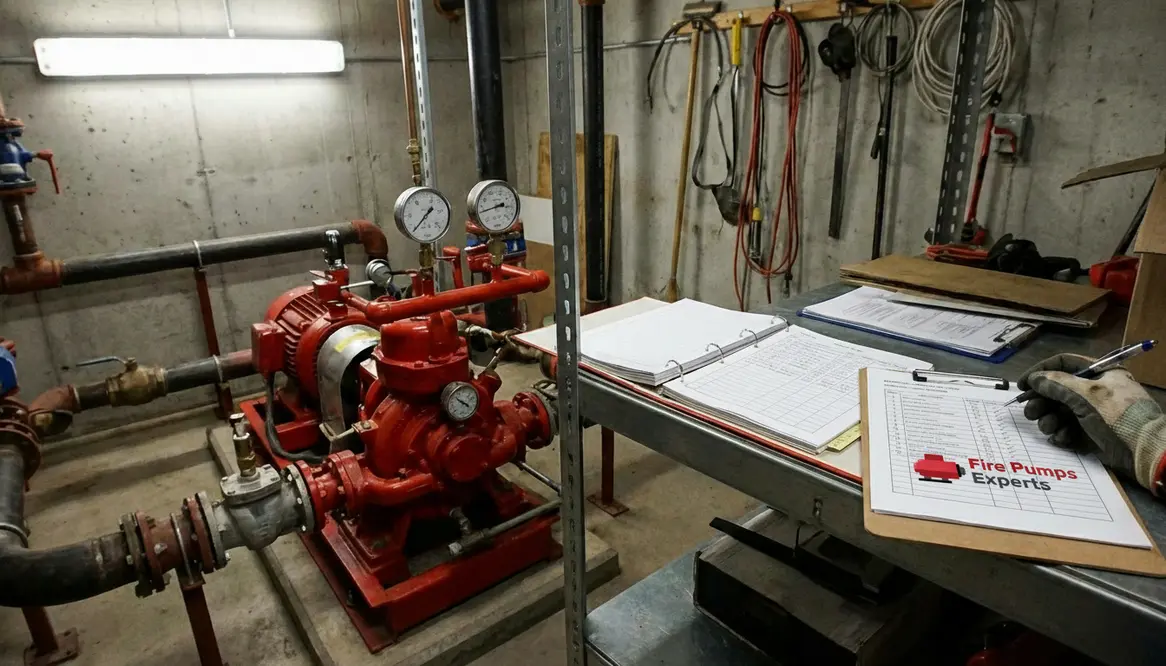
I have spent a lot of time around fire protection systems. Pumps humming in mechanical rooms. Gauges quietly doing their job. Logbooks sitting on a shelf like a diary no one reads until something goes wrong. And if you manage a large commercial or industrial facility in Vallejo, you already know those details matter. Especially when it comes to fire pump inspection records Vallejo facilities must maintain to stay compliant and safe.
Now, paperwork rarely wins any popularity contests. It sits somewhere between tax forms and airline middle seats. However, the truth is simple. Proper fire pump documentation can protect your property, your people, and your reputation. In fact, the right records often speak louder than the pump itself. Today I want to walk through the records that truly matter and why keeping them organized is far more important than it might seem.
What records do commercial buildings in Vallejo actually need for fire pump systems?
Let me answer this the way I would if we were standing in a pump room together.
You need documentation that proves your system works today, worked yesterday, and will work tomorrow. Inspectors, insurers, and safety teams all rely on that story.
First, inspection reports form the backbone of your documentation. These reports confirm that technicians reviewed valves, controllers, alarms, and pressure readings. Without them, there is no proof that the system received attention.
Next come weekly churn test records. These tests verify that the pump starts correctly and maintains pressure. It might feel routine. However, routine is exactly what keeps emergency systems reliable.
Flow test reports also carry serious weight. During these tests, technicians measure water flow and pressure while the pump runs under load. If the pump cannot deliver enough water, the test exposes the problem long before a fire does.
Finally, maintenance records track repairs and adjustments. If a technician replaces a seal or tunes the controller, that information belongs in the system history.
Together, these records create a timeline. And in large facilities across Vallejo, that timeline tells regulators one simple thing. This building takes fire protection seriously.
Why fire pump documentation quietly protects your facility
At first glance, records look like simple paperwork. Yet behind those pages sits a powerful layer of protection.
For example, fire investigators often review system documentation after an incident. They want to see inspection history and performance data. When records are complete, they show that the building management followed safety protocols.
Insurance carriers think the same way. They expect proof of testing and maintenance. If something goes wrong, strong documentation helps demonstrate responsible oversight.
Additionally, regulators from state and local authorities depend on those records during inspections. When documentation is clear and organized, the entire process moves smoothly.
And let us be honest. Nobody enjoys surprise compliance headaches. Not the facility manager. Not the safety officer. Not the maintenance team.
Think of fire pump documentation like the behind the scenes crew of a movie. The actors get the spotlight, but the production would collapse without the crew making everything work quietly in the background. Yes, even in action movies where things explode every ten minutes.
Fire pump inspection records Vallejo facilities should track every month
Consistency makes a fire pump system dependable. That is why structured documentation matters month after month.
When I review pump records for large facilities, several items always deserve attention.
Monthly inspection checklists
These verify system condition. Technicians confirm valve positions, controller status, and overall pump readiness.
Controller alarm history
Controllers record electrical or operational faults. Reviewing those logs helps detect developing issues before they grow into failures.
Pressure gauge verification
Pressure readings tell a story about system performance. Documenting them monthly allows teams to spot slow changes over time.
Fuel levels and battery status
Diesel driven pumps depend on reliable fuel supply and batteries. Missing this documentation is like owning a sports car with an empty gas tank.
All of these details contribute to reliable fire pump inspection records Vallejo inspectors expect when reviewing large commercial properties.
Furthermore, organized monthly documentation allows maintenance teams to notice trends. A slight pressure drop today might signal a mechanical issue tomorrow. Catching those clues early saves serious time and money.
How I organize fire pump system records for large facilities
Every facility operates differently. However, over the years I have developed a method that keeps documentation clear and accessible.
The goal is simple. Anyone reviewing the records should understand the system history within minutes.
Operational records
- Weekly churn test logs
- Monthly inspection reports
- Controller alarm history
- Pressure gauge readings
- Diesel fuel levels and battery checks
Compliance documentation
- Annual flow test reports
- Maintenance and repair records
- Technician certification reports
- Inspection authority approvals
- System upgrade documentation
By separating operational data from compliance records, facility managers avoid digging through stacks of paper during inspections. Everything lives where it belongs.
Moreover, digital backups make life easier. When records exist both physically and electronically, teams can access them quickly during audits or emergency reviews.
And trust me, when inspectors walk into a mechanical room and see organized documentation, the atmosphere immediately relaxes. It is the professional equivalent of offering someone a good cup of coffee.
If your team needs a practical reference on what thorough testing and documentation looks like, resources like the fire pump service and inspection overview from Kord Fire Protection can help you align on expectations before the next big review.
The hidden risk of missing fire pump records
Now let us talk about what happens when documentation disappears.
Unfortunately, missing records create uncertainty. Inspectors cannot confirm system reliability. Insurance teams start asking uncomfortable questions. Compliance deadlines suddenly become stressful.
In large commercial buildings, that uncertainty can spread quickly across management teams.
Without accurate logs, maintenance teams may also miss early warning signs. Pumps rarely fail without warning. Small clues appear first. A pressure fluctuation here. A delayed startup there.
However, those clues only become visible through consistent documentation.
Imagine trying to watch the latest season of your favorite streaming show but starting in the middle. Characters appear. Plot twists happen. Yet nothing makes sense because the earlier episodes are missing.
Fire pump documentation works the same way. Without the full record, the story falls apart. That is why strong fire pump inspection records Vallejo facilities maintain are as critical as the metal and wiring in the pump room.
FAQ about fire pump system records
Facility teams across Vallejo ask similar questions when they start tightening up their documentation. Before you overhaul your binders and digital folders, it helps to clarify a few fundamentals about how fire pump inspection records Vallejo authorities and insurers typically expect to see are structured and maintained.
The following common questions often come up during internal audits, safety committee meetings, or right after someone discovers that last year’s test reports are hiding in the wrong file cabinet.
Reliable documentation keeps Vallejo facilities prepared
Fire pumps rarely demand attention. Most days they sit quietly, ready for a moment everyone hopes never arrives. Yet the records behind them speak volumes about the safety culture inside a building.
If you manage a large commercial or industrial property, keeping detailed inspection and maintenance documentation protects your facility and simplifies compliance. Strong fire pump inspection records Vallejo teams build over time give you a clear narrative when regulators, insurers, or investigators start asking questions.
Our team specializes in helping organizations maintain organized, accurate fire pump records and testing support. Reach out today and let us help ensure your system history tells the right story when it matters most.