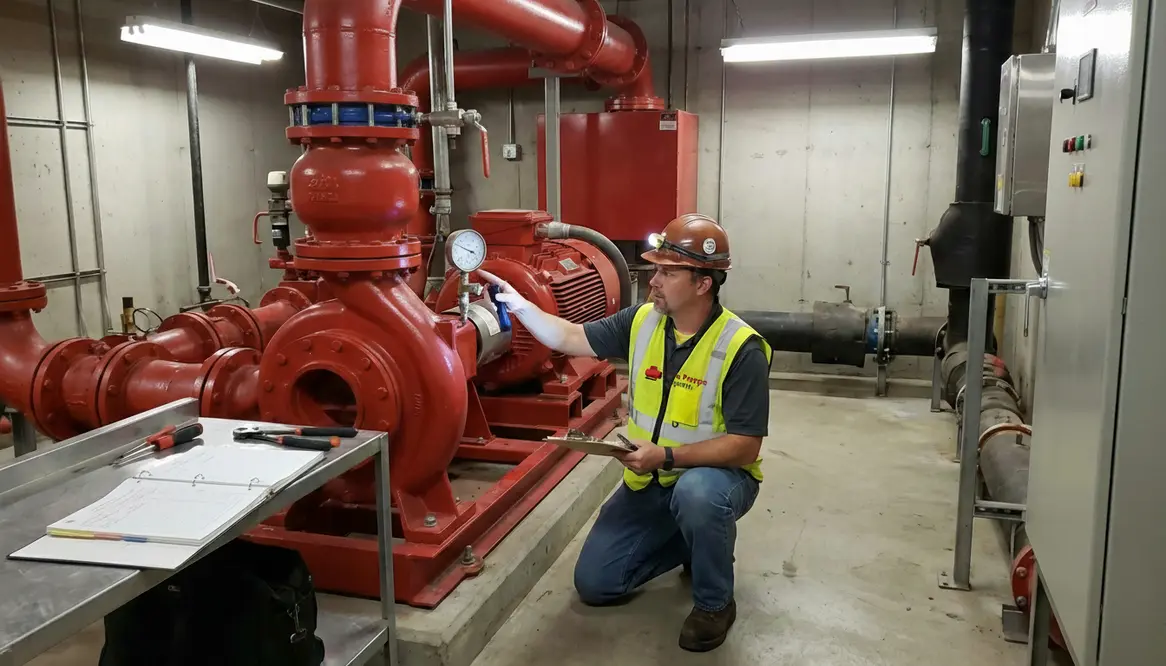
Fire Pump Maintenance for Manteca Facilities Explained
Fire Pump Maintenance Responsibilities for Facilities in Manteca: An Essential Guide Without the Snooze Button
In the heart of the Central Valley, within the growing grid of commercial and industrial properties, fire pump maintenance in Manteca CA often gets filed under the “someday” category. Coincidentally, “someday” tends to come knocking right around inspection day—or worse, at the first sign of a fire emergency. And let’s just say, that’s a terrible time for surprises.
If you manage or operate a facility of scale—a commercial complex, sprawling distribution center, or industrial giant—then guess what? Fire pumps aren’t just steel and horsepower tucked into a utility room. They’re your property’s first responder… minus the sirens and chili cook-offs. Now, let’s talk about what really goes into keeping your fire pumps emergency-ready without sounding like we’re reading circuit diagrams aloud.
The Role Fire Pumps Play While You’re Sleeping
Ah, the humble fire pump: the unsung hero of fire protection systems. Often overlooked, until, of course, everything’s ablaze and everyone’s frantically flipping through maintenance reports like it’s a Sudoku puzzle.
These systems are responsible for supplying water at high pressure when the demand exceeds what your building’s municipal supply can handle. Essentially, fire pumps are what step in when your sprinkler system needs a little more muscle. And in Manteca’s fluctuating industrial grid with varied zone pressures and growing vertical builds, that muscle is more than necessary—it’s mandatory.
To simplify it: no fire pump maintenance, no consistent pressure. No pressure… well, you get the punchline.
Fun fact? A running fire pump can deliver an average of 500 to 1,500 gallons of water per minute. Now imagine showing up on inspection day with a pump that groans like a 2000s dial-up modem. That’s not power, that’s paperwork with a $50K price tag.
What Does Fire Pump Maintenance Really Entail?
If you think maintenance means giving the pump a look-see and pat on the back every once in a while, let me stop you right there, cowboy. Maintaining a fire pump is more like checking in on a slightly bitter old friend—regularly, gently, and with keen attention to signs it’s about to bite you.
- Weekly Checks: Verifying the pump’s physical condition, valve positions, and any visible leaks or corrosion
- Monthly Start Tests: Running a no-flow test (called a churn test) to make sure the pump starts and runs under zero-pressure load
- Quarterly Flow Tests: Here’s where we simulate chaos: exerting the pump under full demand with water flowing to ensure pressure consistency
- Annual Inspections: Bringing in the big guns—certified inspectors who fully evaluate the controller, gauges, valves, casing, and electrical systems
Each level of check digs deeper than the last, peeling back layers of minor wear before they become major failures. You want your pump ready like Batman in a back alley—not Clark Kent in a cubicle.
Common Pitfalls…And Yes, You Might Be Guilty
No judgment here—just real talk. From my personal walk-throughs of Manteca commercial sites, I can tell you this isn’t rare:
Neglected Batteries
Standby batteries too weak to start the system. Newsflash: they’re not eternal; they’re more like your phone at 3% while streaming Netflix.
Pump Room Sauna
High-temperature environments shorten equipment life. If it feels like a Palm Springs summer in there, you’ve got an HVAC issue.
Improper Testing Logs
Many facilities “forget” to maintain accurate records. If OSHA swings by and all you’ve got is a Post-it note from 2022, you’ve already lost.
Soundproofing Fail
When pumps start rattling louder than a Fast & Furious engine montage, trust me—it’s not an upgrade. It’s an SOS.
The first step is admitting it. The second step is calling in professionals who specialize in fire pump maintenance in Manteca CA. Maintenance is not a DIY YouTube moment. Let the certified folks with torque meters and senses of purpose handle it.
How Do I Know My Facility’s Fire Pump Is Up to Code?
If you’re unsure whether you’re up to code, it usually means you’re not. But hey, that’s why we’re here.
National Fire Protection Association (NFPA 25) outlines specific standards for inspection, testing, and maintenance of water-based fire protection systems. These rules apply across commercial and industrial properties and get stricter based on building height, occupancy load, and system size.
In California, state codes overlay NFPA with additional requirements, especially in dense zones like parts of Manteca. You’ll need:
- Annual certifications for fire pump systems, usually by a third party
- Five-year full flow inspections under simulated fire conditions
- Weekly and monthly logs stored for at least one year
These aren’t just suggestions; they’re fire marshal magic words. So unless your goal is to singlehandedly become the plot of a future Netflix docuseries entitled “Inferno: The Manteca Mishap,” I’d say stay code compliant.
Who’s Supposed to Do What? A Breakdown of Responsibilities
Great maintenance starts with accountability. But in the culture of commercial facilities, fire pumps often wind up in a game of hot potato—tossed from operations to facilities management to maintenance, until no one really owns them.
Here’s how responsibilities usually break down:
- Facilities Managers: Own execution of weekly checks, logging, and contractor scheduling
- Building Engineers: Perform minor diagnostics and relay repair needs
- External Vendors: Certified technicians for monthly, quarterly, and annual testing
- Property Owners: Oversee code compliance and budget for upkeep
If you don’t know who’s doing the monthly churn test, that’s your sign. Assign it clear ownership—unmistakable, deliberate, and impossible to ignore.
Why Skipping Maintenance Costs You More (Spoiler: It Always Does)
Here comes the part every CFO secretly dreads—cost analysis. Still, the numbers never lie.
The average fire pump component failure costs $3,000 to $7,000— and that’s just for mechanicals. Compliance fines in Manteca can soar past five figures, and let’s not even speak of lawsuits after an event.
Compare that to a well-maintained routine where a service plan might cost $250 to $800 monthly for a full commercial system. That’s protective armor for your building at less than your monthly espresso budget.
And in a world where buildings are more automated and insured risks scrutinized under tighter policy terms, having meticulous pump upkeep isn’t a best practice—it’s a requirement.
If you want a deeper technical breakdown of inspection and testing schedules, resources like the routine fire pump inspections guide from Kord Fire Protection pair nicely with a proactive fire pump maintenance plan.
FAQ: Fire Pump Maintenance in Commercial & Industrial Facilities
How often should fire pumps be inspected?
Weekly visual checks, monthly start tests, and full annual inspections are required by NFPA 25.
Can in-house teams handle maintenance?
Basic checks, yes. But certified vendors are required for full compliance testing and diagnostics.
What types of pumps need maintenance?
All fire pumps—diesel, electric, and steam turbine need scheduled service.
Does California have different codes?
Yes. California adds unique layers to NFPA 25, including seismic compliance and reporting formats.
What if my system fails an inspection?
You’ll need immediate corrections and follow-up testing within weeks to remain code compliant.
Let’s Be Honest… Fire Pump Maintenance Isn’t Optional, It’s Operational
You can’t afford to roll the dice on something as essential as fire pump functionality inside a multi-million dollar facility. From keeping your insurance valid to quite literally saving the walls around you—it all starts with a system that runs as seriously as you take your profit margins.
Don’t wait for the sirens. Set the standard early, and keep it consistent.
If you operate a commercial or industrial facility in the Central Valley and need proactive, no-nonsense fire pump maintenance in Manteca CA, we’re ready when you are. When you partner with certified specialists for fire pump maintenance Manteca CA programs, you’re not just checking a box—you’re building a safety culture that holds up under pressure.
From high-bay warehouses to mid-rise offices, the right fire pump maintenance Manteca CA schedule turns your pump room from a liability into an asset. Let’s secure your systems before it becomes a headline. Get in touch today for tailored service packages that protect your property—and your peace of mind.