Fire Pump Standards for High Rise Buildings
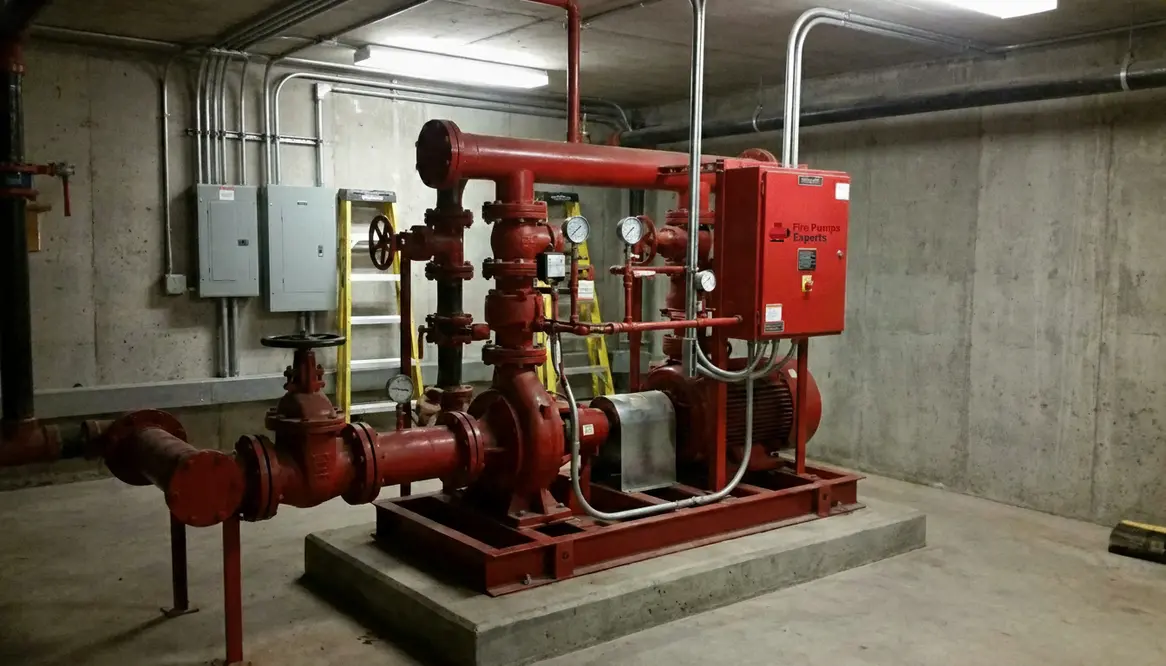
When I talk about fire pump standards for international high rise buildings, I am not talking about paperwork for the sake of paperwork. I am talking about the quiet machinery that stands between a small problem and a very bad day. In tall commercial and industrial properties, pressure drops fast, gravity acts like it owns the place, and the fire pump becomes the hero nobody claps for until the alarm sounds. That is why these standards matter. They shape how I design, test, place, and maintain fire pump systems so they can do their job when the building rises higher than common sense on a Monday morning.
In this article, I will break down the main requirements, the design logic behind them, and the checks I use to keep systems ready for major properties around the world.
What Fire Pump Standards Mean for High Rise Buildings
In high rise work, I treat fire pump standards as the rulebook for dependable water delivery. International codes may differ a bit by country, but the goal stays the same. The system must supply enough pressure and flow to reach the top floors, fight friction loss, and support sprinklers, standpipes, and hose connections. If the pump cannot do that, then the system only looks impressive on paper. And paper, as we know, does not stop fire.
Most standards focus on three things: pump capacity, pressure performance, and reliability. I also look at water supply, power source, controller type, and room layout. For high rise commercial towers, these pieces must work together. One weak link can bring the whole chain down, which is a little too dramatic for a safety system that is supposed to be boring.
How I Size Pumps for Tall Commercial and Industrial Buildings
I start with the real demand of the building. That means I review the highest outlet, the expected pressure loss, and the flow needed for fire protection equipment. Then I compare that demand with the available supply. Because gravity never misses a shift, I must account for elevation head in every tall structure.
Here is the simple way I think about it:
Dual Column View
Left column
Building height
Pipe friction loss
Required outlet pressure
Sprinkler and standpipe demand
Right column
Available water supply
Pump rated flow and pressure
Backup power or diesel support
Reserve for future risk
This step matters because the wrong pump size can cause trouble in two directions. Too small, and the upper floors never get enough pressure. Too large, and I waste energy, stress the system, and invite wear that no one asked for. So yes, I measure carefully, and no, I do not trust guesswork. Guesswork belongs in movie plot twists, not in fire protection.
What I Check in Fire Pump Standards for Reliability
Reliability is where the system earns trust. I look at pump construction, driver type, controller quality, suction conditions, and room protection. For international high rise projects, I also check local code approval and any extra regional rules that apply to commercial or industrial use.
Key reliability checkpoints
- Proper pump selection for the required flow range
- Stable water supply with enough reserve
- Diesel or electric backup based on site risk
- Controller that starts the pump without delay
- Clear access for inspection and maintenance
- Ventilation, drainage, and heat control in the pump room
- Protection from flooding, fire, and accidental damage
I also want the pump room to stay easy to reach. If a technician has to solve a maze before reaching the equipment, the design needs work. A strong system should not live behind three locked doors and a bad attitude.
International Rules I Keep in Mind
When I work across borders, I pay attention to the code mix. Many projects use NFPA guidance as a core reference, but local building codes, insurance rules, and authority requirements often add more detail. For example, some regions emphasize water supply testing, while others focus harder on seismic safety, power backup, or fire pump room separation.
I also check that the whole system matches the building use. A luxury tower, a mixed use commercial block, and a heavy industrial plant do not fight fire the same way. So I never copy one design into another site without review. That shortcut looks tempting, but in my line of work, shortcuts age like milk in the sun.
If you want a practical next step, I recommend reviewing fire pump standards for commercial high rise systems early in design, not at the end when walls are closed and everyone starts pretending the problem is “almost done.” You can also study resources such as https://firepumps.org as a starting point before meeting local authorities and stakeholders.
How I Test and Maintain the System
Testing is where theory meets reality. I run routine inspections, weekly pump checks where required, and full flow tests at set intervals. I confirm starting pressure, discharge pressure, engine performance, and alarm response. I also watch for vibration, leaks, corrosion, and unusual noise. A fire pump should not sound like it is auditioning for a haunted house.
Maintenance is just as important. I keep records of test results, repairs, and part replacement. Then I review trends over time. If pressure slips or starting time grows, I investigate before the issue grows teeth. That habit saves money, time, and panic.
When I support major properties, I also advise teams to train staff on basic system awareness. People do not need to become pump engineers overnight. However, they should know what normal looks like, what an alarm means, and when to call service fast.
Why strong fire pump standards stay central
Across all of this, the same idea keeps showing up: clear, enforced fire pump standards keep high rise systems honest. They define how pumps should perform, how often they are checked, and how long they should last under real conditions, not just in brochures.
FAQ
Final Thoughts and Next Step
If you manage a tall commercial or industrial property, I encourage you to treat fire pump design as a core safety investment, not an afterthought. The right standards protect people, property, and operations when seconds matter. So review your system, confirm compliance, and test it with care. If you need expert support for fire protection in major buildings, take the next step now and make sure your fire pump system is ready before it is ever needed. Keep your own fire pump standards visible, current, and enforced, and the equipment will be ready to do its work quietly in the background on the day you need it most.