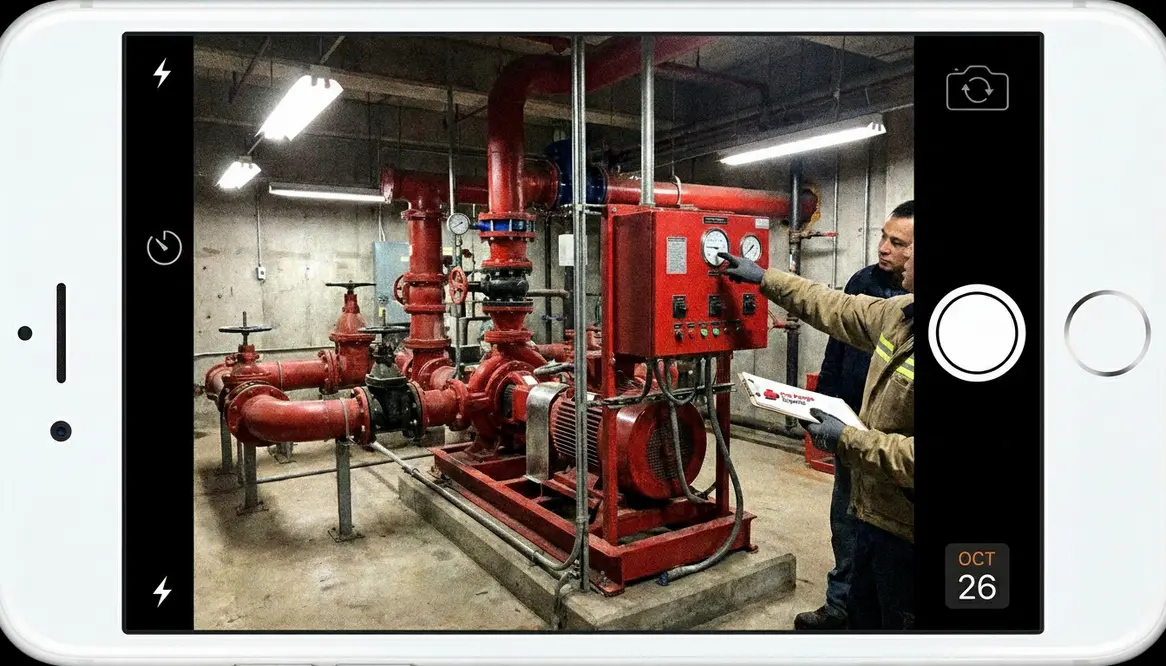
Fire Pump System Testing Requirements Guide
I have spent years around commercial and industrial facilities, and if there is one system that never gets a day off, it is the fire pump. It sits quietly until the moment everything depends on it. That is why fire pump system testing requirements are not just paperwork or routine tasks. They are the difference between a controlled emergency and a catastrophic failure. And yes, while testing may not sound thrilling, I promise it is far more exciting than explaining to a fire marshal why your system did not perform. Let us walk through what really matters, without putting you to sleep.
What are fire pump system testing requirements for commercial buildings?
In simple terms, these requirements define how often and how thoroughly a fire pump must be inspected, tested, and maintained. However, in large scale facilities, the stakes rise quickly. High rise towers, manufacturing plants, and distribution centers rely on consistent water pressure. Therefore, compliance with NFPA 25 is not optional. It is expected.
I always tell clients that testing is less about checking boxes and more about proving reliability. Weekly churn tests confirm the pump starts correctly. Monthly inspections ensure valves, gauges, and controllers behave as expected. Annual flow testing, on the other hand, is where the real truth comes out. That is when we measure performance under pressure, literally.
And yes, if you are imagining your fire pump as a superhero, the annual test is its final boss fight.
Core components that must be tested and verified
When I evaluate a system, I do not just look at the pump itself. Instead, I follow the entire chain of operation. Each component plays a role, and failure in one can compromise the whole system.
Mechanical elements
- Pump casing and impeller condition
- Bearings and lubrication levels
- Couplings and alignment
- Relief valves and circulation paths
Control and power systems
- Controller functionality and alarms
- Transfer switches for backup power
- Battery systems for diesel units
- Sensor accuracy and calibration
Meanwhile, I always pay attention to the small details. A slightly off gauge or a delayed start time can signal bigger issues. It is like hearing a strange noise in your car. You can ignore it, but that rarely ends well.
How often should fire pump testing happen in large facilities?
Frequency matters, and not just because the code says so. Regular testing builds confidence in the system. It also reveals wear before it turns into failure.
Typically, I follow this rhythm. Weekly churn tests verify automatic start. Monthly checks review system condition. Quarterly inspections go deeper into components. Then annually, we conduct a full flow test to confirm the pump meets its rated performance.
However, high demand environments such as data centers or industrial plants may require tighter schedules. After all, downtime in those spaces is not just inconvenient. It is expensive.
Therefore, aligning your testing schedule with your facility risk profile is just as important as meeting baseline standards. The strongest fire pump system testing requirements are the ones that match the way your building is actually used, not just how it is described on paper.
Fire pump system testing requirements and compliance pitfalls
Now here is where things get interesting. Many facilities think they are compliant until they are not. I have seen beautifully maintained buildings fail inspections because of overlooked details.
For example, missing documentation is a common issue. If it is not recorded, it did not happen in the eyes of an inspector. Similarly, improperly calibrated flow meters can lead to inaccurate results. That means your pump might appear healthy while quietly underperforming.
Common compliance gaps
- Incomplete or missing test records
- Outdated or missing NFPA 25 references in procedures
- Flow meters and gauges not calibrated on a defined schedule
- Controllers not tested for all start scenarios
Impact on your facility
- Failed inspections and corrective action orders
- Insurance questions after an incident
- Uncertainty about real pump performance
- Last minute rushes before audits or surveys
Another frequent misstep involves bypassing full flow testing due to inconvenience. I understand the hesitation. It can disrupt operations. Still, skipping it is like judging a marathon runner based on how they stretch.
If you want a deeper look into best practices, I recommend reviewing guidance from commercial fire pump testing experts. It provides practical insight tailored to large scale properties and helps translate written fire pump system testing requirements into everyday habits.
How I approach performance testing without disrupting operations
Balancing compliance with business continuity is an art. I have worked in facilities where shutting down even a small section creates ripple effects across operations. So, I plan carefully.
A practical testing playbook
- Schedule testing during low occupancy or low production windows.
- Notify facility, security, and operations teams well in advance.
- Use test headers and flow loops to avoid unnecessary building disruption.
- Stage tools, meters, and parts to keep tests efficient.
- Confirm communication paths so everyone knows when testing starts and ends.
First, I coordinate testing during low demand periods. Then, I ensure all stakeholders understand the schedule. Communication prevents surprises. Next, I use test headers and flow loops designed to simulate demand without wasting water or affecting building systems.
In addition, I always verify backup systems before testing begins. That way, if something unexpected happens, the facility remains protected.
And yes, I bring coffee. Because nothing says smooth testing day like a well caffeinated team.
Why consistent testing protects more than just property
It is easy to focus on equipment, but these systems ultimately protect people. Employees, tenants, and visitors all depend on a fire pump performing instantly and reliably.
Beyond equipment ratings
Consistent testing also protects your reputation. In commercial and industrial environments, trust matters. A failed inspection or incident can ripple through contracts, insurance rates, and regulatory standing.
So while testing may feel routine, its impact reaches far beyond the mechanical room. It supports safety, compliance, and operational confidence all at once. When you treat fire pump system testing requirements as part of your culture rather than as a checklist, people notice the difference long before an emergency ever occurs.
FAQ about fire pump system testing requirements
The most common questions tend to circle around schedules, responsibilities, and what happens when a test does not go as planned. The following quick answers keep your team on the same page and aligned with core fire pump system testing requirements.
Take control of your fire protection strategy
If there is one thing I have learned, it is this. Waiting for a problem is never a strategy. Strong fire pump performance starts with disciplined testing and expert oversight. So take a close look at your current approach. Tighten the gaps, document everything, and work with specialists who understand complex facilities. When the moment comes, your system should not hesitate. And neither should you.