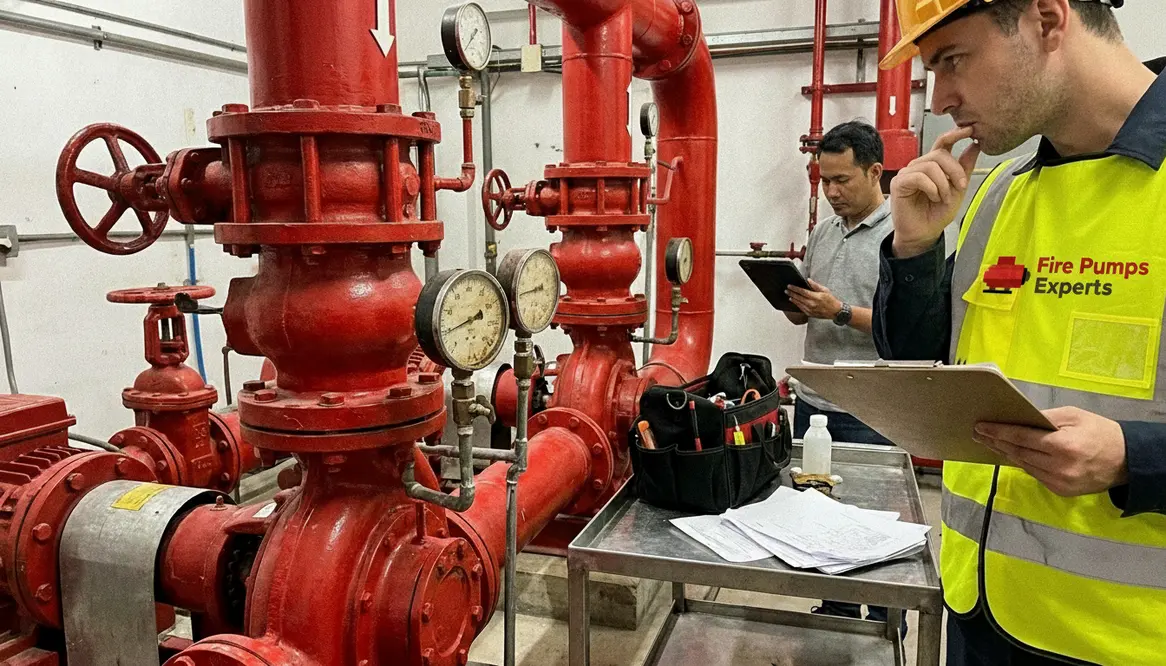
Fire Pump Testing Mistakes Across Global Standards
Why small test errors become expensive global problems, and how better alignment with fire pump standards keeps facilities ready when it counts.
“Fire Pump Testing Mistakes Across Global Standards” can look small on paper, yet they can turn into very expensive lessons in the real world. I have seen how fire pump standards shape safety for commercial and industrial facilities, as well as major property buildings, because one weak test can hide a real problem until the day the system must perform. That is when the quiet confidence disappears. In this article, I will walk through the common testing mistakes I keep seeing across regions, explain why they matter, and show how to avoid them before a pump test becomes a drama nobody invited.
Across regions, facilities rely on the same promise: when the alarm sounds, the fire pump will do its job without hesitation. That promise depends on disciplined testing, not optimistic guesswork. The patterns below come from watching tests in very different countries fail for the exact same reasons.
Why Fire Pump Tests Go Wrong
Bad tests usually begin with bad preparation. Teams often assume a pump test is only about turning equipment on and reading numbers. However, fire pump standards ask for more than a quick glance. They expect the full system to be checked in the right condition, with the right instruments, and at the right time.
One common mistake is ignoring the actual site load. For example, a pump may pass during a light test and still fail under true demand. That is like saying a car is fast because it rolled downhill once. Funny, maybe. Useful, not at all. In commercial and industrial facilities, this mistake can hide weak suction, poor power supply, or worn impellers. Therefore, I always recommend a test plan that matches the site, not just the habit.
Global Standard Mistakes I Keep Seeing
Different regions use different codes and testing habits, but the same errors show up again and again. The core problem is not the standard itself. It is the way people apply it.
Across international projects, fire pump standards are meant to pull everyone toward consistent performance. Instead, I often watch them turned into checkbox routines: minimal setup, quick run, hopeful signature. The weak points below repeat in every region where testing is treated as paperwork instead of risk control.
Common mistakes across fire pump standards
The same themes appear in jurisdictions that follow very different rulebooks. Labels change, but the underlying habits do not.
1. Using the wrong test instrument
Some teams use gauges that are not calibrated or not suited for the pressure range. As a result, the test looks fine while the real performance drifts out of range. I have seen this happen more than once, and it never ages well.
2. Skipping flow conditions
Many tests rely too heavily on churn results. However, fire pump performance must also show up under flow. Without that, the test tells half the story, which is a neat trick if your goal is confusion.
3. Poor recording of data
Some reports note the final result but leave out suction pressure, discharge pressure, or water source details. Then, when someone reviews the file months later, the report feels like a movie with the last ten minutes missing.
4. Testing at the wrong time
Seasonal water changes, utility issues, and maintenance delays can affect results. Therefore, the timing of the test matters as much as the test itself.
5. Ignoring local code differences
Global fire pump standards may share a goal, yet local rules still change how teams should test and document the system. That is why one template does not fit every site, even if the spreadsheet looks very confident.
The most reliable projects accept that national references, insurer requirements, and site-specific risks all sit on top of core fire pump standards. When testing plans ignore those layers, noncompliance usually shows up right when the facility wants a clean sign-off.
What I Check Before I Trust a Fire Pump Test
I like to think of this stage as the moment when adults in the room take over. Before I trust any result, I check the setup, the history, and the site conditions. Then I make sure the test reflects the real building risk.
| Checkpoint | Why It Matters |
|---|---|
| Calibration status | Keeps pressure and flow readings trustworthy |
| Suction condition | Shows whether the pump can draw enough water |
| Power supply stability | Confirms the pump can start and keep running |
| Test method | Matches the code and the site use case |
| Written record | Supports audits, reviews, and future repairs |
Next, I compare the live test data with past results. If the numbers drift, I do not shrug and hope for the best. Instead, I look for the cause. Sometimes it is wear. Sometimes it is air in the line. Sometimes it is a simple setup issue that someone overlooked while rushing to finish before lunch. We have all seen that kind of heroics, and they usually end in a service call.
This is also the stage where disciplined use of fire pump standards pays off. When records are structured to match the standard, patterns stand out faster: declining flow at rated pressure, repeat electrical issues under load, chronic suction limitations tied to seasonal source changes.
How I Align Tests With Fire Pump Standards
Fire pump standards only help when people use them with care. So, I focus on three things: the test purpose, the building type, and the reporting method. For commercial and industrial facilities, the stakes rise fast because downtime, asset loss, and life safety all sit in the same room.
Matching the test to the system
First, I match the test to the system design. A fire pump in a high rise building does not behave like one in a warehouse with a different water source and load pattern. Then, I confirm that the test covers the full performance range, not just the easy part. Finally, I make sure the report speaks clearly enough for the next engineer, the facility manager, and the compliance reviewer who has seen one too many messy binders.
Using standards as a planning tool, not a script
Well-applied fire pump standards shape everything from how test headers are laid out to how long the pump should run at each point. I treat them as a planning tool, not a rigid script. The core requirements stay intact, but the sequence and emphasis adjust to the building’s risk profile and the realities of the water and power supply.
If you want a practical reference for commercial and industrial fire pump testing support, I recommend reviewing FirePumps.org fire pump testing and standards guidance at https://firepumps.org for more context on system care and code aware planning.
Where global practice falls short
The most surprising thing across projects is not how different countries interpret fire pump standards, but how similarly people cut corners. Instruments that never see a calibration lab, annual tests that quietly skip flow measurements, and reports that say “pass” while hiding marginal performance are not regional quirks. They are shared habits.
The fix is rarely dramatic. It is a deliberate decision to treat the standards as a minimum, not a ceiling: better instruments, more honest data, and test plans that reflect the building’s worst day, not its easiest one.
Turning Standards Into Reliable Practice
When tests are designed around the realities of the site and the intent of fire pump standards, several things happen at once: audit questions shrink, maintenance becomes targeted instead of reactive, and the odds of an ugly surprise on a real fire drop sharply.
Across global projects, the most resilient facilities use the same simple pattern: consistent instrumentation, clear reference to the relevant fire pump standards, and written procedures that leave no room for casual shortcuts. The details change with each jurisdiction, but the discipline does not.
Conclusion
I take fire pump testing seriously because the smallest mistake can become the loudest problem later. If your facility needs a sharper review of testing methods, code alignment, or report quality, now is the time to act. I urge you to audit your current process, compare it with the right standards, and close the gaps before they cost you time, money, or safety. A strong test today keeps tomorrow calm, and calm is always a good investment.