Global Fire Pump Maintenance Requirements Guide
Global Fire Pump Maintenance Requirements Compared
I have seen a lot of fire pump rooms in my time, and I can tell you this: Global maintenance is not a nice to have. It is the quiet hero that keeps commercial towers, industrial plants, and major properties ready when pressure drops and trouble shows up uninvited. In this article, I compare fire pump maintenance requirements across regions and show what building owners and facility teams need to watch. Because when a fire pump fails, nobody wants to hear, “Well, that was awkward.”
What Global fire pump maintenance covers
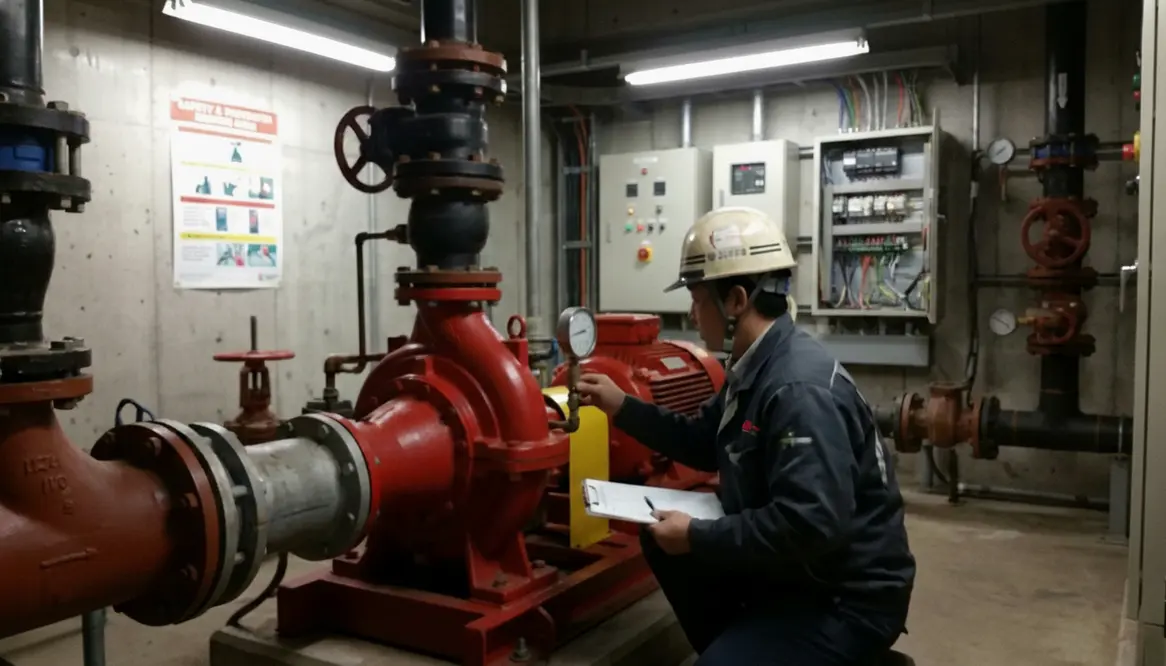
I treat fire pump maintenance as a full system check, not a quick glance and a pat on the panel. First, I look at the pump, motor or engine, controller, suction line, discharge line, valves, power supply, and alarms. Then I confirm the pump can start, run, and deliver the right pressure under real conditions. That matters because a commercial high rise and a heavy industrial site do not forgive weak systems.
Across most regions, the core job stays the same. I inspect the unit, test the system, record the results, and fix problems fast. However, the test schedule, reporting rules, and acceptance levels can change by country. So, while the goal stays simple, the paperwork sometimes behaves like it wants a starring role.
How global maintenance standards compare by region
Different regions follow different codes, yet they often aim at the same outcome: reliable fire protection for large facilities. Here is a simple comparison.
North America
I often see strict inspection, testing, and record keeping rules. Weekly or monthly checks may apply, along with annual flow testing and full system review. NFPA based practices shape much of the work, especially for commercial and industrial properties.
Europe
Many sites follow EN based standards and local fire authority rules. The focus usually falls on routine testing, trained service teams, and clear documentation. In some places, I must also confirm that local service intervals match the building risk level.
Middle East
Large properties often use international codes with local civil defense requirements. Because many sites operate in hot, dusty conditions, I pay extra attention to pump room heat, corrosion, and control panel health. The desert can be rude to equipment. It has no manners at all.
Asia Pacific
Maintenance expectations vary widely, but most major cities require regular testing and certified inspection records. In dense commercial zones, I often find extra focus on pump reliability, backup power, and water supply stability.
What stays consistent
- Routine inspection of the pump and controller
- Testing of automatic and manual start functions
- Flow and pressure checks
- Battery or power source review
- Clear service logs for compliance
What I check during a fire pump inspection
When I inspect a fire pump, I start with the basics, then move deeper. First, I verify the room conditions. The space must stay clean, dry, and easy to access. Next, I check the suction source, isolation valves, gauges, pressure settings, and controller indicators. After that, I test the pump under operating conditions. A pump that only looks ready is about as useful as a superhero in street clothes.
I also listen for trouble. Strange noise, vibration, leaks, overheating, and slow starts all point to future failure. In addition, I review the logbook to spot repeat issues. If a building team keeps topping up seals or resetting alarms, I know the system is trying to send a message.
Dual view of common maintenance duties
Daily to weekly: I check pressure readings, room condition, and controller status.
Monthly to annual: I test starts, run flow checks, inspect valves, and confirm the full fire protection setup still performs as designed.
Why commercial and industrial buildings need tighter routines
For commercial towers, warehouses, factories, hospitals, and large mixed use properties, fire pump failure can create serious risk fast. These buildings often have higher occupant loads, more complex water demand, and longer emergency response time. So, I do not treat them like small buildings with big hopes.
Industrial sites need even more attention when they handle heat, chemicals, dust, or heavy machinery. Those conditions can wear down components faster. As a result, I often recommend shorter service intervals, stronger documentation, and tighter follow up after repairs. Moreover, backup power testing matters more where downtime can stop production and raise risk at the same time.
If you want a deeper code based view, I suggest reviewing commercial fire pump maintenance guidance for large facilities. It helps align service plans with real world building demands and keeps Global maintenance aligned with actual system risk.
How I build a strong maintenance plan
I always start with the code, then I build around the building. That means I match the service plan to local rules, property type, system age, and operating conditions. A modern office tower in a mild climate will not need the same touch as a coastal industrial plant fighting salt air every day.
Next, I set a clear calendar for inspection, testing, and repairs. I also make sure the team knows who signs off, who logs the work, and who responds when a fault appears. Finally, I review the service history at least once a year. That way, I can catch patterns before they become expensive drama. And yes, pumps can cause drama. They just do it in silence, which is somehow worse. Solid Global maintenance plans keep that drama off the main stage.
For larger portfolios, I align each site’s schedule so Global maintenance efforts stay consistent across regions while still respecting local code. That balance is where reliability grows and surprises shrink.
FAQs on fire pump maintenance
Conclusion
I always tell property teams this: fire pump maintenance is not just a box to check, it is the backbone of readiness. If you manage a commercial or industrial building, I urge you to compare your current routine with local and global standards, then close any gaps now. Review your records, schedule the next test, and make sure your system can perform when it matters most. Quiet confidence starts with solid maintenance, and solid maintenance starts today.