Global Fire Pump Tank Requirements Compared Guide
Global Fire Pump Tank Requirements Compared: What I Look For Across Major Properties
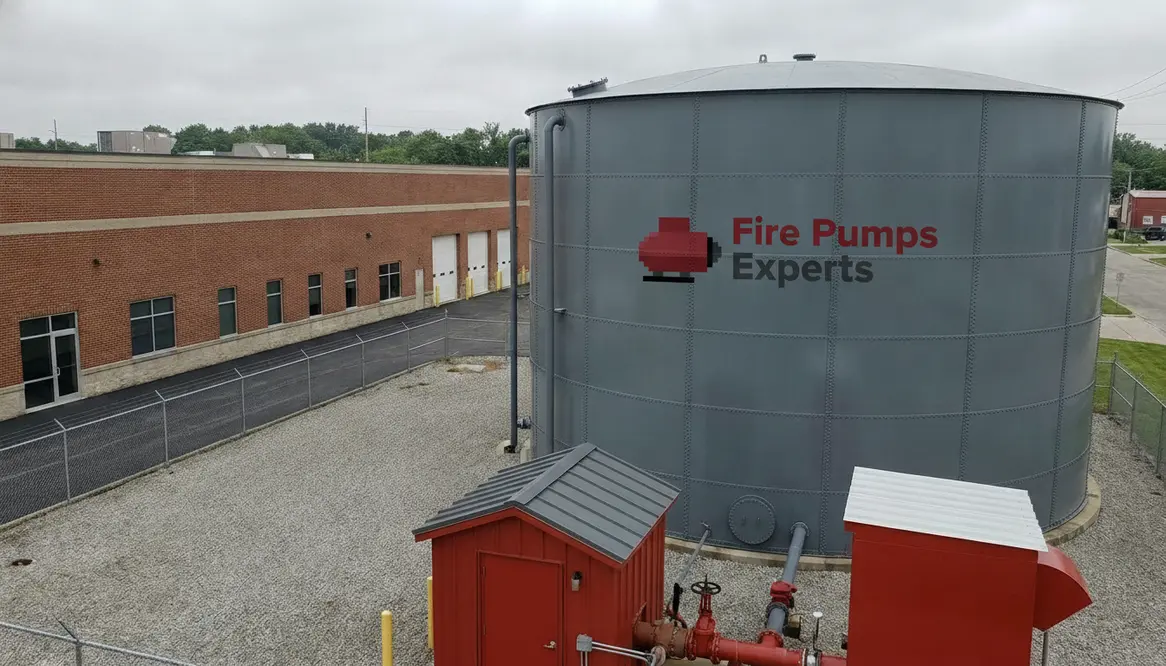
When I compare fire pump tank requirements across commercial and industrial sites, I start with one simple truth: water storage is not glamorous, but it is the part that saves the day when everything else decides to fail. The Global tank often becomes the backbone of a fire protection setup for major properties, especially where the municipal supply cannot be trusted to act like a responsible adult. From warehouses to high rise buildings, I look at how tank size, material, refill speed, and code alignment all work together. In this article, I break down the practical differences, so you can make a smarter choice without needing a smoke alarm degree.
How I Compare Fire Pump Tank Requirements by Building Type
Every site has its own risk profile, and that changes the tank requirement fast. For a large manufacturing plant, I usually expect a bigger reserve because the hazard load is higher and the demand can spike hard. In contrast, a commercial office building may need less stored water, but it still needs reliable supply and proper pressure support. Therefore, I never treat all sites the same.
In my view, the real comparison comes down to three questions. How long must the tank support the fire pump? What flow rate does the system need? And how much backup capacity does the site need if the city line drops pressure at the worst possible moment, which, of course, is exactly when it tends to happen.
Global Tank Sizing And Code Basics
Global tank sizing depends on the fire pump demand, the sprinkler system design, and the local code rules that govern the property. I always check NFPA based requirements, because code sets the floor, not the ceiling. That matters. A tank that barely meets the minimum may pass paper review, but it can still leave a major property exposed during a real event.
Here is the simple way I look at it:
- The tank must hold enough water for the fire pump run time
- The tank must support the expected system demand
- The tank must allow safe refill or secondary supply planning
- The tank must fit the site layout without creating access problems
Also, I pay attention to surge demand. Some systems look fine on paper, then the actual flow test shows a different story. That is where a solid tank plan earns its keep.
Which Fire Pump Tank Material Works Best?
Tank material matters more than people think. Steel tanks offer strength and long service life, so I often see them used on larger industrial facilities. However, they may need more corrosion control. Fiberglass tanks resist corrosion better, and that can make them a smart choice in harsh environments. Poly tanks can also work in certain settings, though they are not always the best fit for very large commercial systems.
I compare material based on site conditions, maintenance capacity, and budget. If a facility can maintain coatings and inspections, steel often makes sense. If the environment is rough and moisture is a constant guest, fiberglass may save a lot of trouble. As I see it, the best tank is not the fanciest one. It is the one that stays ready without drama. And frankly, drama belongs in movies, not fire protection rooms.
What I Check Before I Approve A Tank Plan
Performance Checks
On one side, I look at performance. The Global tank has to carry its weight when demand spikes, not just look impressive in a spec sheet.
- Water volume and required duration
- Pressure support and pump compatibility
- Refill time and source reliability
- Code compliance and inspection readiness
Practical Fit Checks
On the other side, I look at practical fit. A tank that clashes with the site layout will cause trouble no matter how good the hydraulic numbers look.
- Available space and clearances
- Access for maintenance and testing
- Climate, frost protection, and insulation
- Installation cost and long term upkeep
This dual view helps me avoid bad surprises. A neat layout means little if the tank cannot meet fire demand. Likewise, a strong design fails if the site cannot support upkeep.
How I Judge Compliance Across Global Regions
Different regions may follow different code paths, and that changes tank requirements in real ways. Some jurisdictions ask for more reserve time. Others focus harder on pressure control or tank separation from the main structure. Because of that, I never assume one standard fits every project.
For major commercial and industrial properties, I check local adoption of fire codes, water authority limits, and engineering sign off needs. I also review whether the site needs a dedicated fire pump tank or whether the water supply can handle the demand with a backup arrangement. If you want a reliable starting point, I suggest reviewing this commercial fire pump tank resource from firepumps.org for facilities planning and system support.
What I Tell Facility Managers Before They Buy
I tell facility managers to think beyond purchase price. A cheap tank can turn expensive fast if it needs constant repair or fails inspection. Instead, I advise them to look at lifecycle cost, inspection access, refill reliability, and future expansion needs. If the site grows, the fire protection system may need more capacity later. Therefore, it helps to plan ahead now instead of paying for a redo later. Nobody enjoys paying twice. Well, unless they collect headaches as a hobby.
Also, I recommend coordination between the tank, pump, and sprinkler designer from the start. When those parts work together, the system feels calm and solid. That is the goal. A well planned Global tank, matched to the pump and distribution system, becomes the quiet partner that keeps everything running when it matters most.
FAQ
Conclusion
If I had to sum it up, I would say this: fire pump tank requirements are not one size fits all, especially for commercial and industrial properties. The right choice depends on code, site risk, tank material, and system demand. A carefully planned Global tank, backed by a realistic view of how your site actually operates, gives your system the capacity and resilience it needs.
So, if you are planning a new build or upgrading an older facility, I recommend reviewing your tank strategy now. Take the next step, align your pump system, and build for safety that lasts. Getting the storage right today is a lot easier than explaining tomorrow why the water ran out first.